How To Spot A Broken Cat Tail

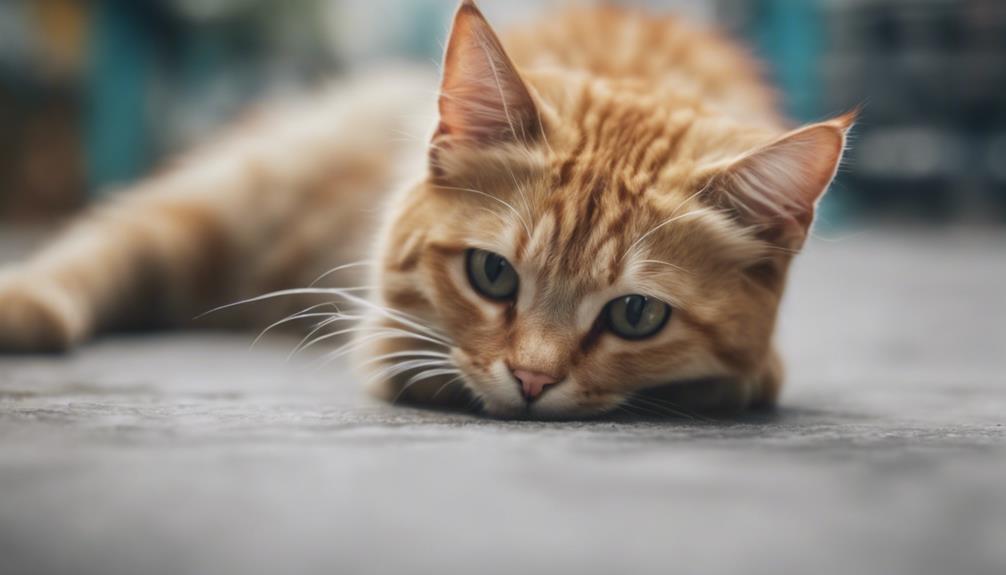
To spot a broken cat tail, look for a limp or immobile tail, signs of pain when touched, and issues with the back legs. Behavioral changes like aggression or hiding may indicate a problem. Physical symptoms include swelling, bruising, and restricted tail movement. Immediate veterinary attention is essential to prevent complications. Understanding the causes and signs can aid in early detection and treatment. Additional details about healing, prevention, and tail anatomy can provide further insight into caring for your cat's tail health.
Common Causes of Cat Tail Injuries

Cat tail injuries in cats are frequently caused by a range of common accidents and traumas. These include being caught in a door or window, falling from a height, being stepped on, and fights with other animals.
Outdoor cats are particularly vulnerable to such injuries, emphasizing the importance of prevention. Pet owners must be vigilant and ready to address any tail injury promptly to prevent further complications.
Signs of a Broken Cat Tail
Indications of a fractured feline tail commonly include a limp or immobile appendage. Cats may show signs of pain when the tail is touched if it's broken. Issues like limping or balance problems in the back legs can also signal a broken tail.
Loss of bladder or bowel control may arise. If any of these signs are present, immediate veterinary attention is essential due to Common Cat Tail Injuries.
Behavioral Changes to Watch For

When observing a cat for signs of a broken tail, it is important to pay attention to behavioral changes that may indicate potential injury. Look for signs of aggression, vocal distress, hiding, or avoidance of interaction. Cats with broken tails may exhibit unusual sensitivity or pain when touched.
Changes in litter box habits and observing tail posture, like it hanging low or being tucked between hind legs, can help detect a potential break.
Physical Symptoms of Tail Injury
When a cat's tail is injured, physical symptoms such as swelling and bruising can be observed. Restricted movement of the tail may also indicate a possible injury.
These signs should prompt immediate veterinary attention to prevent further complications.
Swelling and Bruising
Swelling and bruising in the tail area of a cat can serve as visible indicators of potential physical trauma. These signs, such as inflammation and discoloration, may suggest a broken cat tail.
Swelling could be due to internal bleeding or tissue damage, while bruising might indicate an impact injury or internal trauma. Immediate veterinary assessment is essential upon observing swelling and bruising to address any underlying issues promptly.
Restricted Movement
An indicator of a potential broken cat tail is the presence of restricted movement, observed when the tail hangs limp or is tucked between the hind legs. Cats with tail injuries may show discomfort or pain, displaying minimal tail movement or reluctance to wag.
Physical symptoms include a stiff or immobile tail that may drag on the ground, with the cat avoiding using it for balance or support.
Importance of Veterinary Attention

Veterinary attention is paramount when dealing with a broken cat tail as it enables accurate diagnosis and appropriate treatment. Professional care from a vet can alleviate pain and discomfort for the injured feline.
Timely intervention by a veterinarian is essential for ensuring a speedy recovery and proper healing process.
Signs of Injury
Upon observing a limp or immobile tail in a cat, it is important to seek timely veterinary care to address the potential signs of a broken tail and safeguard the well-being of the feline.
Swelling, deformity, pain upon touch, difficulty urinating or defecating, and behavioral changes like aggression or vocal distress are key indicators of a possible tail injury that should prompt immediate veterinary attention.
Treatment Options
Seeking prompt veterinary attention is essential when considering treatment options for a broken cat tail to guarantee the feline's well-being and swift recovery.
A vet might prescribe pain relief medication to manage discomfort. In severe cases, the tail may need surgical intervention or even amputation to prevent complications.
Proper diagnosis and treatment are vital, with options ranging from medication to surgical procedures based on the injury's severity.
Treatment Options for Broken Tails
Rest is essential for the natural healing of less severe tail injuries in cats. Treatment options for broken tails include:
- Pain relief medication to manage discomfort.
- Surgery for nerve damage affecting bladder or bowel function.
- Medication, stool softeners, and enemas for recovery.
- Amputation in severe cases to prevent further complications.
Healing Process for Cat Tail Injuries

The healing process for cat tail injuries is crucial in ensuring proper recovery and functionality for the feline. Cats may show signs of a broken tail by reacting to pain or discomfort.
Healing time varies based on the location and severity of the injury. Minor fractures may heal within weeks, while severe injuries near the base could require surgery or amputation, extending the recovery period up to six months.
Consulting a vet is essential for accurate healing duration estimates.
Preventing Future Tail Injuries
How can cat owners proactively safeguard their feline companions from potential tail injuries? Here are some tips to help prevent future tail injuries:
- Regularly inspect your cat's environment for hazards.
- Provide appropriate toys and scratching posts.
- Avoid situations where the cat's tail could get caught.
- Keep the cat's tail clean and groomed.
Understanding Cat Tail Anatomy

Cat tail anatomy is a complex structure consisting of vertebrae bones, muscles, cartilage, and nerves essential for a cat's movement and communication. Understanding tail anatomy helps in recognizing injuries and maintaining balance.
The tail's role in communication is important, aiding in expressing emotions and social interactions. This anatomy plays a significant role in a cat's agility, hunting skills, and overall well-being.
Can Storing Homemade Cat Food Improperly Cause A Cat to Injure Its Tail?
Improper storing homemade cat food steps can lead to potential harm for your feline friend. If the food is not stored correctly, it could spoil and lead to digestive issues or illness for your cat. This in turn could cause discomfort, leading to potential injury, like a twisted or strained tail.
Cat Tail Communication
Indispensable for feline communication with humans and their counterparts, cat tails serve as an essential tool for expressing emotions and intentions.
- A cat's tail can sometimes puff up when they are scared or agitated.
- Notice something wrong if your furry friend holds their tail differently than usual.
- Pay attention to the tail position when your cat is interacting with other animals or people.
- Cats use their tail along with their back legs to communicate complex messages.