How To Tell If A Cat Is In Heat


To tell if a cat is in heat, observe behavioral signs like restlessness, seeking a mate, increased affection, rubbing against objects, and excessive grooming. Look for physical indicators such as swelling and reddening of the genital area, an enlarged and moist vulva, the 'lordosis' posture, male cat interest, and released pheromones. Pay attention to vocalization patterns like more frequent meowing, distressed vocalizations, intense meowing, and louder cries. Restlessness behavior shows persistent discomfort, often with vocalizing. Affectionate gestures include rubbing and seeking attention. Recognizing these signs helps understand your cat's heat cycle stage. More insights on heat-related behaviors await.
Behavioral Signs of Heat in Cats
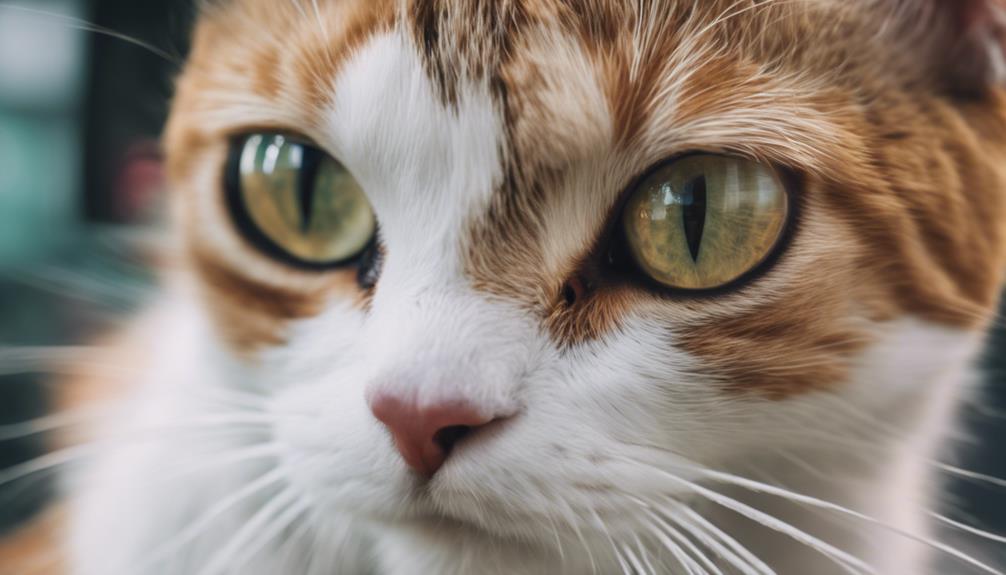
Frequently, female cats in heat display behavioral changes associated with their heat cycle, aiding owners in recognizing this phase. These changes include:
- Restlessness
- Seeking a mate
- Increased affection
- Rubbing against objects
- Excessive grooming
- Focusing on the genital area
- Assuming a mating position with head down and rear up
- Loss of appetite
- Increased urine spraying
- Seeking more affection
Understanding these behaviors can help owners manage their cat's reproductive health.
Physical Indicators of Cat Heat
Physical indicators of cat heat are essential in identifying when a cat is in this reproductive state. Swelling and reddening of the genital area, along with an enlarged and moist vulva, are common signs.
Additionally, observing the 'lordosis' posture and male cat interest due to pheromones released are key physical cues to look out for.
Behavior Changes
During heat cycles, a cat's behavior may noticeably shift, displaying restlessness and an increased need for affection.
- Increased restlessness and pacing.
- Seeking more attention and rubbing against objects.
- Spending more time outside to find a mate.
- Excessive grooming, particularly focusing on the genital area.
Vocalization Increase
When a cat is in heat, one prominent indicator of this physiological state is the notable increase in vocalization. This is characterized by distressed wails, moans, or intense meows.
This heightened vocal activity can disrupt sleep patterns and signifies the cat's readiness to mate. Monitoring changes in vocalization patterns can help determine if a cat is in heat, especially when accompanied by restlessness and increased affection display.
Vocalization Patterns in Heat

Cats in heat tend to increase their meowing frequency, producing louder and more persistent cries, particularly at night. This heightened vocalization can be distressing for both the cat and its owner, potentially disrupting sleep patterns.
It is important to pay attention to these vocal cues as they are a key indicator of a cat's heat cycle.
Meowing Frequency Increases
An increase in meowing frequency, characterized by distressed or intense vocalizations, is a common indicator of a cat being in heat.
- Meowing more frequently can disrupt normal routines.
- Distressed vocalizations may indicate discomfort.
- Intense meowing signals the cat's reproductive phase.
- Recognizing these vocal cues can help understand the cat's estrus cycle.
Louder, More Persistent Cries
Characterized by heightened intensity and increased volume, the vocalizations of a cat in heat become louder and more persistent, signaling its reproductive phase.
During this time, the cat may wail or moan more frequently, sounding distressed. These cries can disrupt sleep patterns and indicate breeding readiness.
Observing changes in vocalization patterns is essential in determining if a cat is in heat, as increased vocalization is a common behavior during heat cycles.
Restlessness Behavior in Felines
Restlessness behavior in felines during their heat cycles manifests as a persistent inability to find comfort or relax.
- Cats in heat may exhibit restlessness often coupled with calling or vocalizing.
- Changes in behavior, such as restlessness, are commonly linked to the heat cycle in female cats.
- Restlessness is a clear indicator that a cat is experiencing the effects of being in heat.
- Observing restlessness behavior in cats can help determine their current heat cycle stage.
Affectionate Gestures in Heat

During their heat cycles, cats often exhibit increased affection through gestures like rubbing against furniture and doorways. This affectionate behavior is a way for cats to spread their scent and communicate their reproductive status. Changes in scent during the heat cycle can lead to cats seeking more attention and affection. Rubbing against objects is common as cats try to mark their territory, showing their readiness to mate.
| Affectionate Behavior | Increased Affection |
|---|---|
| Rubbing Against Objects | Changes in Scent |
| Seeking Attention | Marking Territory |
| Ready to Mate | Communicating Status |
Grooming Habits During Heat
Increased grooming in the genital area is a common behavior exhibited by cats during their heat cycles.
- Cats may groom excessively due to discomfort.
- Swelling in the genital area can lead to increased grooming.
- Pay attention to changes in your cat's grooming habits.
- Increased grooming overall is a sign of a cat in heat.
Desire for Outdoor Exploration

Cats experiencing heat may display a heightened urge to venture outdoors in search of a potential mate.
This desire for outdoor exploration can lead to increased restlessness, territorial marking, and vocalization.
It is crucial for cat owners to monitor their feline companions closely during this period to guarantee their safety and prevent unwanted pregnancies.
Increased Territorial Marking
The heightened drive for outdoor exploration and territorial marking in felines during their heat cycle is a prominent indicator of their mating instincts.
- Cats may spray urine to attract potential mates.
- The urge to escape and seek a mate intensifies.
- Increased territorial marking communicates their availability.
- Cats may mark outside the litter box, reflecting hormonal changes.
Restlessness and Vocalization
During their heat cycle, felines often exhibit a restless demeanor accompanied by heightened vocalization, reflecting a strong inclination towards outdoor exploration.
Restlessness in cats in heat is linked to their mating instincts, prompting a desire to roam outdoors. This behavior, intensified by hormonal changes, manifests as a need for movement and vocal expressions.
Recognizing these signs can help cat owners understand their pet's heat cycle and provide appropriate care.
Tail Positioning Clues for Heat
When a cat is in heat, their tail positioning serves as a significant indicator of their readiness to mate.
- Cats may hold their tail to one side or lift it up in a mating position.
- Tail positioning is a common signal of heat readiness.
- It helps determine if a cat is at the peak of their heat cycle.
- Twitching or quivering of the tail may increase during heat.
Heat-Related Mating Behaviors

Female cats in heat typically display a range of mating behaviors indicative of their reproductive readiness. These behaviors include:
- Rubbing against objects
- Increased affection
- Spending more time outside seeking a mate
- Excessive grooming focused on the genital area
- Assuming a mating position with head down and rear up
- Increased spraying of urine to attract males
Understanding these behaviors can help identify when a female cat is in heat.
Does a Cat in Heat Display Different Signs if Mating was Successful?
When a cat in heat displays signs of successful cat mating, you may notice changes in her behavior. While it is difficult to determine if mating was successful based solely on her behavior, signs like decreased agitation and a more relaxed demeanor may indicate a successful mating.
Understanding Cat Heat Cycles
Cats undergo hormonal changes known as estrus in their heat cycles, which prepare them for breeding.
The first heat cycle usually begins between 6 to 10 months old.
Cats can cycle every 14 to 21 days until pregnancy or spaying.
Cat heat cycles are influenced by factors like daylight length.
Understanding these cycles is essential for deciding on spaying your cat.