Natural Home Remedies For Cat Constipation


To help alleviate cat constipation naturally, focus on hydration, diet, exercise, and fiber-rich foods. Make sure your cat stays hydrated with plain water and consider water fountains or flavored water. Wet food, pumpkin, oats, and chia seeds can aid in regulating bowel movements. Encourage exercise through play sessions to stimulate colon muscles. Additionally, ginger, licorice, aloe vera juice, and pumpkin offer gentle relief and promote gastrointestinal health. Consult a vet before making dietary changes or using natural remedies. These remedies can provide effective relief and improve your cat's comfort.
Hydration for Cat Constipation
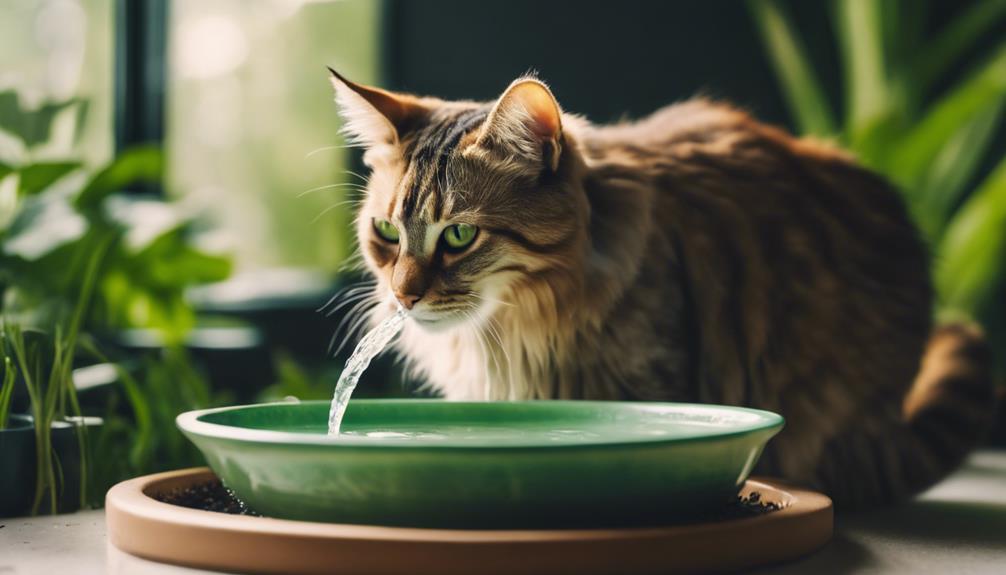
To prevent constipation in cats, maintaining proper hydration is essential as it helps to guarantee the stools remain soft and easy to pass.
Dehydration can exacerbate constipation, making it important to provide plain water and multiple water sources to make sure cats stay hydrated.
Using water fountains or flavoring water can entice cats to drink more, contributing to their overall health and alleviating constipation risks.
Dietary Changes for Constipated Cats
Maintaining proper hydration is essential for preventing cat constipation, and alongside hydration, dietary changes play a significant role in managing and alleviating constipation issues in cats.
Switching to a wet food diet can increase moisture intake, while adding fiber-rich foods like pumpkin puree aids in regulating bowel movements.
Consult with a veterinarian before making changes, considering options like limited ingredient diets or prescription diets to address cat constipation effectively.
Exercise to Relieve Cat Constipation
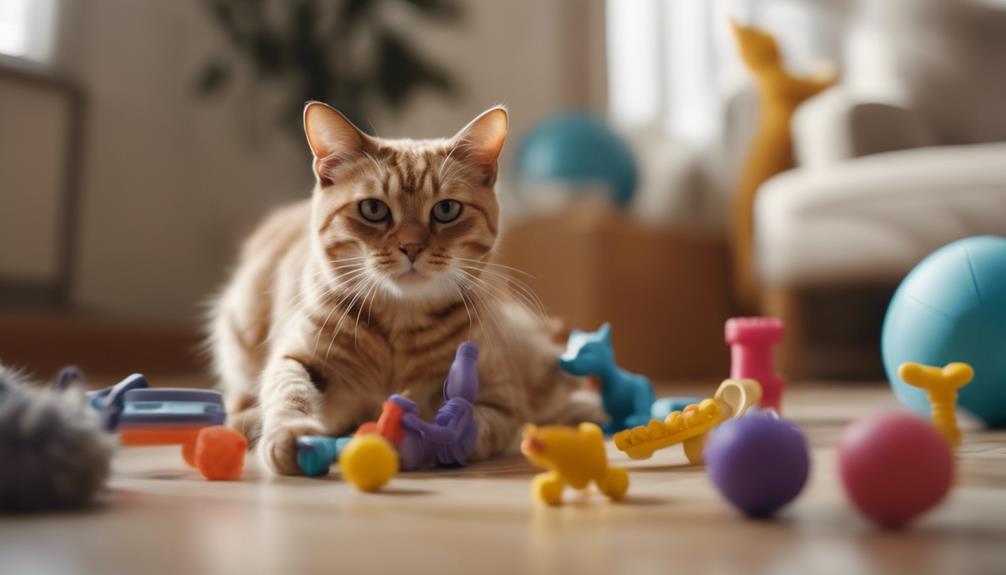
Regular exercise is essential in aiding cats with constipation, as it helps stimulate their colon muscles. Engaging your cat in play sessions can promote bowel movements and improve digestive health by encouraging movement.
Providing toys and interactive playtime can support overall colon function, reducing the risk of constipation and ensuring peak bowel health.
Stretching for Cats
Incorporating stretching exercises into your cat's daily routine can greatly aid in relieving constipation by improving flexibility, mobility, and overall well-being. These exercises stimulate blood flow, aid digestion, reduce muscle tension, and promote relaxation.
Cat yoga poses, like the 'cat-cow stretch,' specifically target abdominal muscles, enhancing digestion. Regular stretching sessions can prevent constipation and help maintain your cat's health in the long run.
Playful Activity Ideas
Engaging your cat in playful activities is an effective way to promote physical movement and alleviate constipation. Interactive play sessions with toys like feather wands or laser pointers can stimulate exercise.
Introducing climbing structures such as cat trees encourages jumping and climbing, aiding in bowel movements. Regular play sessions with varied toys help improve colon muscle function, supporting overall physical activity and reducing constipation in cats.
Fiber-Rich Foods for Cats
Foods rich in fiber, such as pumpkin, oats, and chia seeds, play an important role in regulating bowel movements and promoting digestive health in cats.
Including fiber-rich ingredients aids in adding bulk to stool.
Fiber helps cats pass feces more easily.
Improving digestive health can prevent constipation.
Fiber promotes gut motility, easing discomfort.
Pumpkin for Cat Bowel Movements

Fiber-rich pumpkin serves as an essential natural remedy to regulate cat bowel movements, aiding in adding bulk to the stool and facilitating easier passage, thereby helping alleviate constipation.
Plain, canned, and pureed pumpkin is safe for most cats and can be easily mixed into their regular food.
It's important to use pumpkin without any additives or spices for maximum effectiveness in promoting healthy bowel movements for your feline friend.
Ginger and Licorice Remedies
Ginger and licorice are natural remedies for cat constipation due to their beneficial properties.
Ginger's natural laxative effects can help stimulate bowel movements, while licorice compounds support digestive health.
Incorporating these ingredients in controlled amounts can aid in maintaining your cat's gastrointestinal function.
Ginger Tea Benefits
With its natural anti-inflammatory properties and mild laxative effects, licorice complements ginger in providing gentle relief for cats suffering from constipation.
- Ginger aids in soothing the digestive system.
- Licorice helps promote regular bowel movements.
- Ginger tea can be a natural remedy for constipation.
- Licorice root supports gastrointestinal health.
Licorice Root Properties
Incorporating licorice root into a cat's diet can provide natural relief for mild cases of constipation, thanks to its glycyrrhizin content, which acts as a gentle laxative. It can help promote bowel movements in cats. Before using licorice root or ginger as remedies for cat constipation, it is crucial to consult with a veterinarian to guarantee safety and determine the appropriate dosage.
| Licorice Root | Ginger |
|---|---|
| Glycyrrhizin content acts as a gentle laxative | Soothes the digestive system |
| Promotes bowel movements in cats | Helps with occasional constipation |
| Natural remedy for mild cases of cat constipation | Should consult a veterinarian before use |
Are the same natural remedies effective for both cat constipation and cat vomiting?
Yes, some natural remedies for cat vomiting can also help with cat constipation. Ingredients like pumpkin, probiotics, and slippery elm can aid in regulating the digestive system and alleviating both issues. However, it’s important to consult a veterinarian for specific guidance on treating your cat’s ailments.
Aloe Vera Juice Benefits
Aloe vera juice, known for its natural laxative properties, can effectively assist in alleviating cat constipation by promoting regular bowel movements.
- Aloe vera juice aids in promoting bowel movements.
- It softens stools for easier passage.
- Improves digestion to alleviate constipation.
- Consult your veterinarian before using to guarantee healthy bowel function.