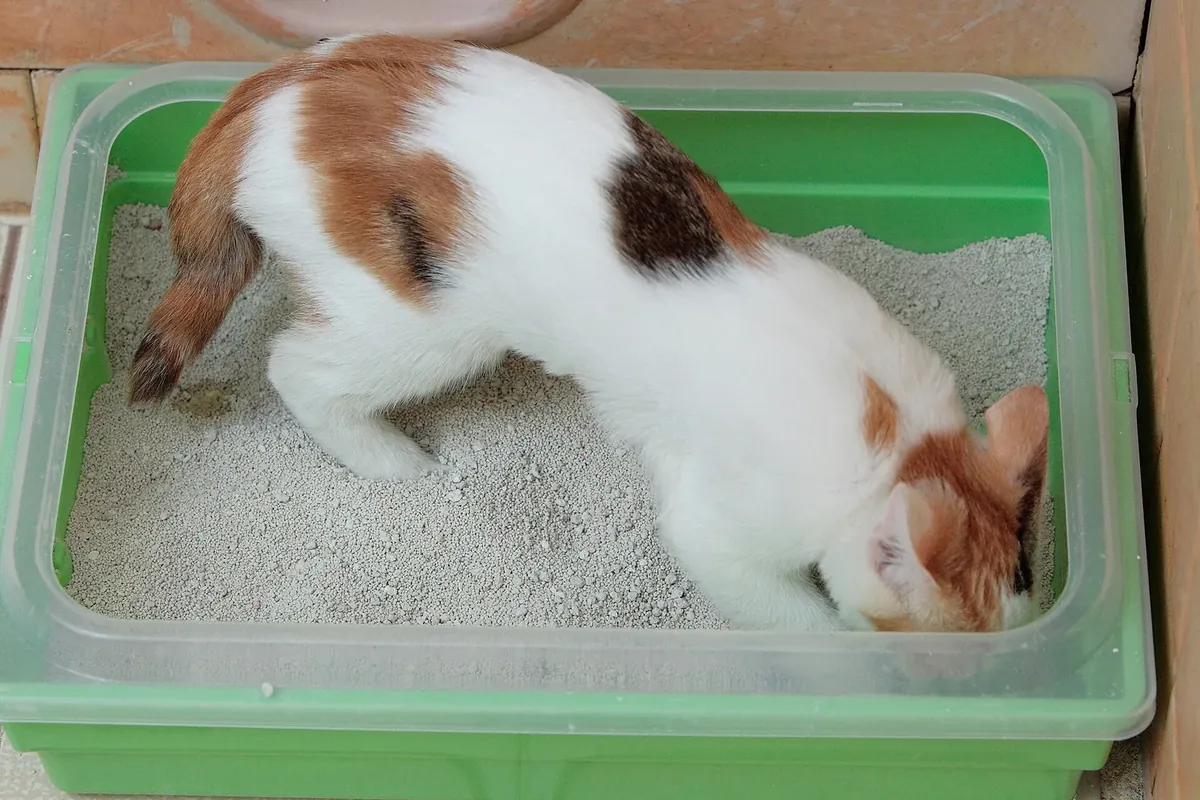
Litter Box Setup 101: Boxes, Litter, Placement, and Cleaning
Set up a litter box system cats are more likely to use: right size, right location, enough boxes, and simple cleaning habits.
Category
Litter box setup, cleaning, cat-proofing, home zones, and apartment-friendly ideas.
Litter is the one part of cat care where the numbers do most of the work. International Cat Care's guidance is refreshingly specific, and almost every "my cat is going outside the box" problem traces back to one of these rules being broken outdoors of the cat's control — a tray that is too small, too dirty, too public, or too few.
| The rule | The number | Why it matters |
|---|---|---|
| How many trays | One per cat, plus at least one extra — spread around the home, not lined up together | Clustered trays can be guarded or blocked by one cat, which effectively reduces the count |
| Tray size | About 1.5× your cat's length from nose to the base of the tail | Most shop-bought trays are smaller than this, especially for larger cats |
| Litter depth | Roughly 3 cm | Cats prefer to dig and cover; too deep or too shallow both put them off |
| Scooping | At least twice a day | Cats avoid a tray that is already soiled |
| Full change | Every 2-4 weeks for clumping litter, weekly for non-clumping | More often if the cat has a medical or stress-related reason to use the tray more |
Shape and position: rectangular trays beat corner, oval and triangle shapes because they give the cat room to turn around. Put the tray somewhere quiet, away from food and water, busy walkways, cat flaps and full-length glass — a cat that feels exposed will simply choose a different spot, and that spot is usually your floor.
Cleaning products matter. Some disinfectants, including those containing chloroxylenol (the active in many household antiseptics), are toxic to cats. Hot water and a biological detergent are the safe default; rinse and dry the tray thoroughly before it goes back into service.
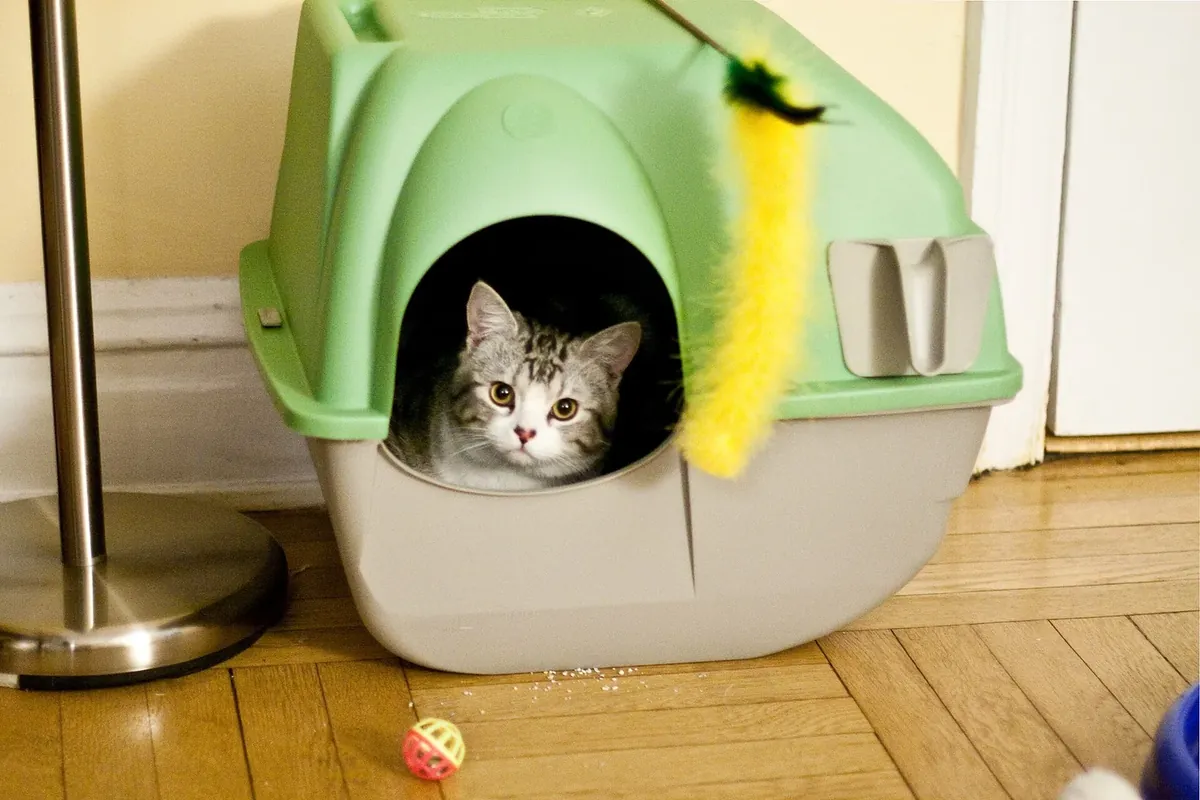
Covered, self-cleaning and lined trays: many cats adapt to a hooded tray, but a cat that shares the home with others may feel trapped with one exit, and larger cats can struggle to position themselves inside one. Self-cleaning trays that move or hum unpredictably can startle cats into avoiding the box altogether, and liners or heavily scented litters are a common cause of house soiling.
Senior cats: a tray with lower sides makes a real difference for a cat with arthritis or reduced mobility — the cat that suddenly misses the box is often a cat in pain rather than a cat being difficult.
Start with litter box setup 101, then the cleaning routine, the peeing outside the box troubleshooter and the cat-friendly home setup.
Source: International Cat Care — Choosing a litter tray for your cat.
Set up a litter box system cats are more likely to use: right size, right location, enough boxes, and simple cleaning habits.
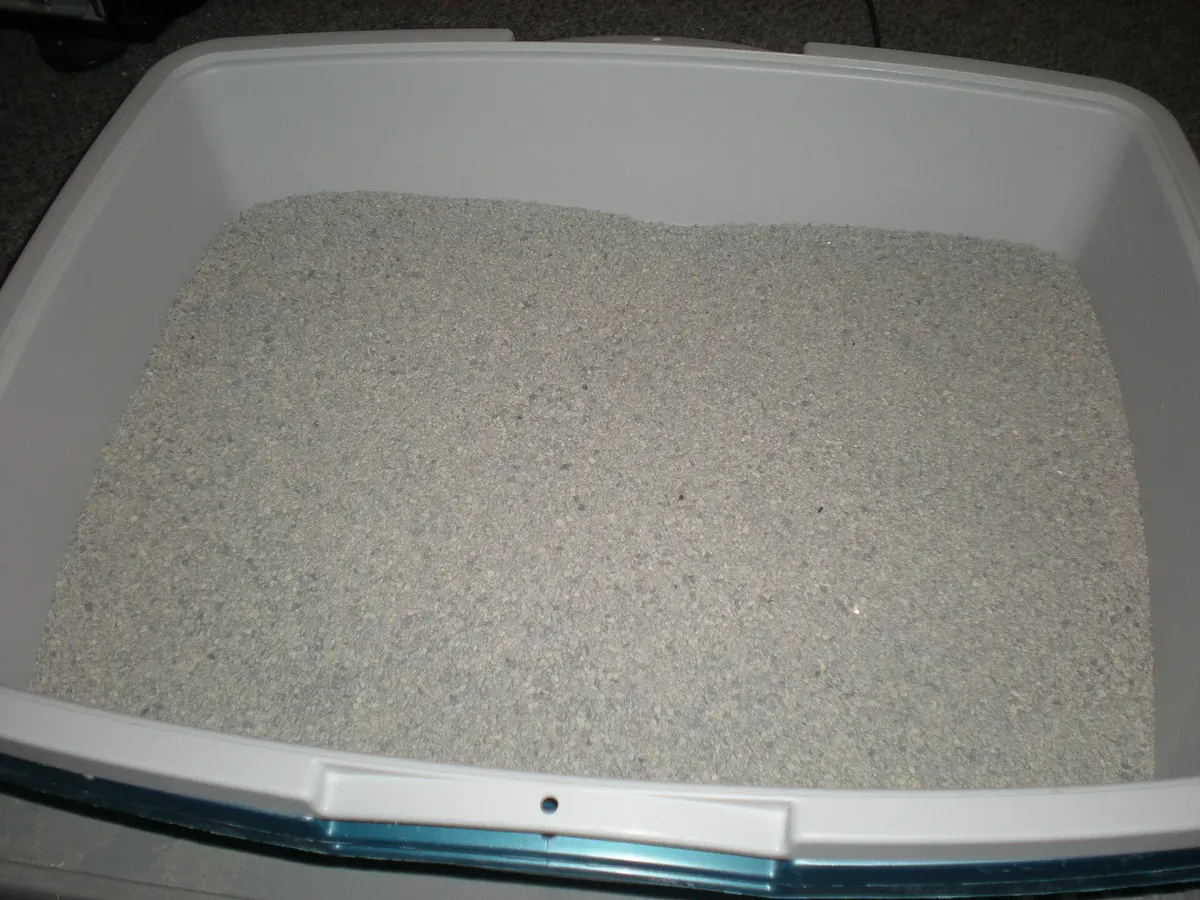
Build a litter box cleaning rhythm that controls odor, supports litter box use, and avoids harsh scents cats dislike.
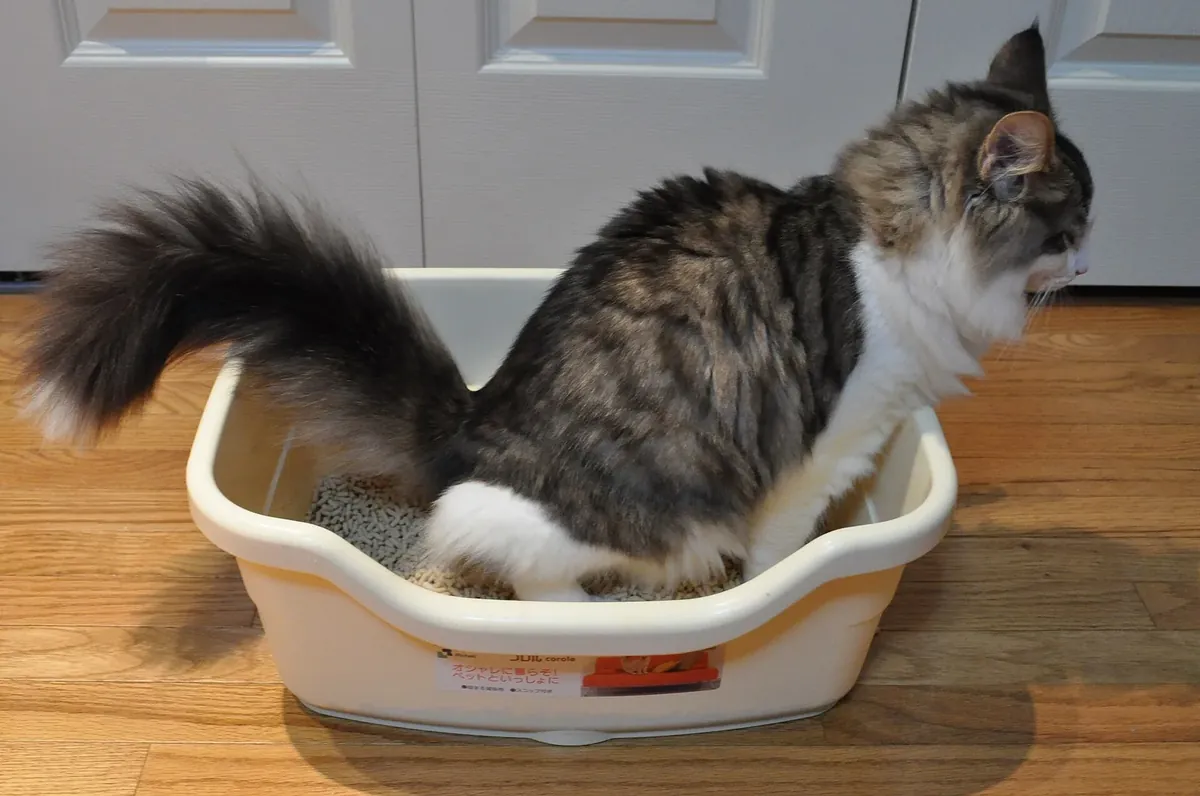
A cautious guide to litter box accidents, including urgent urinary red flags, setup checks, cleaning, and stress factors.