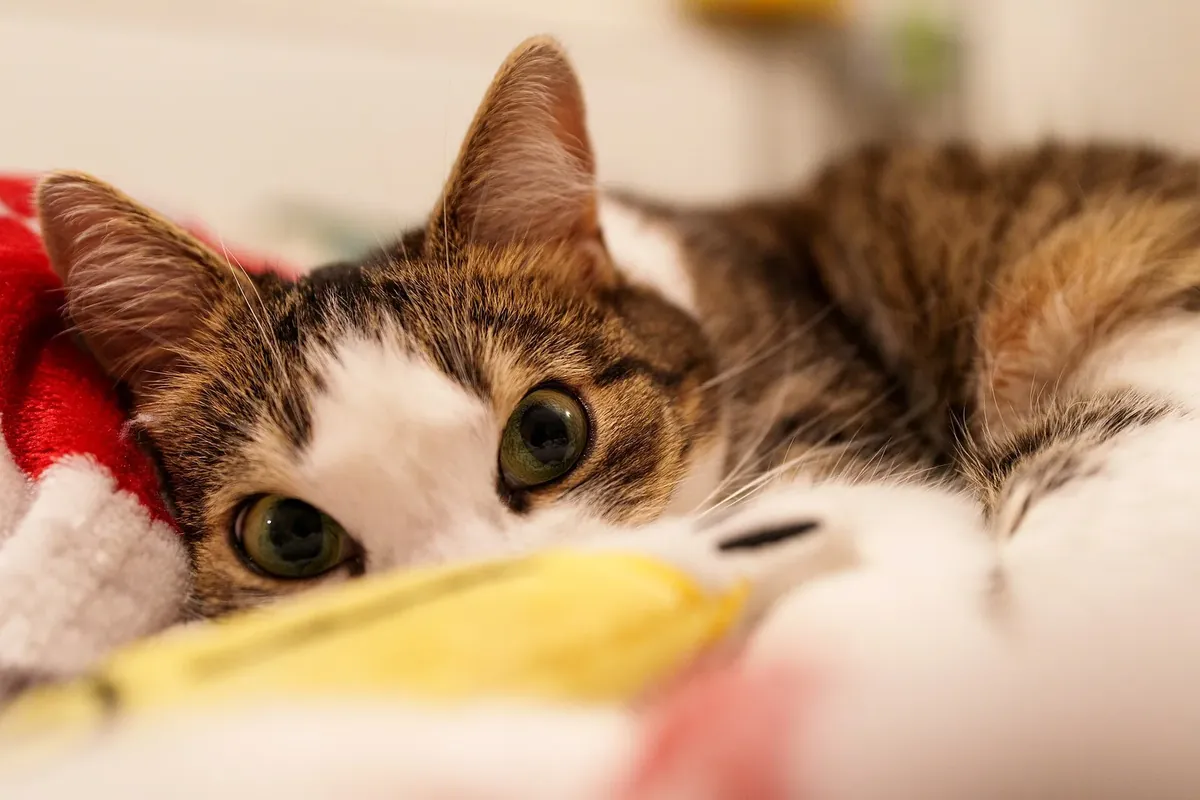
Why Does My Cat Stare at Me? Reading the Stare Before You React
Why does my cat stare at me? Learn to read soft, hard, and demand stares — and exactly how to respond to each, calmly.
Category
Understand cat signals, play, scratching, confidence, and everyday behavior puzzles.
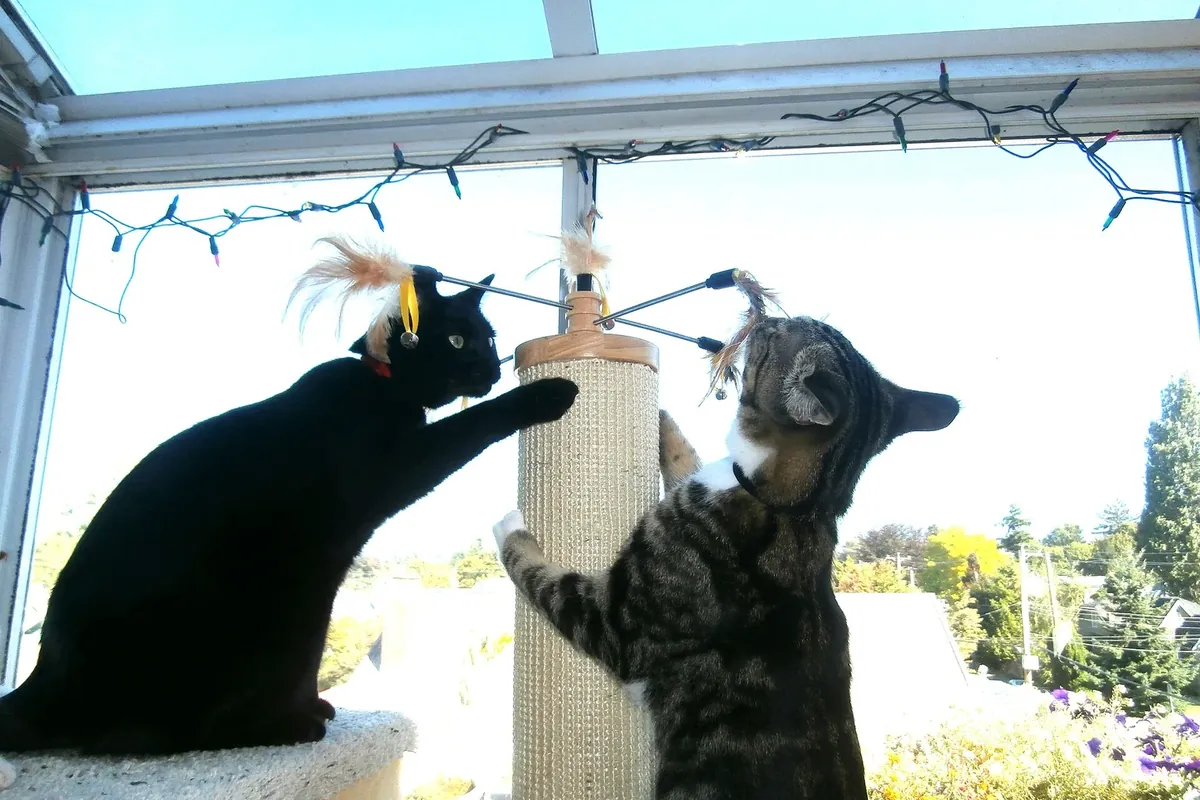
Behaviour and enrichment belong together because most of what gets called a behaviour problem is a communication problem or an outlet problem. International Cat Care's guidance on cat communication starts from the fact that cats signal subtly — a shift in pupil size, an ear turned a few degrees, a tail tip moving — and that owners who learn the quiet signals fix small problems before they become behaviour cases. Its stress guidance adds the other half: much of what cats find hard is environmental, from competing for resources with another cat to a routine that changes without warning.
This category collects both sides. The explainers cover what a particular behaviour means, starting with why a cat stares, what a slow blink actually signals, and why cats knead — the three questions new owners ask most often. The guide side covers what to do about it: reading body language, building a daily play routine, and enrichment basics for cats that never go outside.
Ohio State's indoor-cat checklist is a good weekly test of whether the environment is doing its job: perches, scratching surfaces, resting places, and play that matches the individual cat's prey style. If a cat is over-grooming, vocalising at night, or scratching the sofa, the fastest first move is to check what is missing rather than to correct the cat. Browse the enrichment and play tags, or plan the week with the indoor enrichment planner.
Sources: International Cat Care — Cat communication, International Cat Care — Stress in cats, Ohio State Indoor Pet Initiative — Basic Indoor Cat Needs.
Why does my cat stare at me? Learn to read soft, hard, and demand stares — and exactly how to respond to each, calmly.
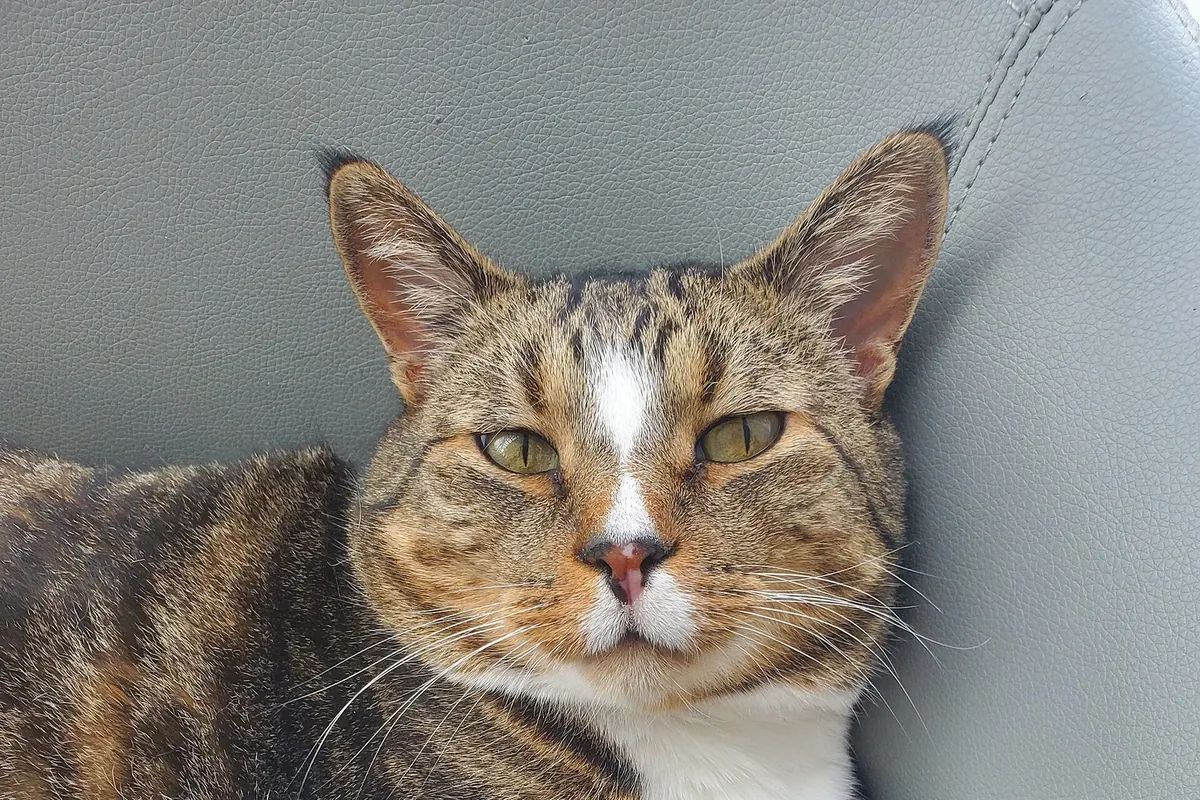
A cat slow blink is your cat's way of saying I'm relaxed and mean no harm. Here's what it means, what science found, and how to slow blink back.
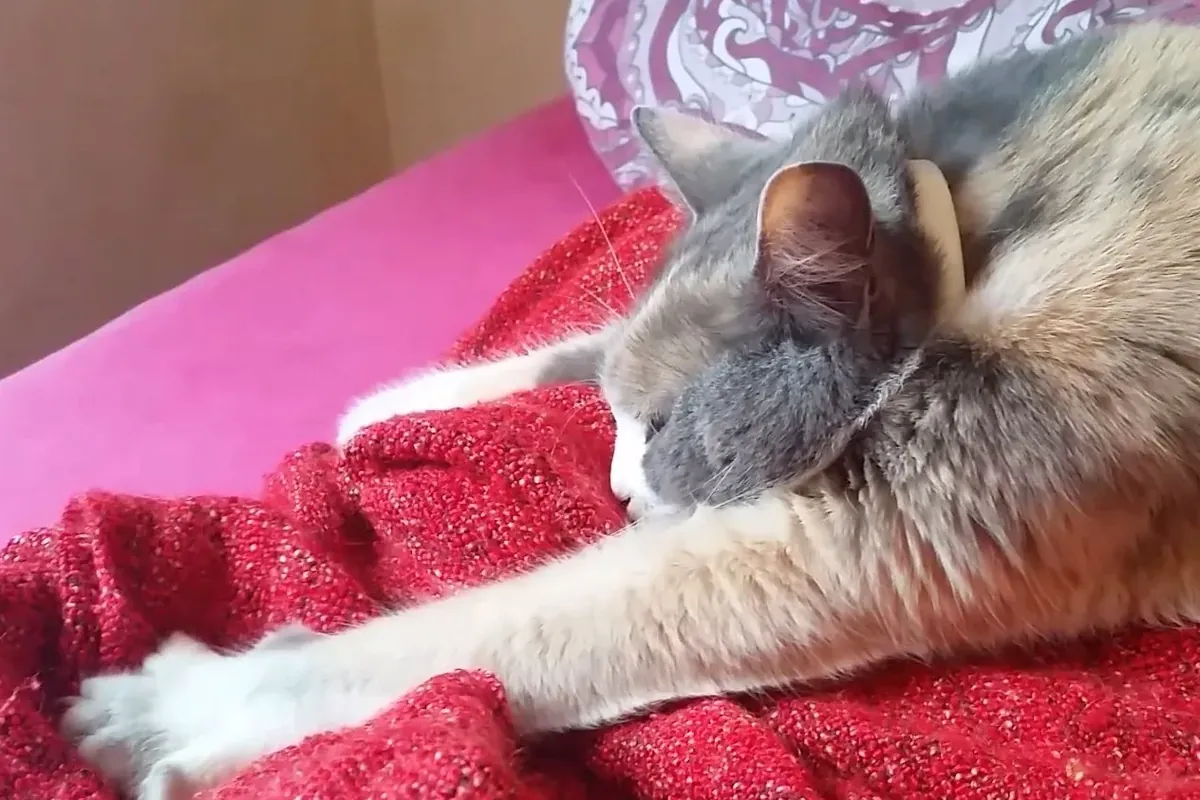
Why do cats knead blankets and laps? The nursing reflex, comfort, and scent marking explained — plus when kneading deserves a vet visit.
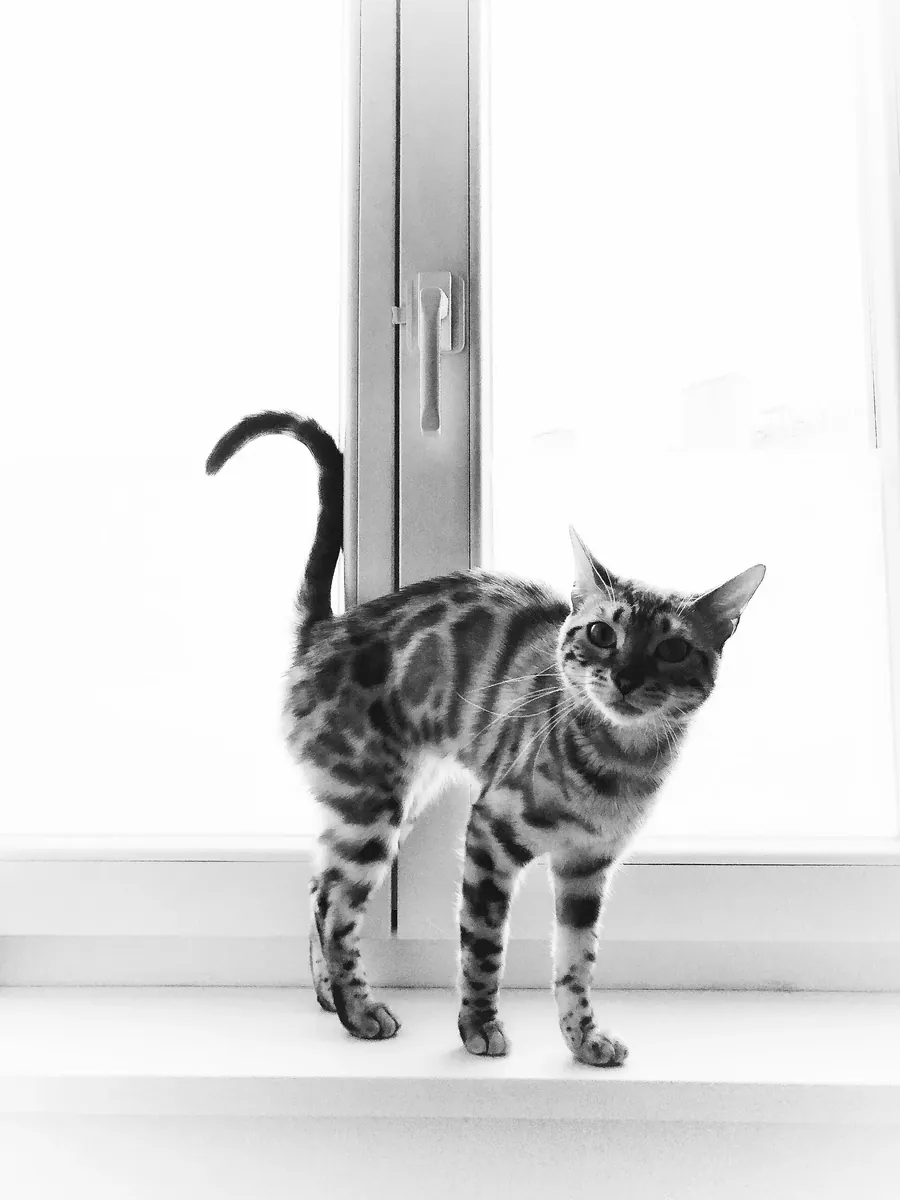
Learn how to read common cat body language signals so you can respond with less pressure and more trust.
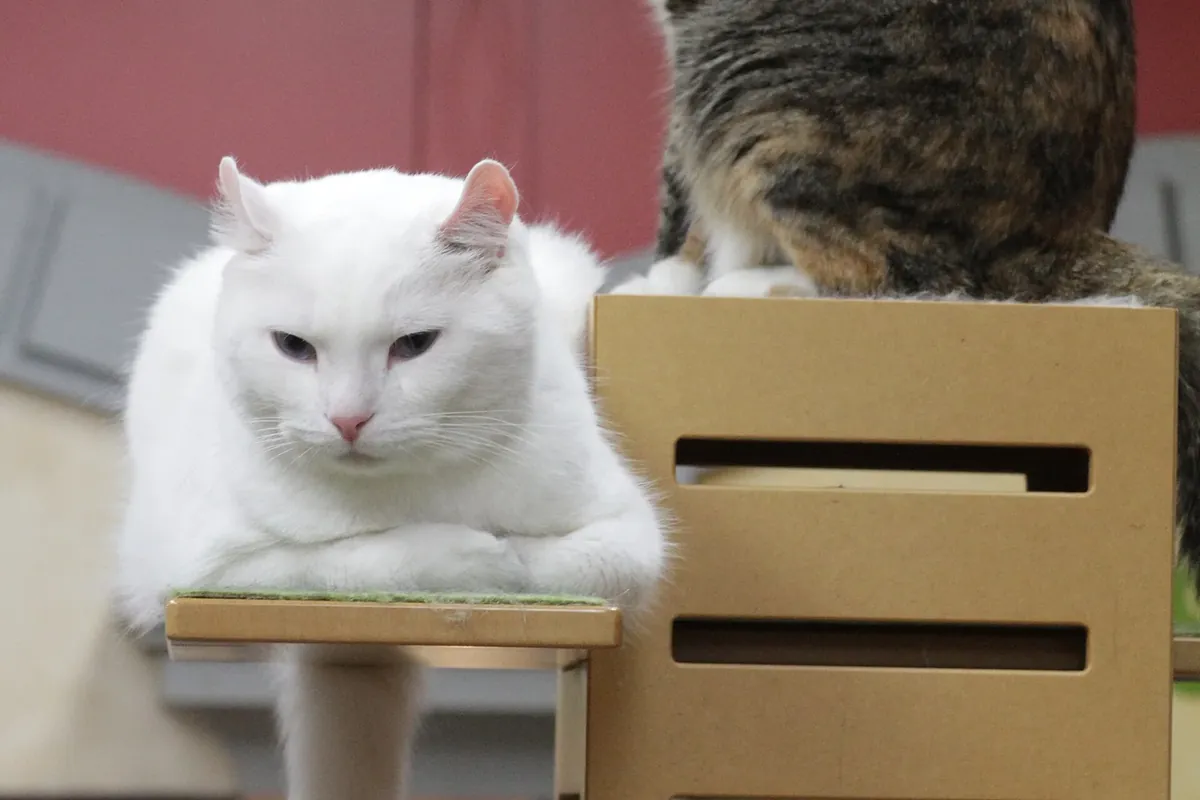
A practical enrichment guide for indoor cats, including play routines, food puzzles, scratchers, windows, and rest.
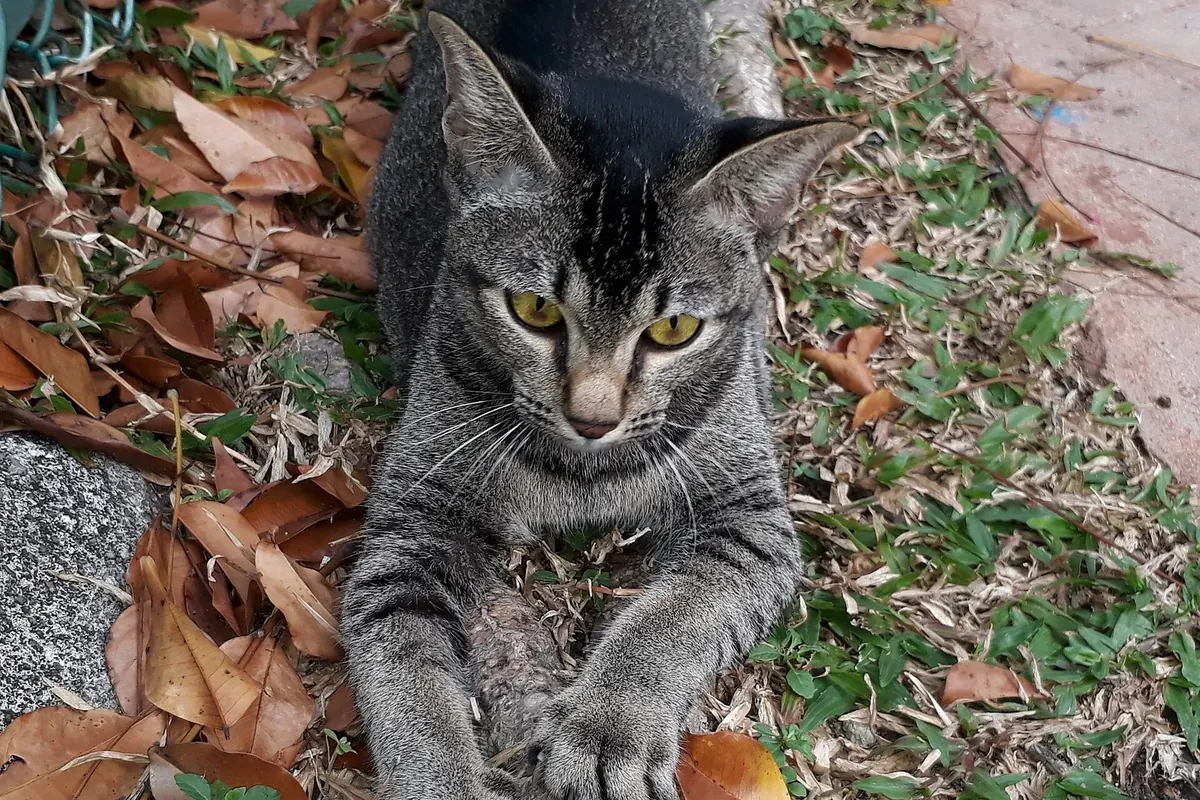
A humane furniture scratching plan that gives cats better scratch options and protects furniture while new habits form.
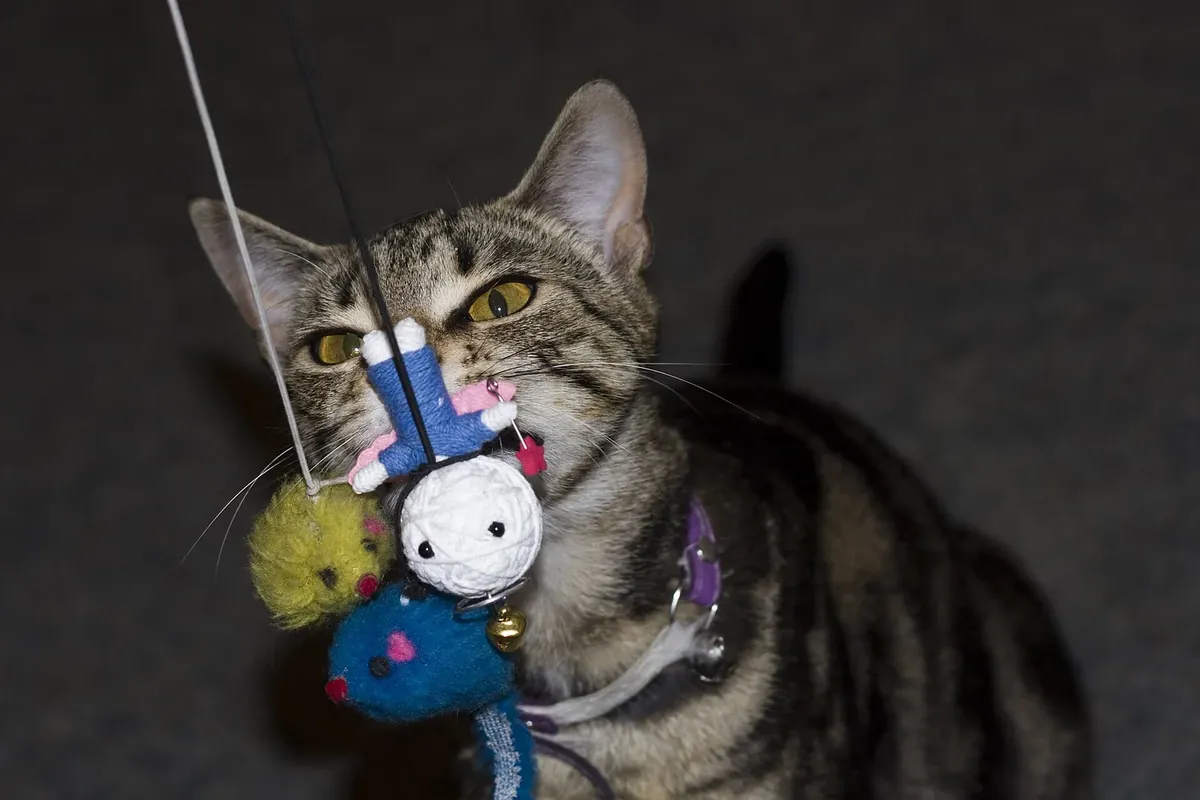
Design a simple daily play routine around your cat's energy, favorite prey style, schedule, and wind-down needs.
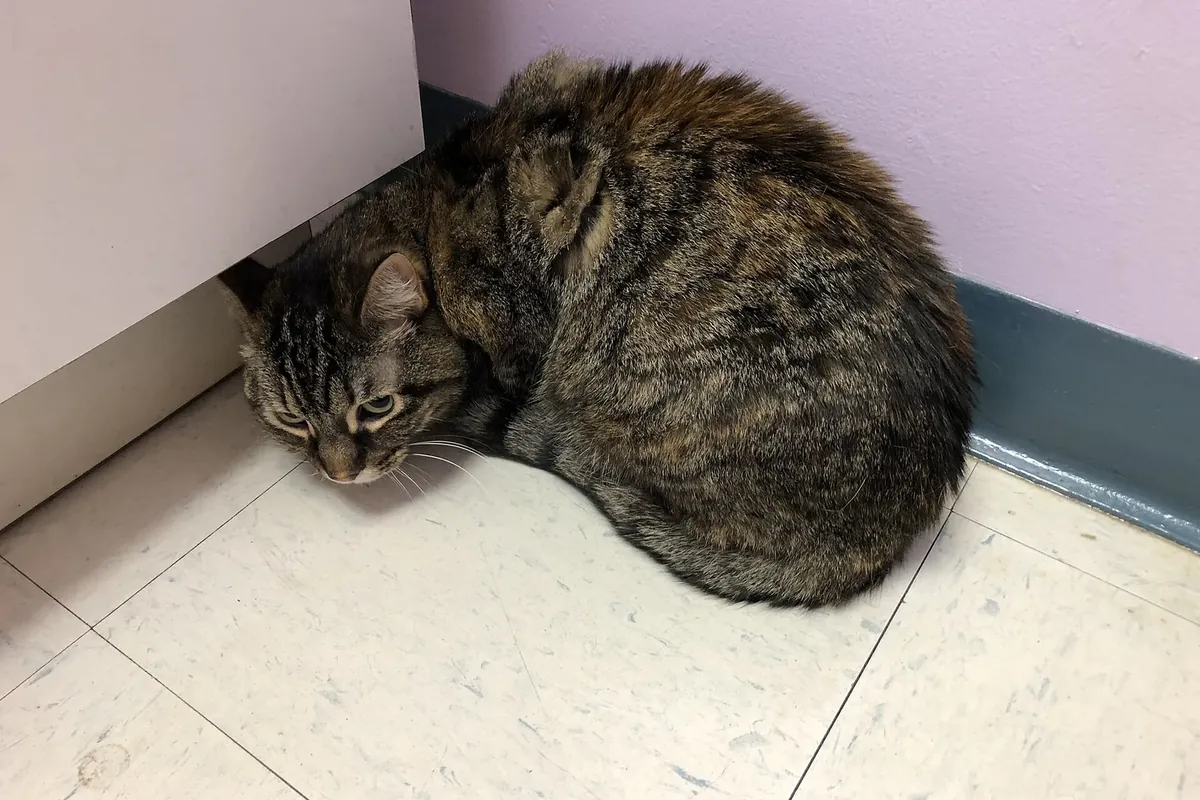
A gentle plan for shy cats using safe rooms, predictable visits, low-pressure play, scent, and patience.
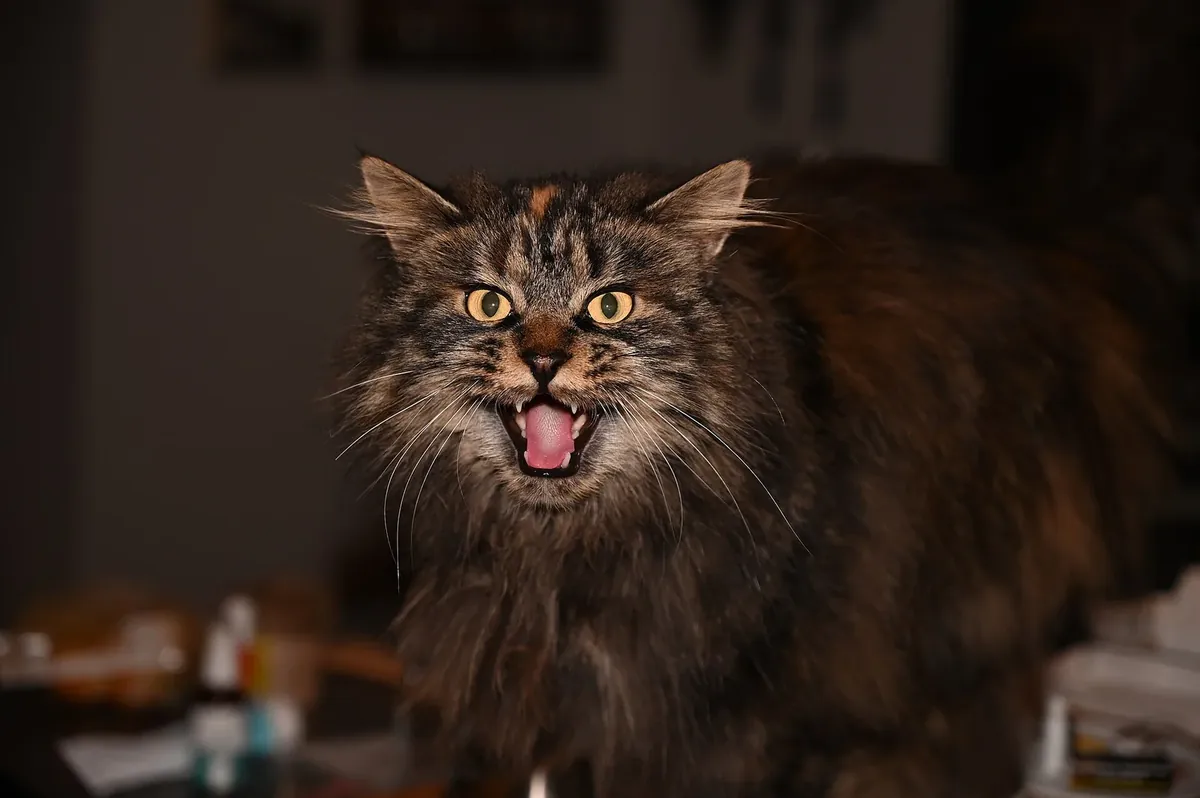
Troubleshoot nighttime meowing with health checks, play timing, feeding rhythm, boredom, and reinforcement patterns.