Indoor Cat Enrichment Basics: Play, Climbing, Scratching, and Choice
A practical enrichment guide for indoor cats, including play routines, food puzzles, scratchers, windows, and rest.
Tag
Articles and resources connected to play.
Play is the closest thing an indoor cat gets to hunting, and the sequence matters more than the toy. A wand toy that moves like prey — a slow stalk, a burst of chase, a pounce, and finally a catch — lets the cat complete the pattern. Ending the session with a small treat or the next meal finishes the sequence, which is why so many cats ask for play just before dinner.
International Cat Care makes two points worth building a routine around: play is an essential part of a kitten's development, and cats kept exclusively indoors need plenty of stimulation and play to avoid boredom. Motivation is individual, so it is worth watching for the signals your cat gives before play rather than starting on a schedule the cat did not agree to. Senior cats can still enjoy gentle games, just for shorter spells.
Two or three short sessions a day generally beat one long one, and toys left on the floor permanently lose their value. Rotate them, keep the best wand for sessions, and make sure anything that starts as a chase ends in something catchable — a laser pointer with nothing to pounce on leaves the hunt unfinished. Start with building a daily play routine, then the wider indoor enrichment basics, and use the indoor enrichment planner to spread outlets across the week.
Sources: International Cat Care — Playing with your cat, Ohio State Indoor Pet Initiative — Basic Indoor Cat Needs.
A practical enrichment guide for indoor cats, including play routines, food puzzles, scratchers, windows, and rest.
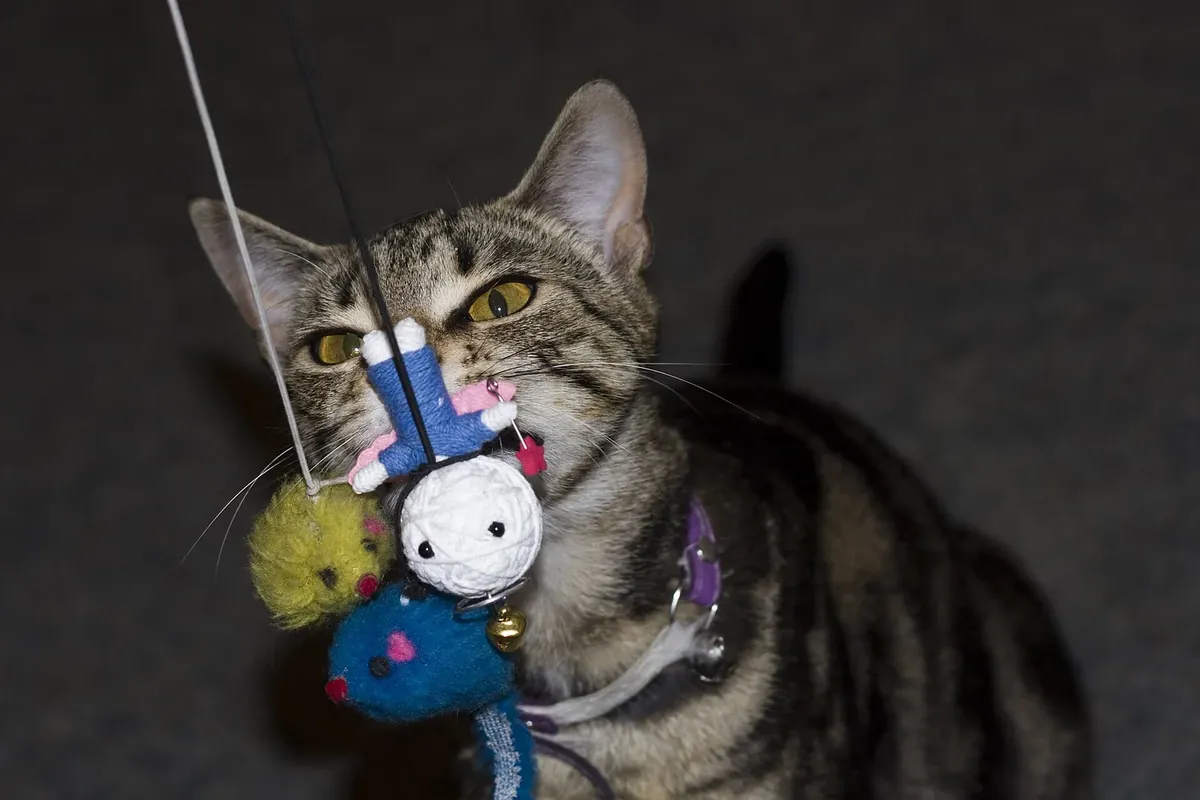
Design a simple daily play routine around your cat's energy, favorite prey style, schedule, and wind-down needs.
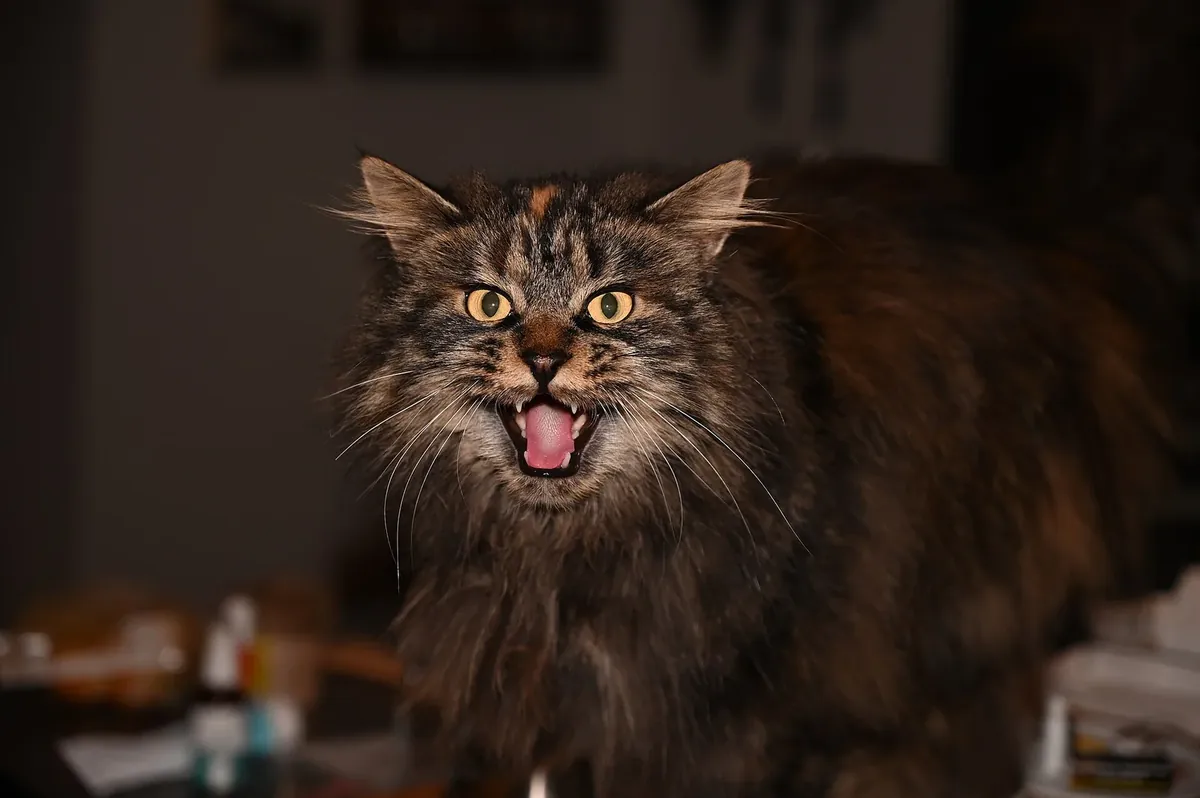
Troubleshoot nighttime meowing with health checks, play timing, feeding rhythm, boredom, and reinforcement patterns.