Rotates weekly
This week's theme
Refresh one cat-care routine.
Weekly check-in
A weekly cat-care check-in with a five-minute health scan, enrichment theme, discussion prompt, and practical links.
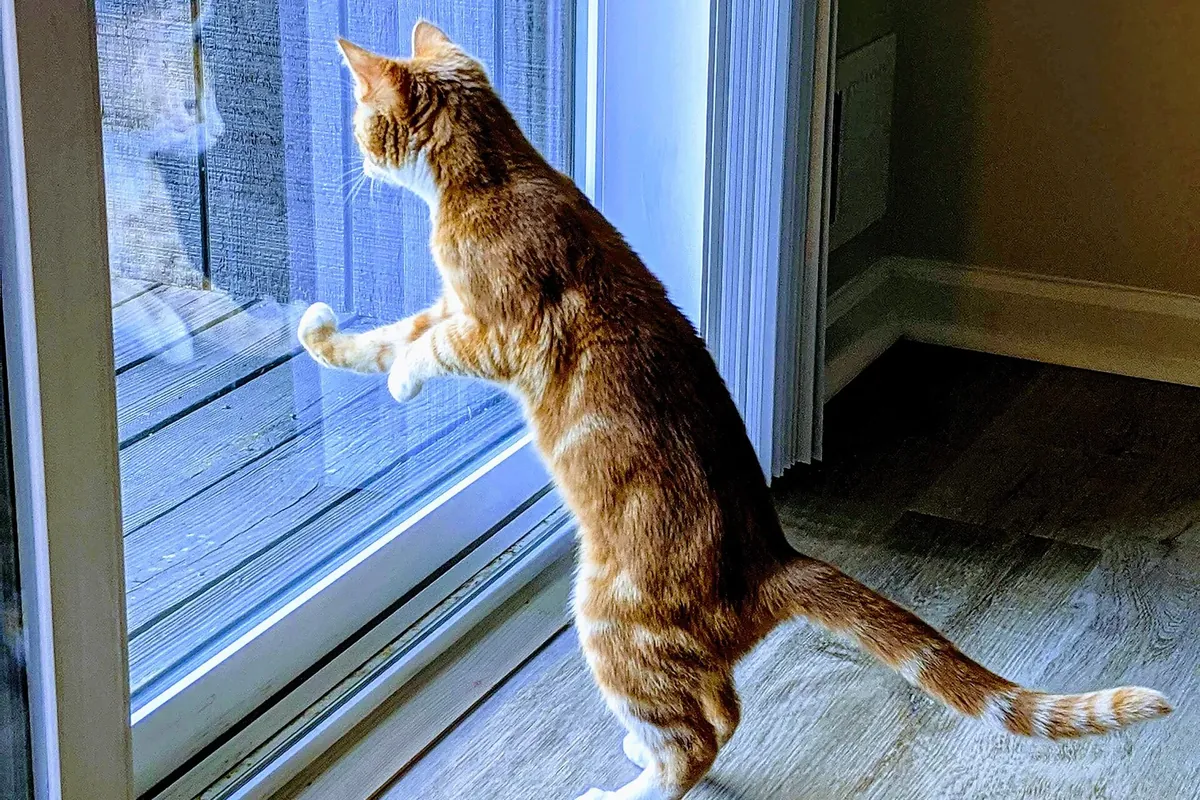
Rotates weekly
Refresh one cat-care routine.
Facebook prompt
What tiny change made your cat seem calmer: a box, a water spot, a scratcher move, a play routine, or something else?
Safety reminder
Straining to urinate, breathing trouble, collapse, toxin exposure, repeated vomiting, or not eating should be treated urgently.
Use this once a week before sharing a cute photo or asking for advice online. You will notice more useful details if you look at the same basics regularly.
If everything is normal, pick one enrichment idea for the week. If something changed, write down what you saw and decide whether it belongs in the symptom checklist, a vet call, or a simple setup adjustment.
The scan is only useful if you know which changes mean “keep watching” and which mean “call today”. The table below is deliberately blunt about the second group.
| What you notice | What it can point to | How fast to move |
|---|---|---|
| Eating less, or losing weight while still eating | Dental pain, nausea or an underlying illness; in older cats it is one of the most common early signs | Book a visit this week rather than next month |
| Drinking more than usual, or litter clumps growing | Kidney or urinary changes, diabetes, or thirst driven by a dry-food-only diet | Vet visit — record the amounts for a few days first so the conversation has numbers |
| Straining to urinate, or repeated trips producing nothing | Urinary obstruction, which is a genuine emergency in male cats | Immediately, day or night |
| Breathing faster than about 35 breaths a minute at rest | Cardiac or respiratory causes that are not visible any other way | Same day |
| New hiding, or avoiding a room that used to be fine | Pain, conflict with another cat, or a new stressor in the home | Investigate first; call the vet if it comes with appetite or litter changes |
| Over-grooming, matting, or a coat that looks unkempt | Skin or parasite problems, pain, or — especially in older cats — a reduced ability to groom | Vet if the coat changed quickly or the skin looks sore |
Cornell Feline Health Center lists rapid breathing above 35 breaths per minute among the signs to have checked rather than waited on, and notes that older cats groom themselves less effectively, which is how matting and skin inflammation begin. Count breaths for a full 30 seconds while the cat is asleep or resting and double the number — a cat that has just been chasing a toy will always read high, which tells you nothing.
Keep the weekly result in one place, even a phone note. Vets work from trends: “drinking more for a fortnight” is far more useful than “seems thirstier”. The care calendar is the slower version of the same habit, and vet care basics covers what an annual check actually includes.
Sources: The Special Needs of the Senior Cat (Cornell Feline Health Center: age-related changes beginning between seven and ten years, rapid breathing above 35 breaths per minute, reduced grooming) and Taking your cat to the vet (International Cat Care: every cat should have at least one annual check).