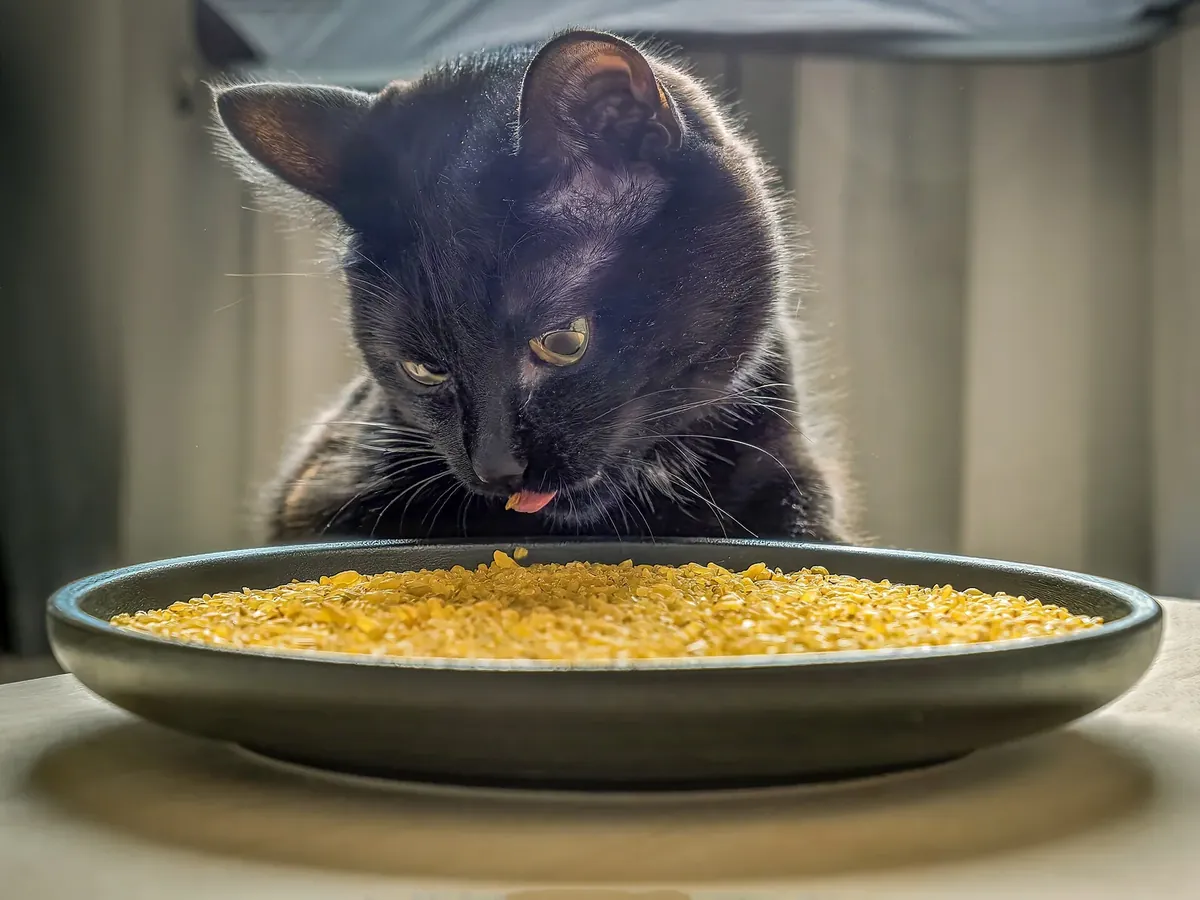
Cat Not Eating: What to Check and When to Call the Vet
A calm appetite checklist for cats who skip food, including food changes, stress, nausea signs, and urgent veterinary boundaries.
Tool
Sort common observations into emergency, vet-soon, and monitor-at-home categories.
A checklist cannot diagnose anything, but it can stop the two most common mistakes: waiting too long on a genuine emergency, and rushing to the clinic for something watchable. The tiers below are built from the red-flag lists that veterinary institutions publish, not from guesswork.
| Sign | Typical urgency | Why it sits there |
|---|---|---|
| Straining to urinate, or nothing produced | Same day, immediately | A blocked cat deteriorates fast; this never waits for morning |
| Breathing faster than about 35 breaths a minute, or open-mouth breathing | Same day | Cornell lists rapid breathing among the signs that need attention now |
| Suspected poisoning or plant ingestion | Same hour | ASPCA Poison Control runs a 24-hour emergency hotline for exactly this |
| Not eating, with visible weight loss | Within a day or two | Cornell advises a veterinary examination for any cat refusing food and losing weight |
| Vomiting, abnormal gait, head shaking, discharge | Book a visit | On Cornell’s senior list of changes that warrant a check |
| Coat, shedding or sleeping pattern changes only | Monitor and log | Worth tracking for a week; pair it with the age calculator and the glossary |
Write down what you actually observed and when, including the last time your cat ate, drank and used the tray — that log is what turns a vague phone call into a useful one. The vet care basics guide explains what happens at a first visit, hairballs and vomiting covers the most over-Googled symptom on this list, and a cat hiding after adoption is the version of “something is wrong” that is usually stress rather than illness.
Sources: Cornell Feline Health Center — The Special Needs of the Senior Cat (red-flag sign list, breathing rate), ASPCA Poison Control — toxic and non-toxic plants, and Taking your cat to the vet.
Use the result as a starting point for observation and planning. Cats vary by age, body condition, temperament, medical history, and household setup.
A calm appetite checklist for cats who skip food, including food changes, stress, nausea signs, and urgent veterinary boundaries.
A practical guide to hairballs, vomiting red flags, brushing routines, diet conversations, and when to call a veterinarian.
A cautious guide to litter box accidents, including urgent urinary red flags, setup checks, cleaning, and stress factors.