Cat Grooming Basics: Brushing, Nails, Teeth, and Coat Checks
A low-stress grooming primer for brushing, nail checks, teeth basics, handling practice, and when mats need help.
Category
Brushing, nail trims, dental basics, shedding, hairballs, and low-stress handling.
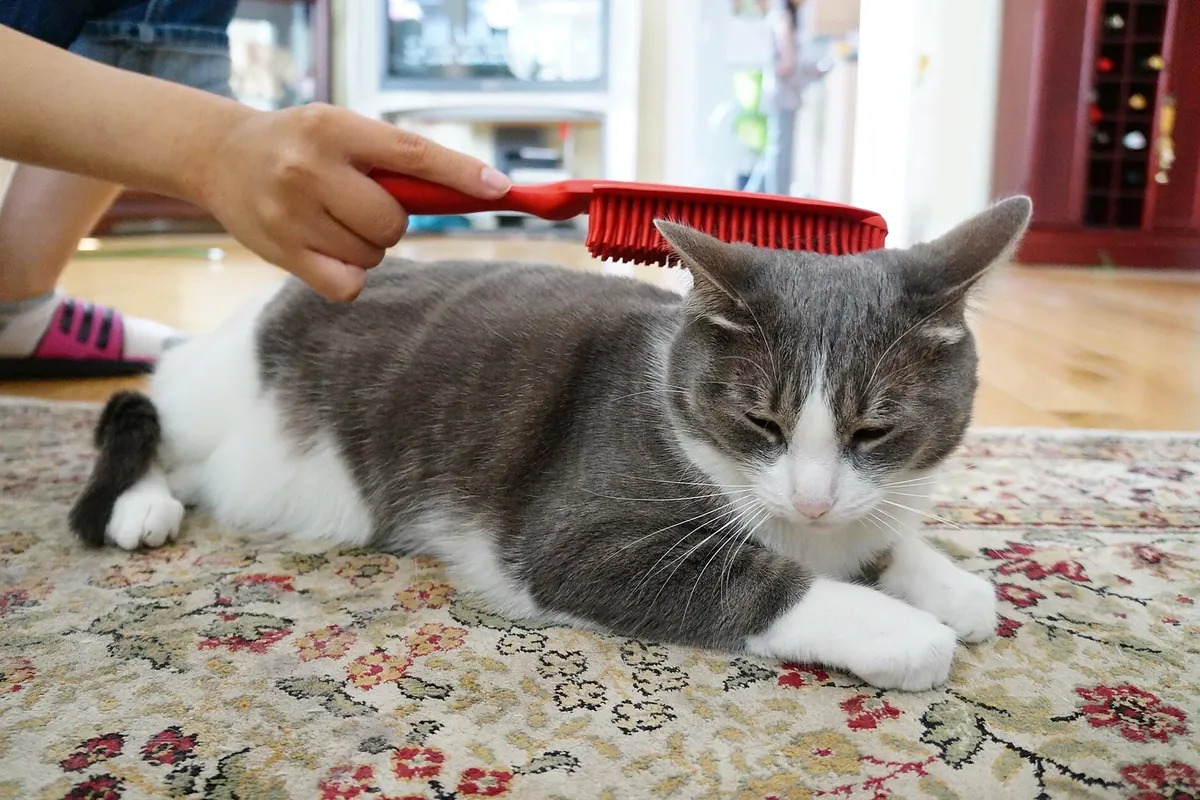
A cat's coat is built from three hair types — down, awn and guard — and cats moult all year round to varying degrees, which is why loose hair keeps turning up on the sofa in every season. International Cat Care's grooming guide makes the hygiene case directly: much of that loose hair is swallowed while the cat grooms itself, passes through the gut, or comes back up as a hairball. Brushing most of it off the coat first is the simplest hairball prevention there is.
| Coat type | How often | Basic kit |
|---|---|---|
| Shorthaired | At least once a week | Fine-toothed flea comb, bristle brush, rubber grooming mitt or pad |
| Longhaired | At least daily, for as long as the cat is comfortable | Wide-toothed comb plus a rubber mitt; check armpits, between the hind legs and between the toes, where matts start |
Two habits make the difference between a grooming routine that lasts and one that ends in a chase. First, start with the flea comb and check what it collects: flea dirt is tiny black comma-shaped specks that leave a red-brown smear if you dampen them — if you find any, that is a conversation with your veterinary team rather than a product decision. Second, work in the direction the hair grows, from the head backwards, and stop before the cat has to tell you to stop.
International Cat Care lists the early warning signs that a cat is tolerating rather than enjoying a groom: skin rippling or twitching, tail swishing or a twitch at the tip, a sharp head turn toward the brush, suddenly freezing or going tense, ears flicking backwards, lip-licking or swallowing, head shaking, a short rapid burst of self-grooming, or a growl or hiss. Any of those means the session ends today, not in five more strokes.
Never cut a matt out with scissors — it is genuinely hard to see where coat ends and skin begins, and matts that are tight enough to need cutting are usually a job for a groomer or a vet, sometimes with sedation. Bathing is not part of routine care for a healthy cat; most cats dislike it and do not need it.
More detail in the grooming basics guide, the calm nail-trim routine and the hairball guide — or browse everything filed under the grooming and health tags.
A low-stress grooming primer for brushing, nail checks, teeth basics, handling practice, and when mats need help.
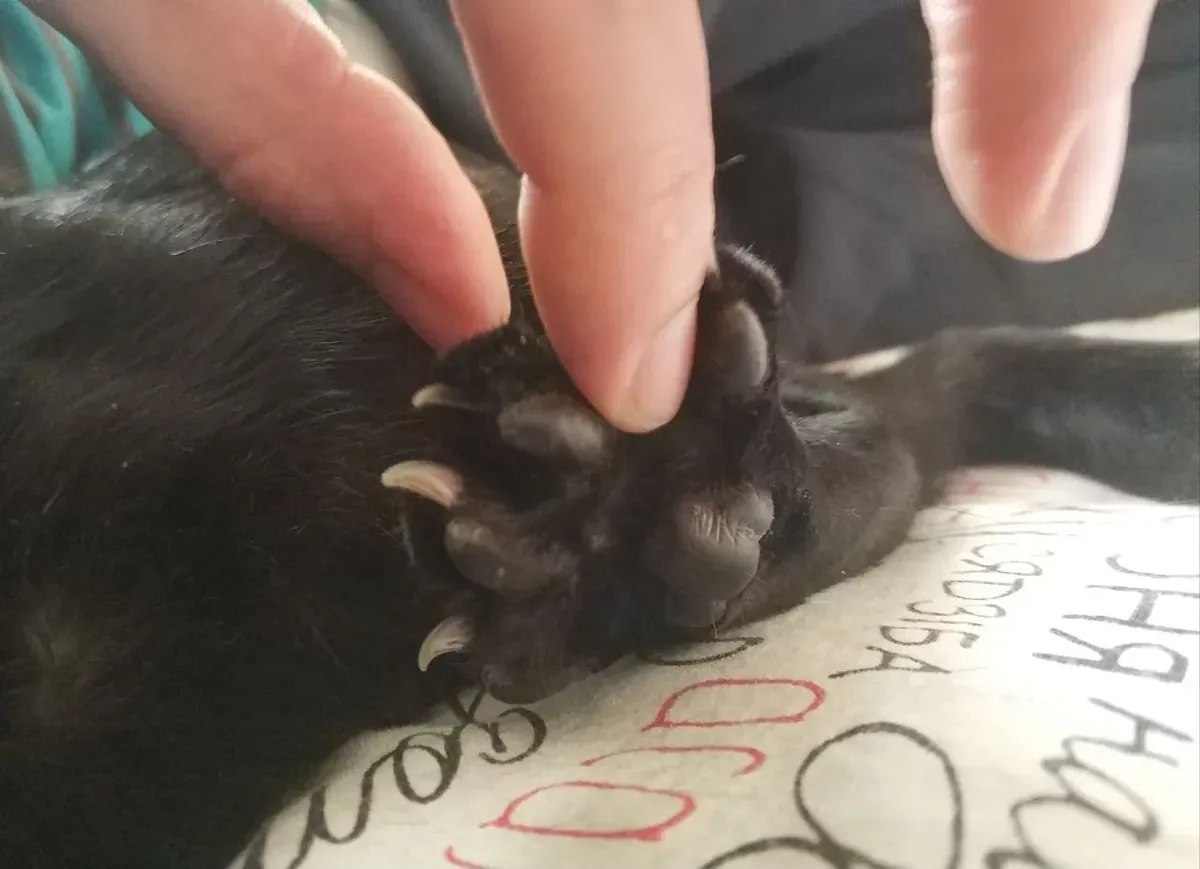
A gentle cat nail trim process using handling practice, good light, tiny sessions, and safe clipping technique.
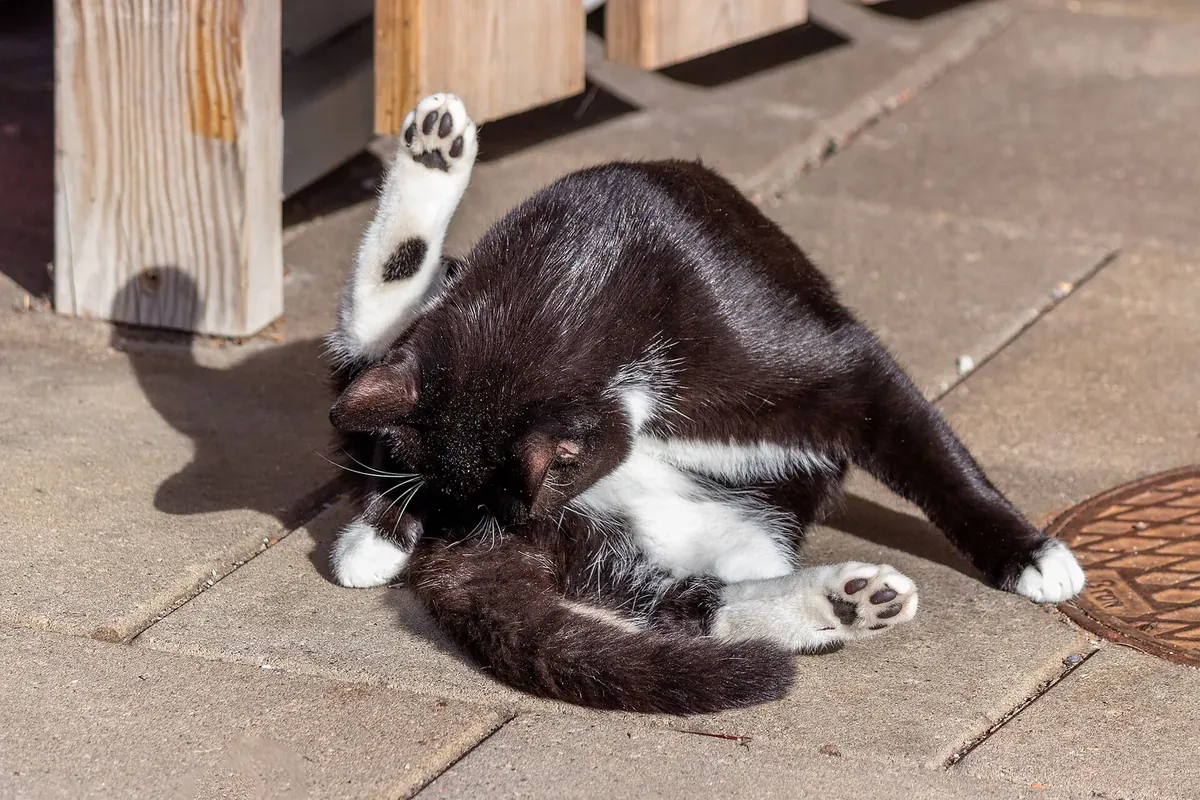
A practical guide to hairballs, vomiting red flags, brushing routines, diet conversations, and when to call a veterinarian.