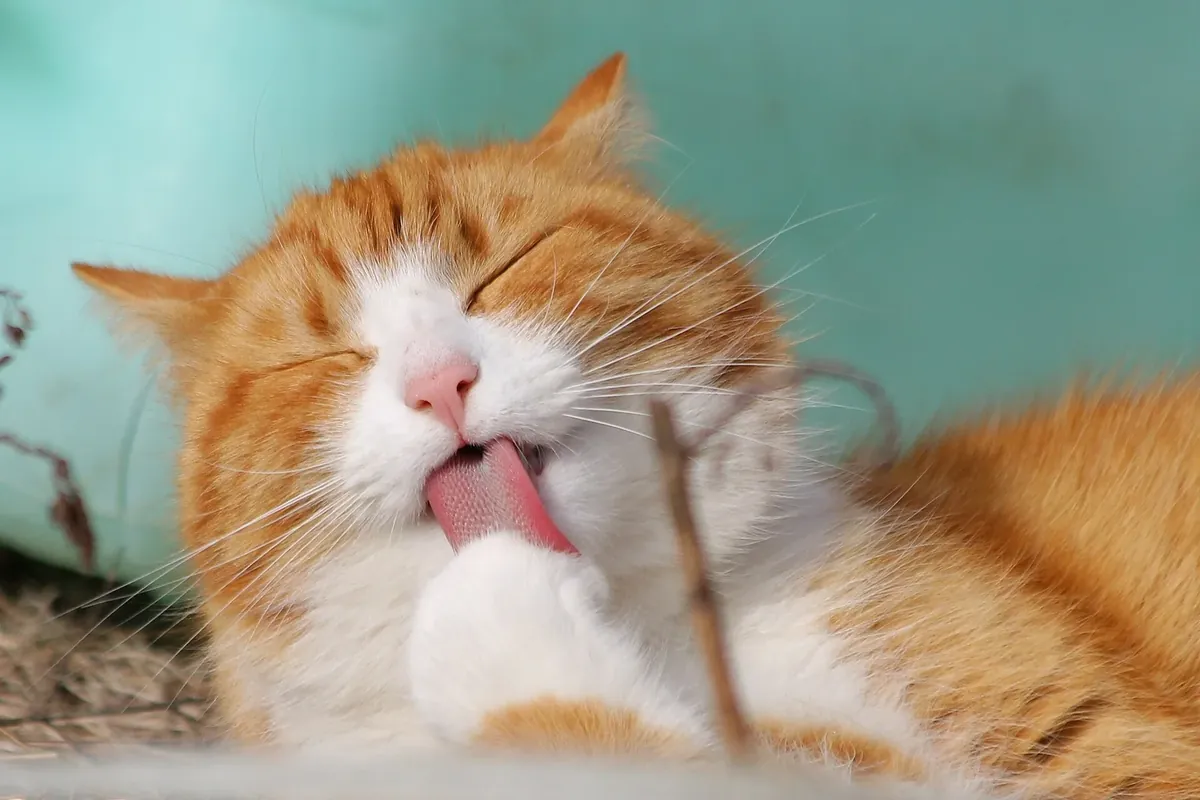
Cat Grooming Basics: Brushing, Nails, Teeth, and Coat Checks
A low-stress grooming primer for brushing, nail checks, teeth basics, handling practice, and when mats need help.
Tag
Articles and resources connected to grooming.
Grooming frequency follows the coat rather than a fixed calendar. A short-haired cat usually needs a weekly pass with a soft brush plus attention to claws and ears; a long-haired cat needs a few minutes most days to stop mats forming behind the legs, under the collar and around the tail base. Work in the direction the coat lies, keep sessions short enough that the cat stays willing, and never cut a mat out with scissors — the skin tents up under a mat far more than people expect.
The ASPCA's grooming guidance covers the whole routine — eyes, ears, teeth, skin and fur — and adds a practical caution: some cats will not tolerate a full groom, and where there is a real risk of injury to cat or owner, a professional groomer or a veterinary clinic is the better route than a wrestling match at home.
Grooming is also a health check. Over-grooming that goes beyond normal coat maintenance — thinning on the belly, the insides of the hind legs or along the flanks, often in a symmetrical pattern — is a signal of an underlying problem rather than extra fastidiousness, and the hair shafts left behind feel spiky where genuinely lost hair feels soft. The starting points here are cat grooming basics, trimming nails calmly, and the grooming and hygiene category for coat-type detail.
Sources: ASPCA — Cat Grooming Tips, International Cat Care — Over-grooming in cats.
A low-stress grooming primer for brushing, nail checks, teeth basics, handling practice, and when mats need help.
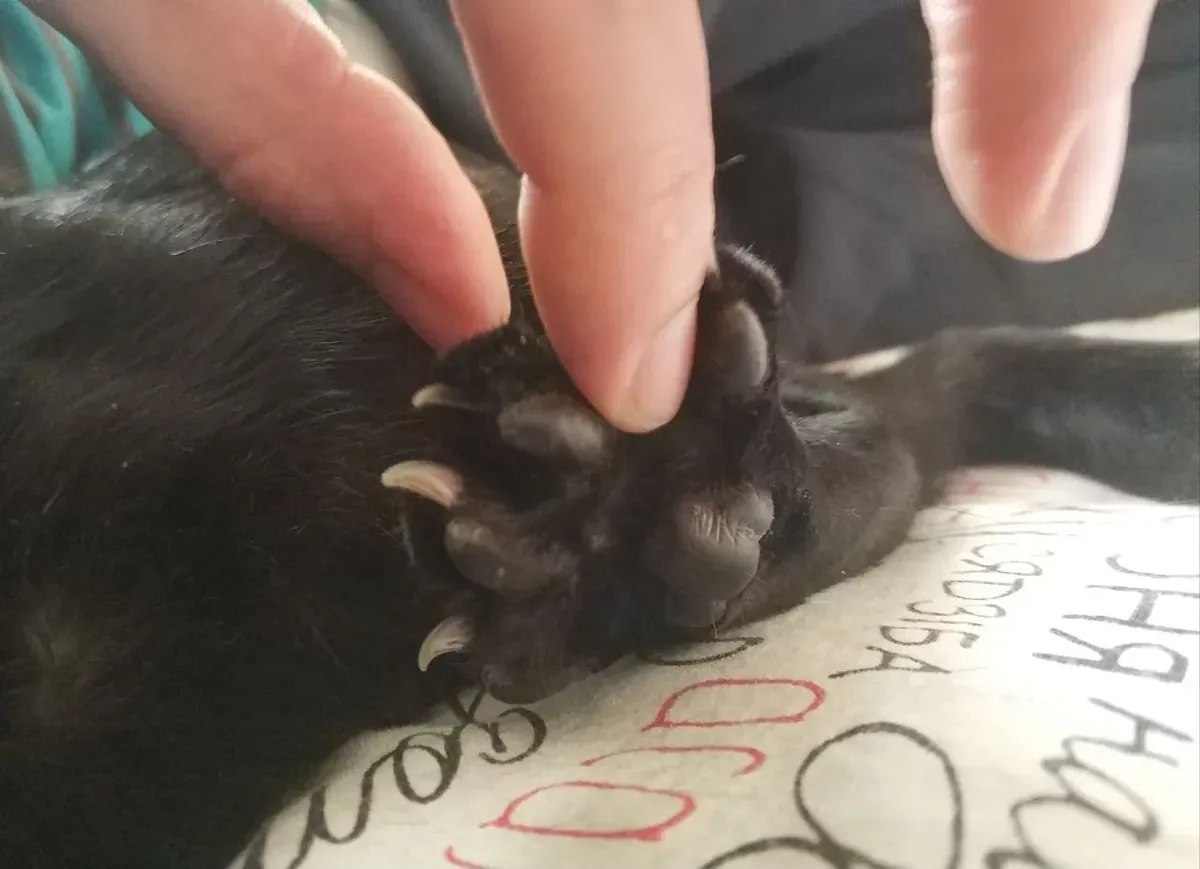
A gentle cat nail trim process using handling practice, good light, tiny sessions, and safe clipping technique.
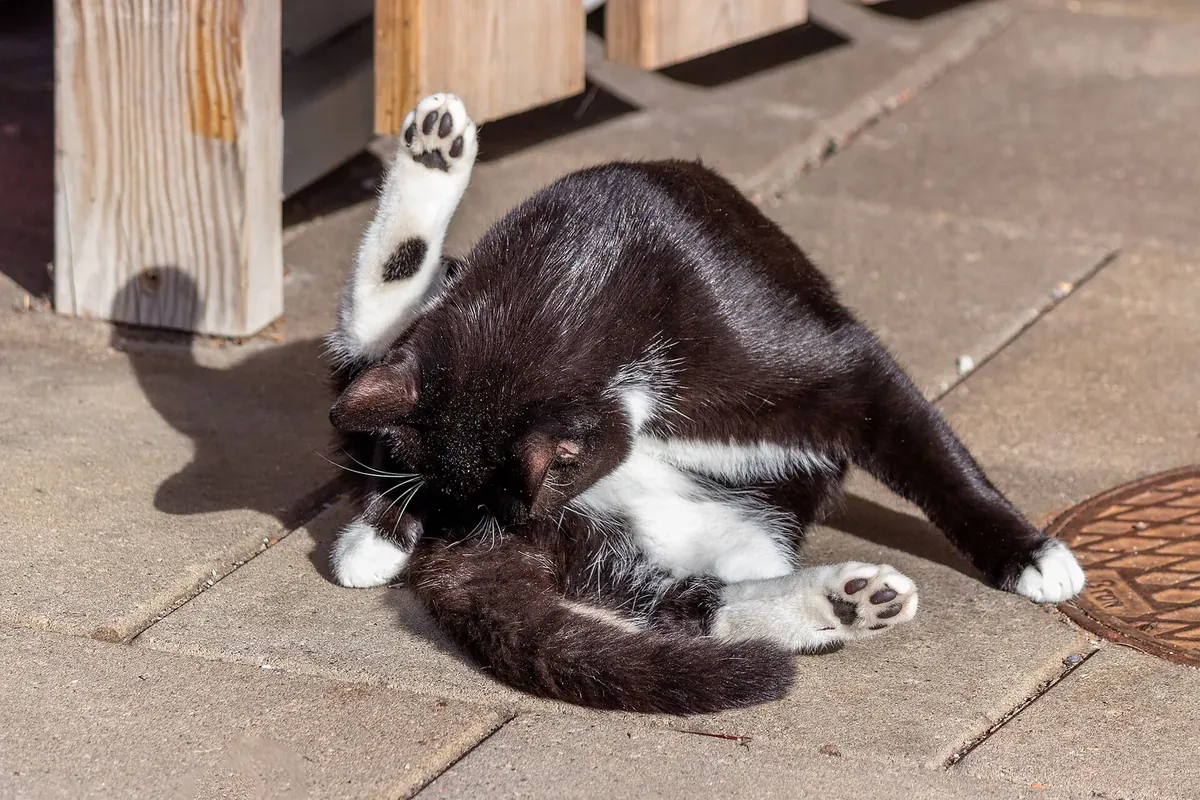
A practical guide to hairballs, vomiting red flags, brushing routines, diet conversations, and when to call a veterinarian.