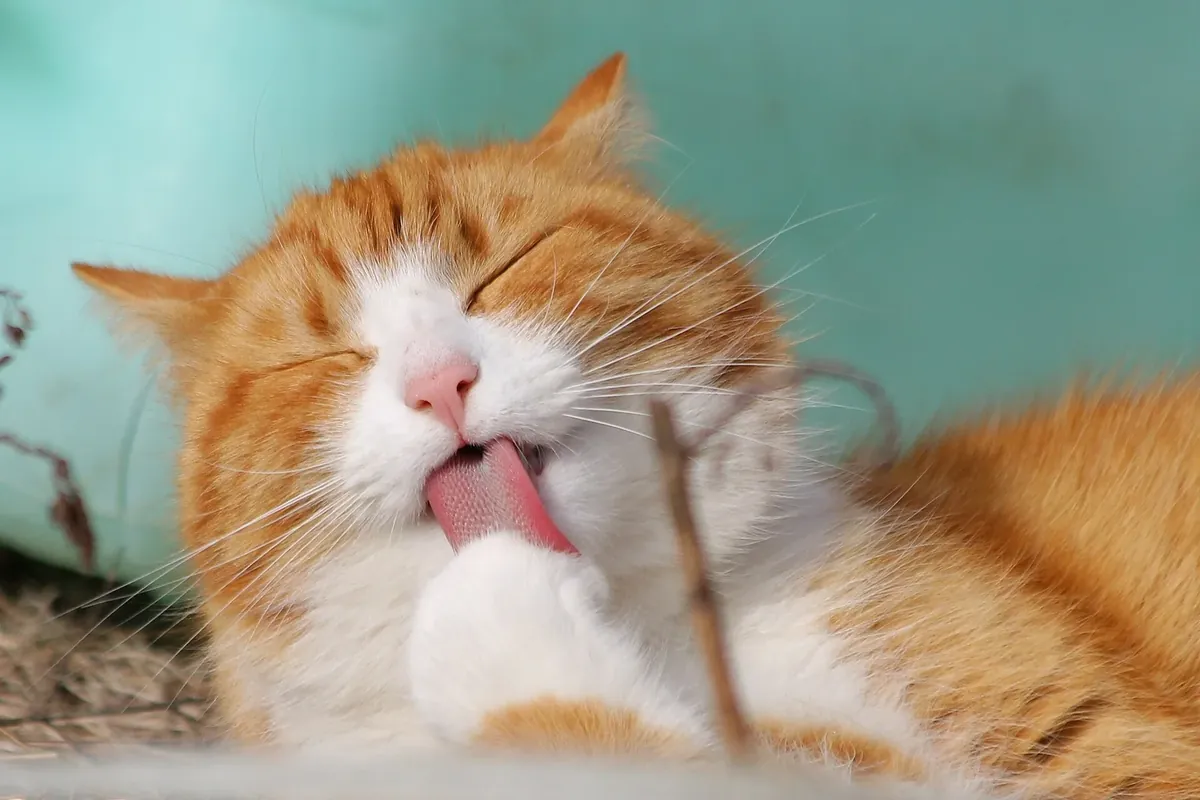
Cat Grooming Basics: Brushing, Nails, Teeth, and Coat Checks
A low-stress grooming primer for brushing, nail checks, teeth basics, handling practice, and when mats need help.
Tag
Articles and resources connected to health.
Most of what a cat's health tells you is visible from the boring weekly details: how much is eaten, how much is drunk, what turns up in the litter tray, whether the coat is being maintained, and how much of the day is spent moving versus sleeping. Comparing those week to week catches change earlier than a single examination, and it makes a veterinary conversation far more useful when you get there — International Cat Care's position is that every cat should have at least one check-up a year, with more frequent visits for cats that need them.
Age shifts the baseline. Cornell notes that many cats begin to encounter age-related physical changes between seven and ten years of age, and most by the age of 12, which is the point at which twice-yearly screening stops being over-cautious. Advancing age is not itself a disease, but it changes what counts as normal: a senior cat's weight, hydration, teeth and thyroid status deserve routine attention rather than a reactive appointment.
One symptom justifies urgency rather than monitoring. Cornell warns that a sustained loss of appetite is a clinical sign of many different conditions and can affect a mature cat's health within about 24 hours — a kitten younger than six weeks can be in danger after 12. Track the basics with the symptom checklist, read what to check when a cat stops eating, and keep appointments on track with vet care basics.
Sources: Cornell Feline Health Center — Anorexia, Cornell Feline Health Center — The Special Needs of the Senior Cat, International Cat Care — Taking your cat to the vet.
A low-stress grooming primer for brushing, nail checks, teeth basics, handling practice, and when mats need help.
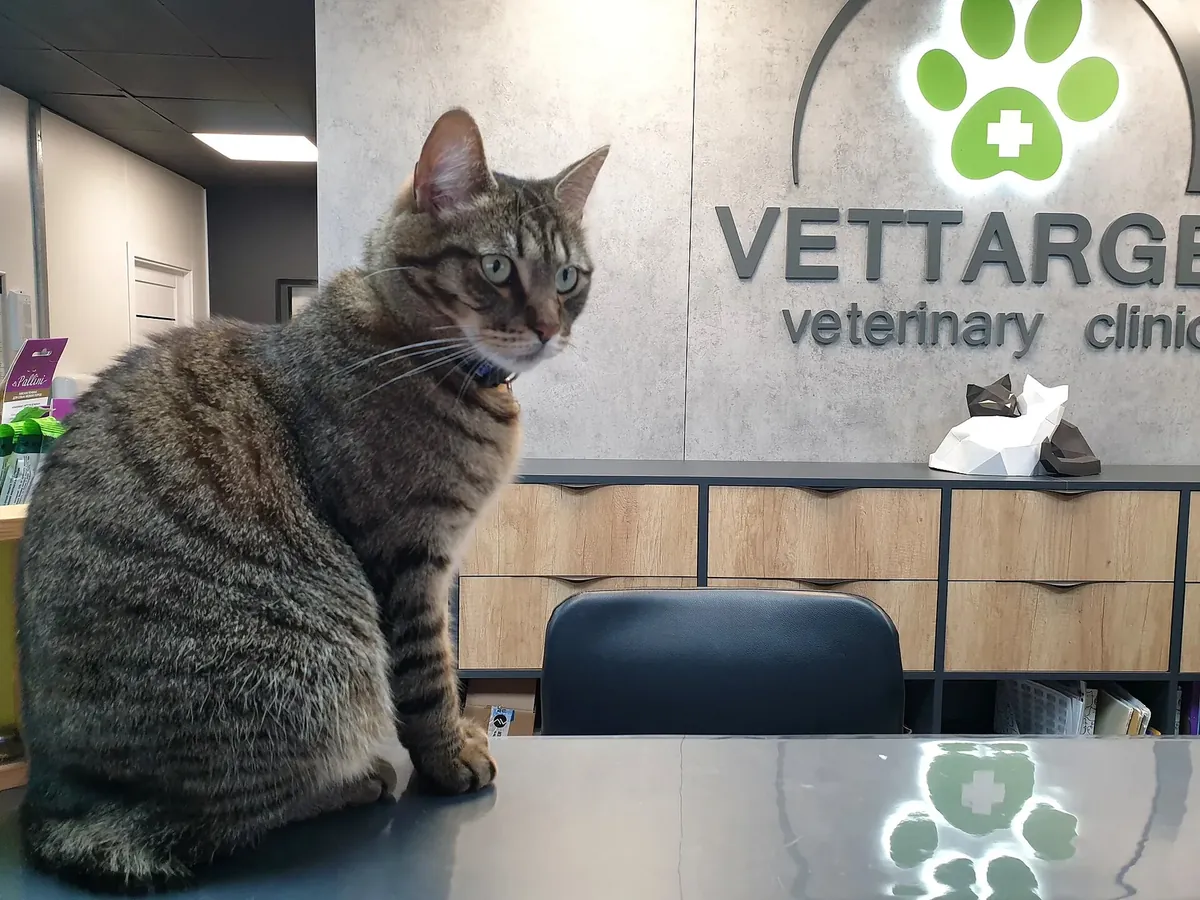
Understand routine veterinary care, adoption exams, records, vaccine conversations, and signs that should not wait.
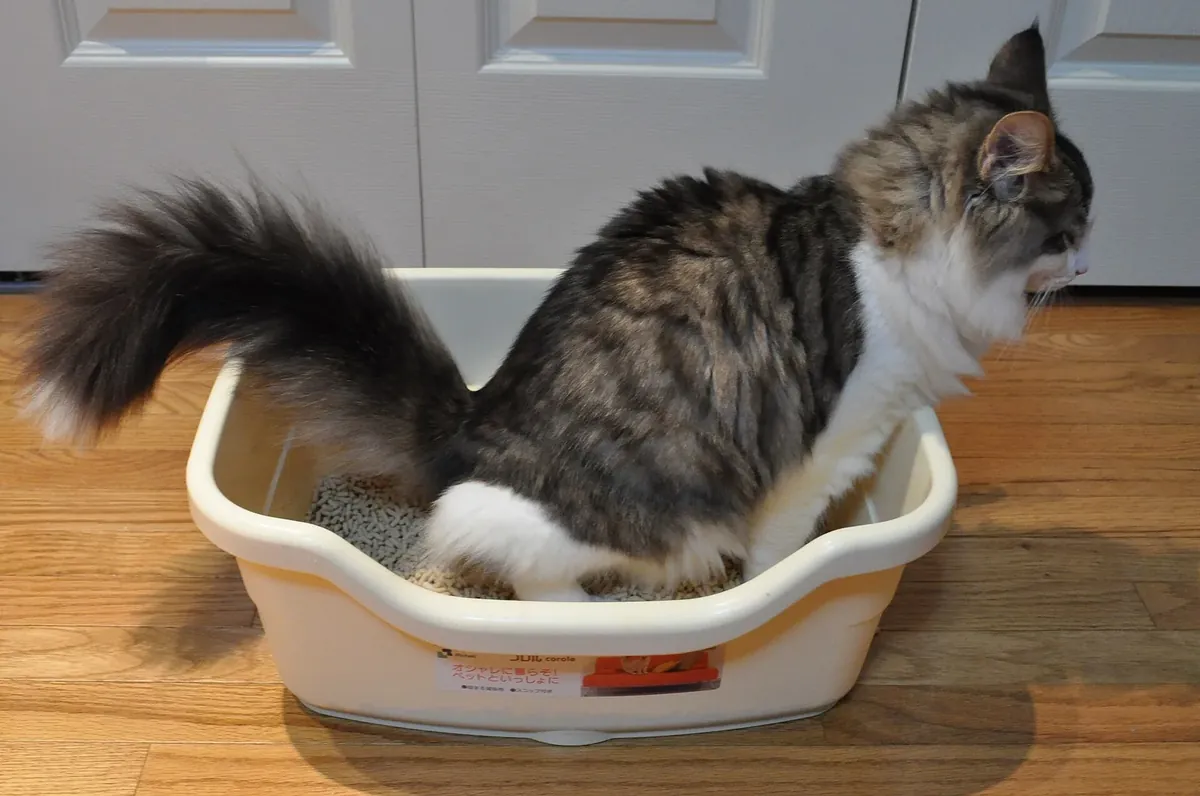
A cautious guide to litter box accidents, including urgent urinary red flags, setup checks, cleaning, and stress factors.
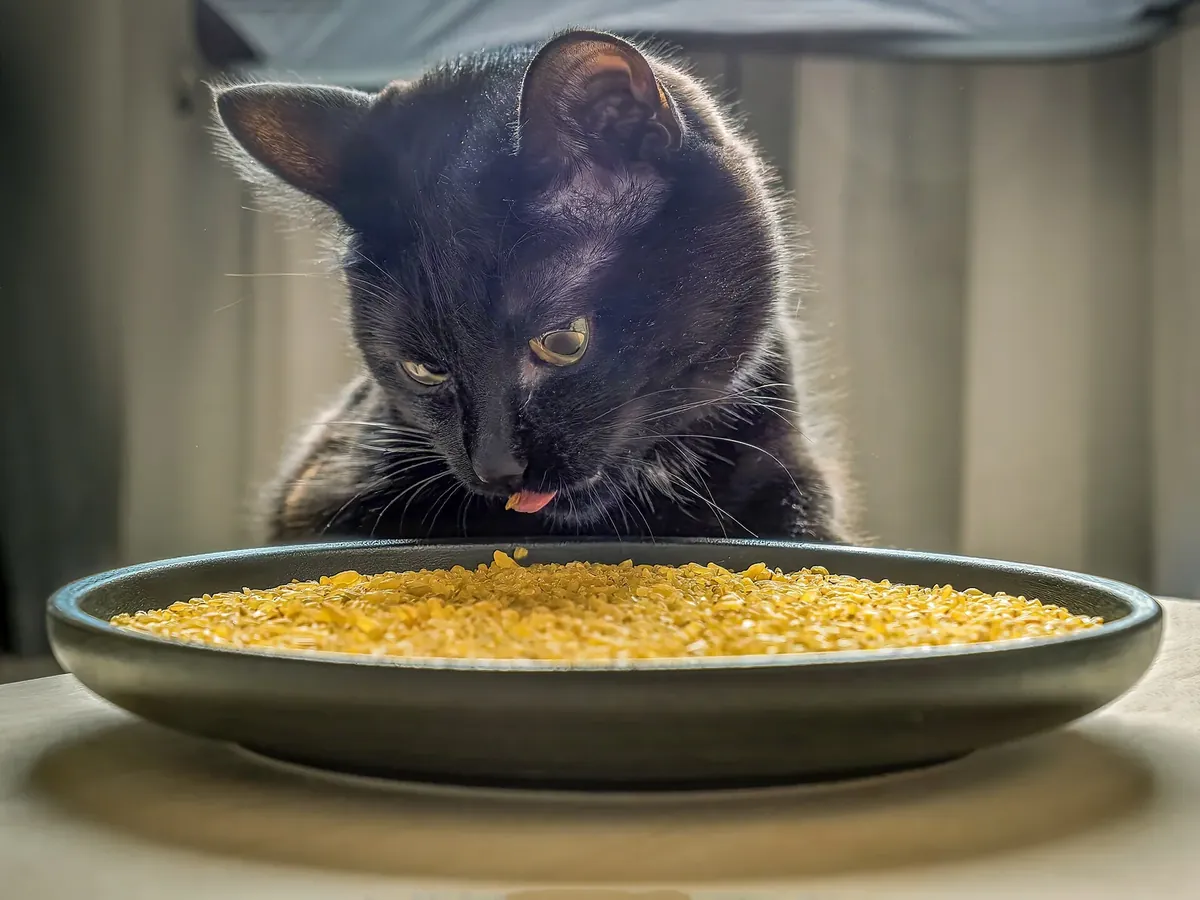
A calm appetite checklist for cats who skip food, including food changes, stress, nausea signs, and urgent veterinary boundaries.

A practical guide to hairballs, vomiting red flags, brushing routines, diet conversations, and when to call a veterinarian.