Indoor Cat Enrichment Basics: Play, Climbing, Scratching, and Choice
A practical enrichment guide for indoor cats, including play routines, food puzzles, scratchers, windows, and rest.
Tool
Build a balanced weekly plan for play, puzzle feeding, scratching, climbing, and rest.
The OSU Indoor Pet Initiative publishes a resource checklist for indoor cats rather than a single prescription: litter boxes, scratching outlets, resting areas, perches, toys, an identified prey preference, and somewhere to retreat to. A good enrichment plan simply makes sure none of those slots is empty in the week ahead.
| Pillar | What fills it | Common miss |
|---|---|---|
| Hunting & play | Wand sessions that copy stalking, chasing, pouncing | Playing until the cat is exhausted instead of ending on a catch |
| Puzzle feeding | Part of the daily ration scattered, hidden or in a feeder | All food in a bowl, which removes the search entirely |
| Scratching | A post or pad where the cat already stretches | One small post in a corner nobody uses |
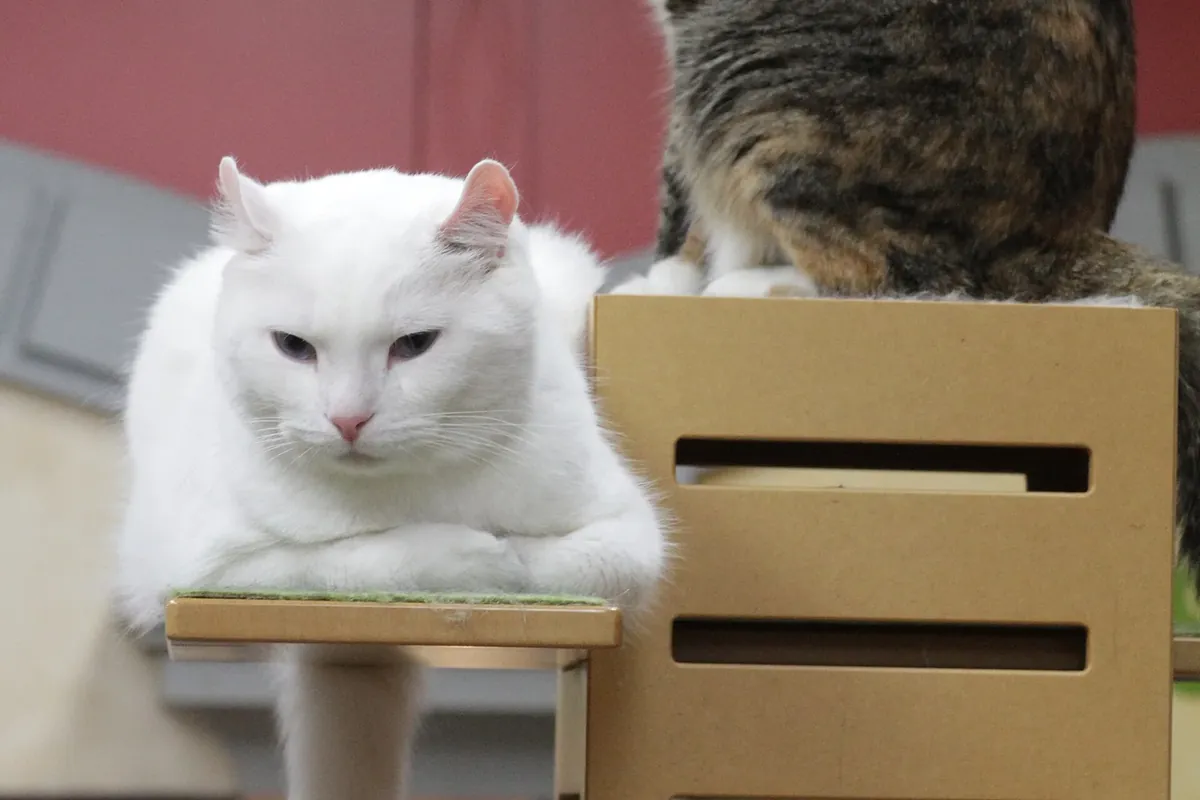
| Climbing & perches | Something tall with a view, ideally near a window | Floor-level toys only |
| Rest & refuge | A quiet box, crate or covered bed away from traffic | Every hiding spot blocked off “for safety” |
Timing matters as much as contents. International Cat Care lists the signals of a cat in a playful mood — spontaneous play with objects, sudden erratic movement, eyes locked on something, a stalking crouch, a visible rise in energy — and those are the windows worth using rather than a fixed clock. Two short sessions that fit the cat beat one long session that does not.
Build the plan around the enrichment basics if this is your first pass, and pair it with a daily play routine once you know which movement your cat actually chases.
Sources: Basic Indoor Cat Needs (resource checklist, perches, toys, prey preference) and Playing with your cat (play signals and why indoor cats need stimulation).
Use the result as a starting point for observation and planning. Cats vary by age, body condition, temperament, medical history, and household setup.
A practical enrichment guide for indoor cats, including play routines, food puzzles, scratchers, windows, and rest.
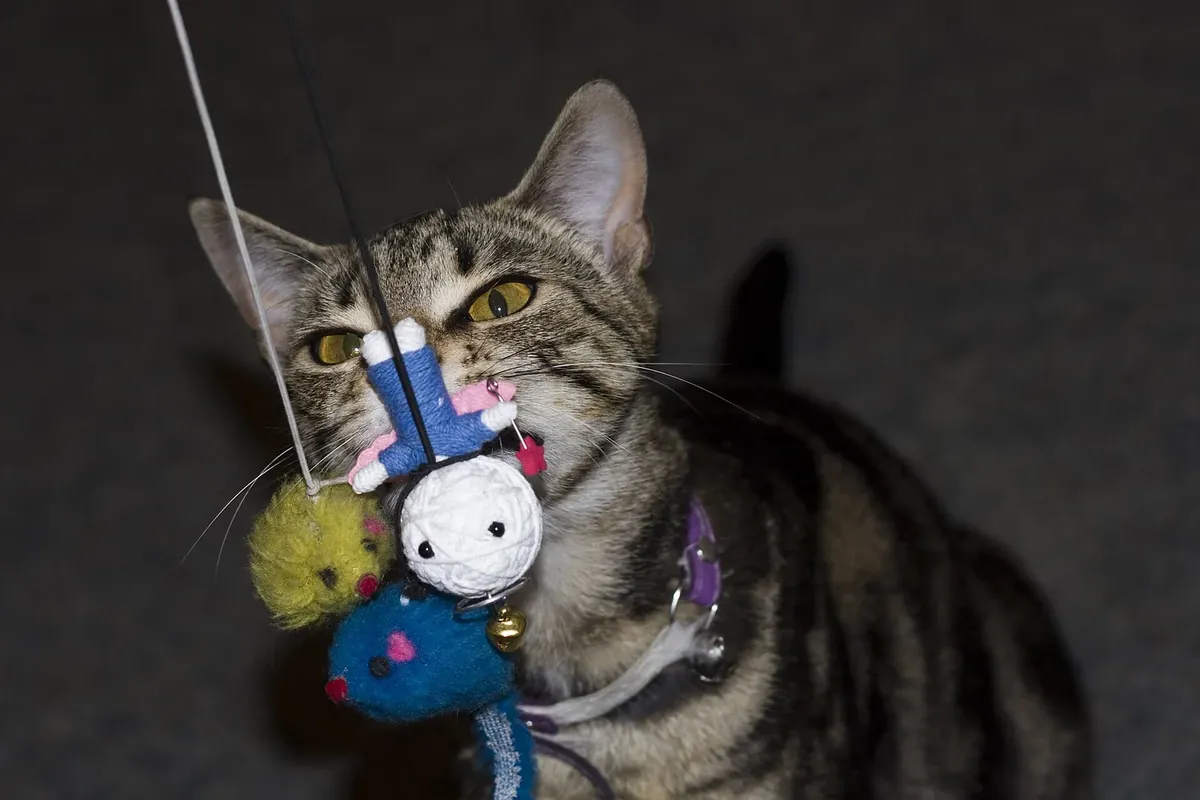
Design a simple daily play routine around your cat's energy, favorite prey style, schedule, and wind-down needs.

Troubleshoot nighttime meowing with health checks, play timing, feeding rhythm, boredom, and reinforcement patterns.