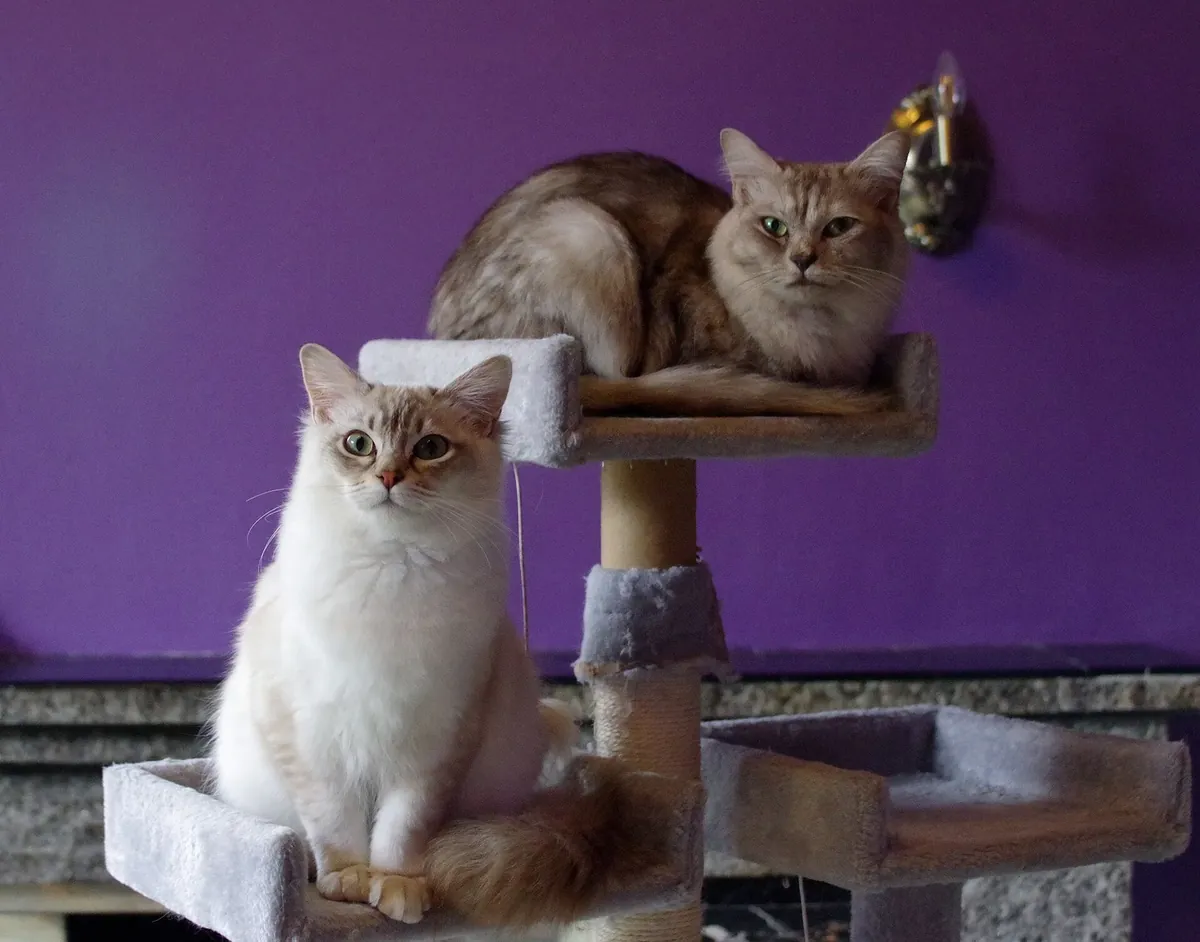
How to Set Up a Cat-Friendly Home Without Overcomplicating It
Create a cat-friendly home with separated resources, vertical space, scratching options, quiet retreats, and predictable routines.
Tag
Articles and resources connected to enrichment.
Enrichment is not a toy cupboard, it is the set of outlets a cat would otherwise have to find for itself outdoors. Five of them cover most of it: something to hunt with (wand play, food puzzles), something to climb, something to scratch, somewhere to hide, and somewhere high to watch from. Ohio State's indoor-cat checklist formalises the same idea as resources — resting places, perches, scratching surfaces and play — and notes that cats differ in prey preference, so the cat that stalks is not the cat that ambushes.
International Cat Care frames the home itself as the enrichment: a cat-friendly home should be both safe and stimulating, and the guidance applies to every pet cat, not only those kept indoors permanently. In practice that means spreading the outlets around the house rather than clustering them in one corner, so the cat has a reason to move and a choice about where to be.
Rotation keeps novelty without new purchases: swap two or three toys out each week, move a perch to a different window, and change where the food puzzle appears. A cat that ignores a puzzle for a month may take to it immediately once it is placed in a doorway the cat already crosses. Build the plan with indoor enrichment basics, the enrichment plan generator, and the enrichment planner.
Sources: Ohio State Indoor Pet Initiative — Basic Indoor Cat Needs, International Cat Care — Making your home cat friendly.
Create a cat-friendly home with separated resources, vertical space, scratching options, quiet retreats, and predictable routines.
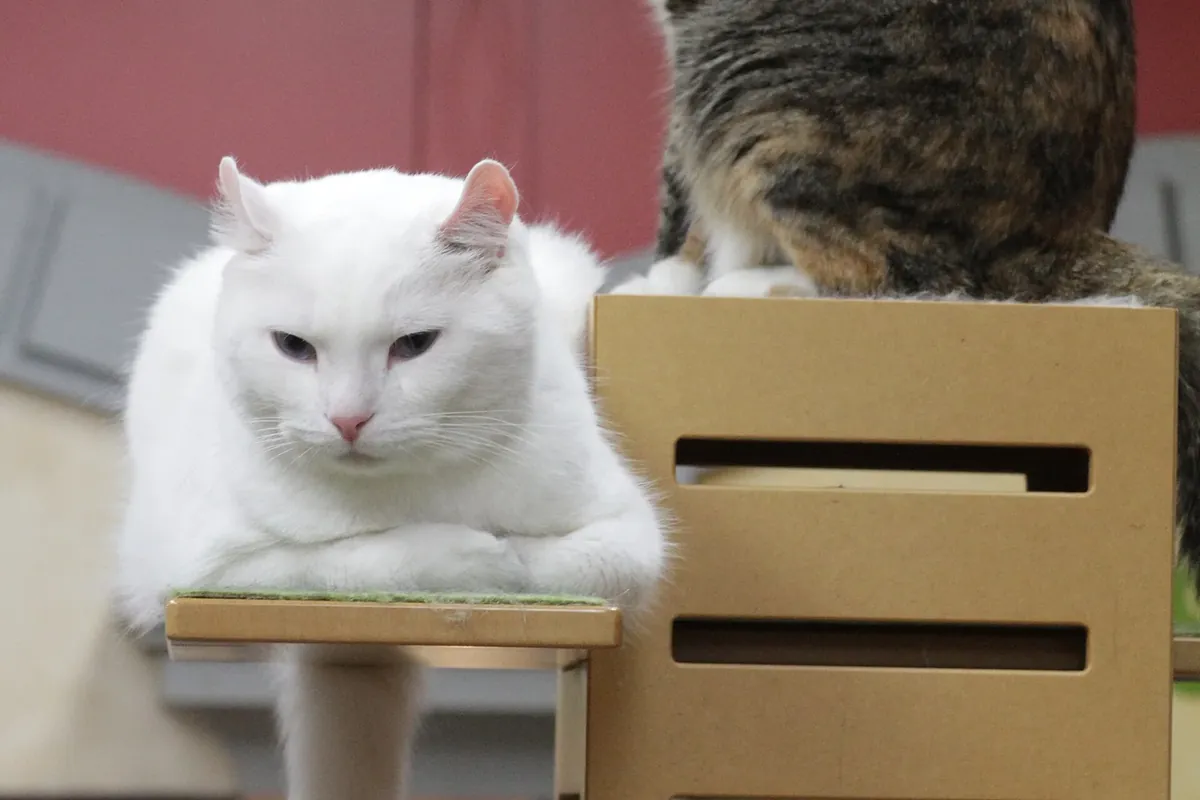
A practical enrichment guide for indoor cats, including play routines, food puzzles, scratchers, windows, and rest.
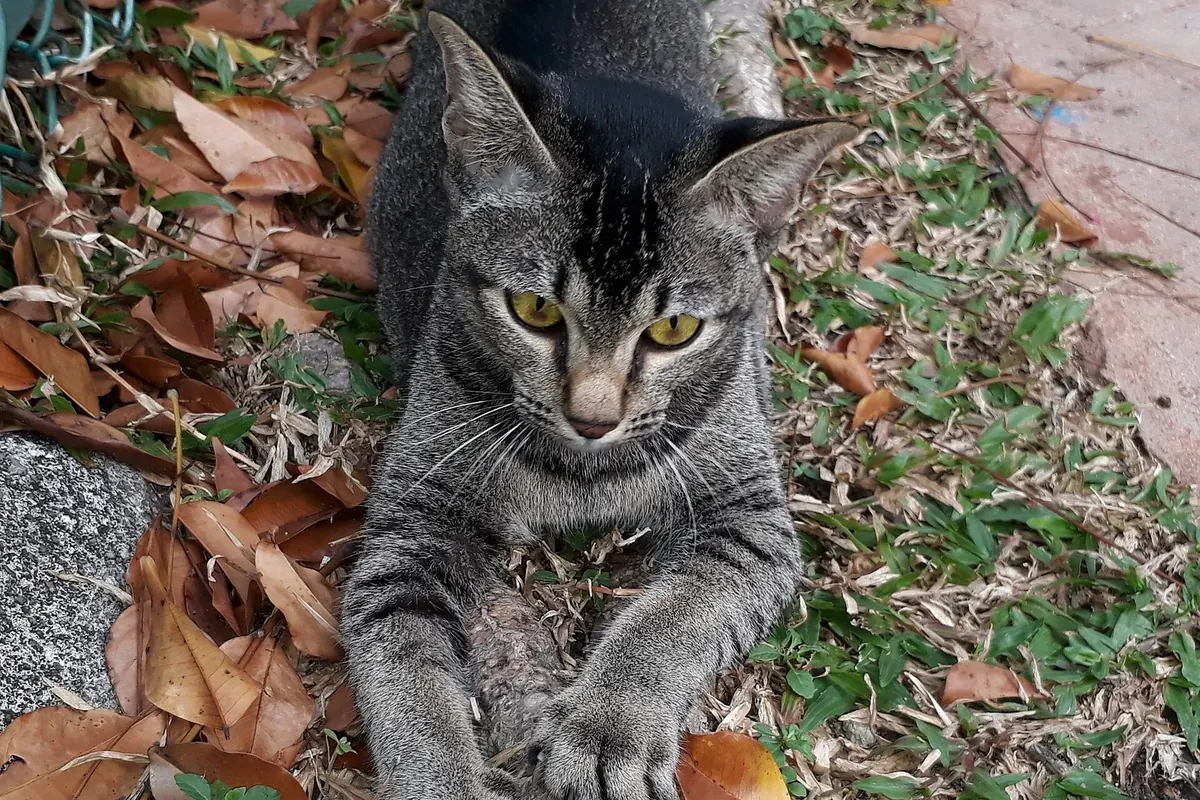
A humane furniture scratching plan that gives cats better scratch options and protects furniture while new habits form.
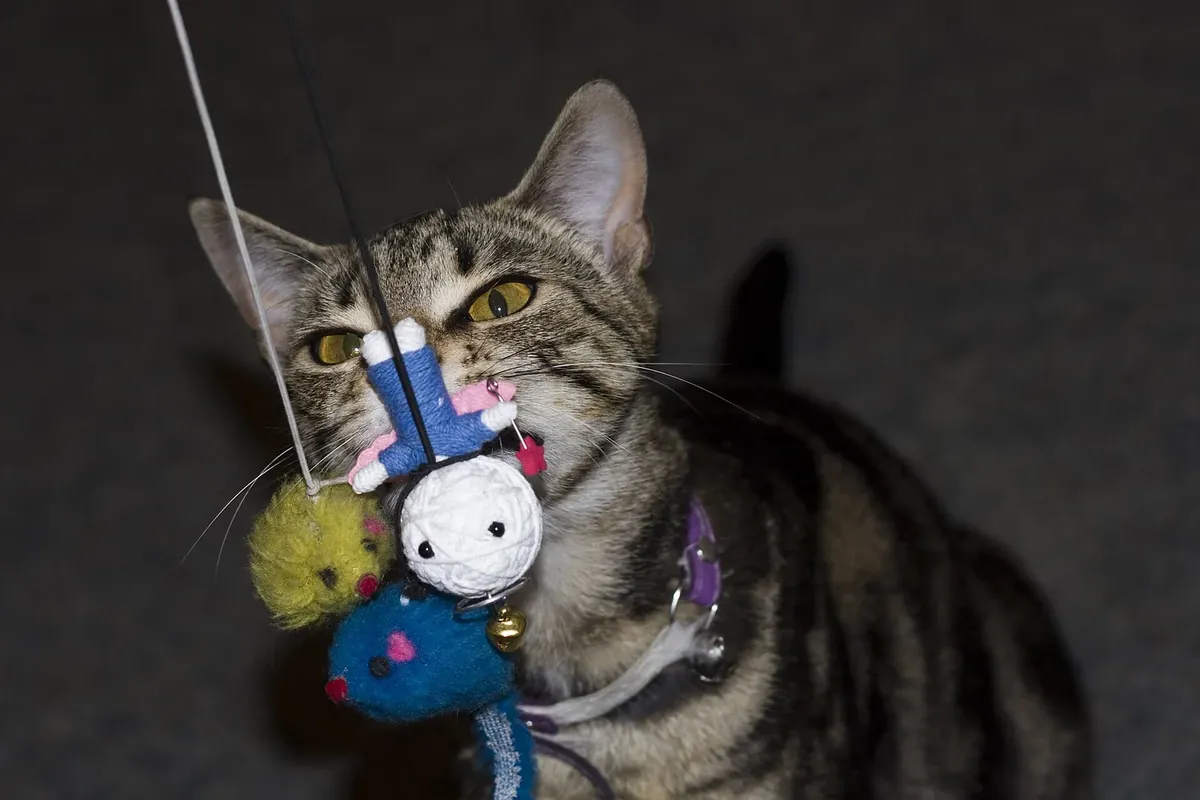
Design a simple daily play routine around your cat's energy, favorite prey style, schedule, and wind-down needs.