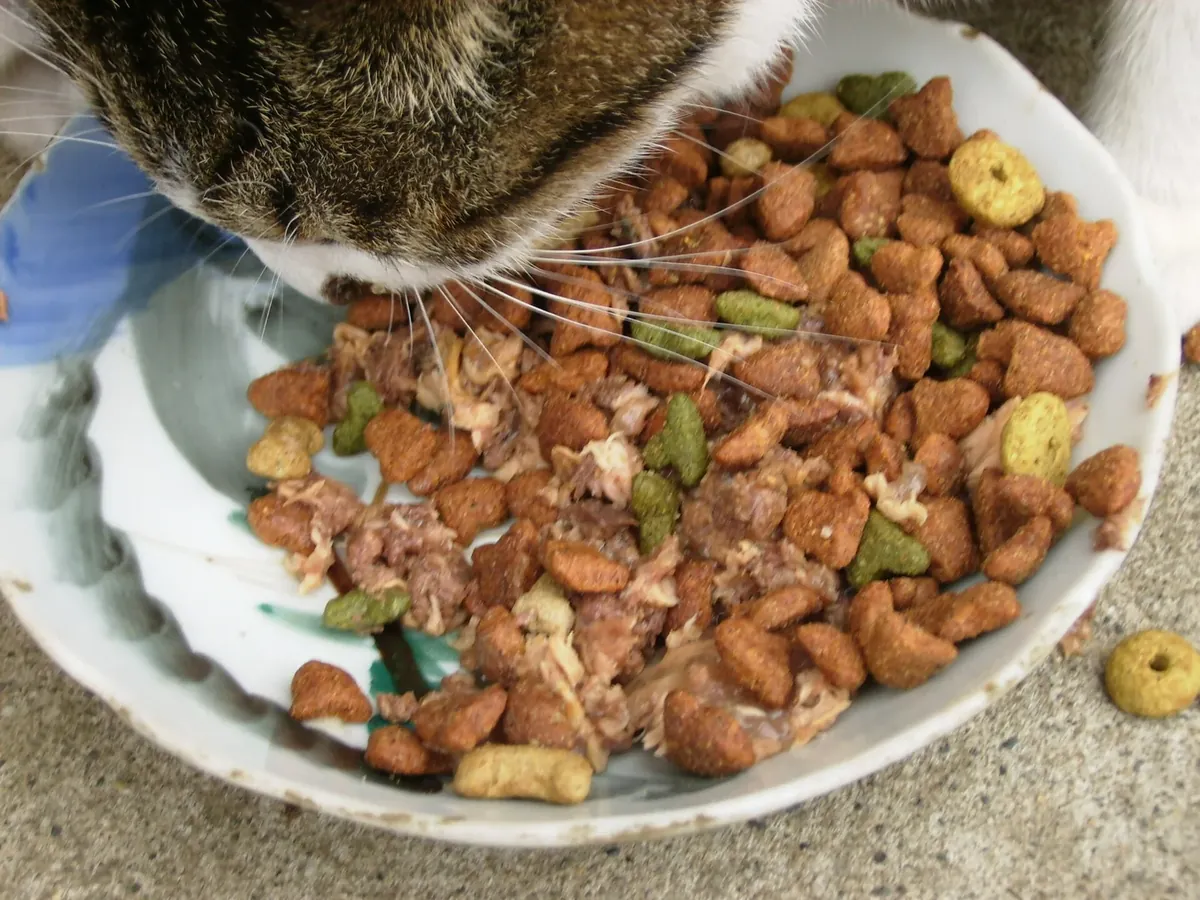
How to Transition Cat Food Without Upsetting the Routine
A gradual cat food transition plan with practical pacing, appetite checks, and what to do if your cat refuses the new food.
Tag
Articles and resources connected to how to.
Every how-to on this site is built the same way, because the method matters as much as the steps. One change at a time, introduced at the cat's pace, with the reward arriving while the cat is still calm and in position rather than after it has walked away. That is not a stylistic choice: International Cat Care lists change in routine and lack of control among the things cats find genuinely stressful, and a plan that stacks three new things into one evening is a plan the cat is likely to opt out of.
So a trim, an introduction or a new feeding arrangement gets broken into repetitions that each end before the cat is finished with them. First sessions run under a couple of minutes. A step the cat already finds easy is the note to end on, and the same lesson is repeated across days instead of being pushed to completion in one sitting.
Two habits make the difference between a routine that holds and one that collapses in week two: keep the reward immediate, and treat a refusal as data rather than defiance — a cat that suddenly won't cooperate is often signalling discomfort or stress, and pain is a common reason a previously easy handling routine stops working. Start with trimming nails calmly, introducing two cats, or the weekly litter box routine.
Sources: International Cat Care — Stress in cats, International Cat Care — Taking your cat to the vet.
A gradual cat food transition plan with practical pacing, appetite checks, and what to do if your cat refuses the new food.
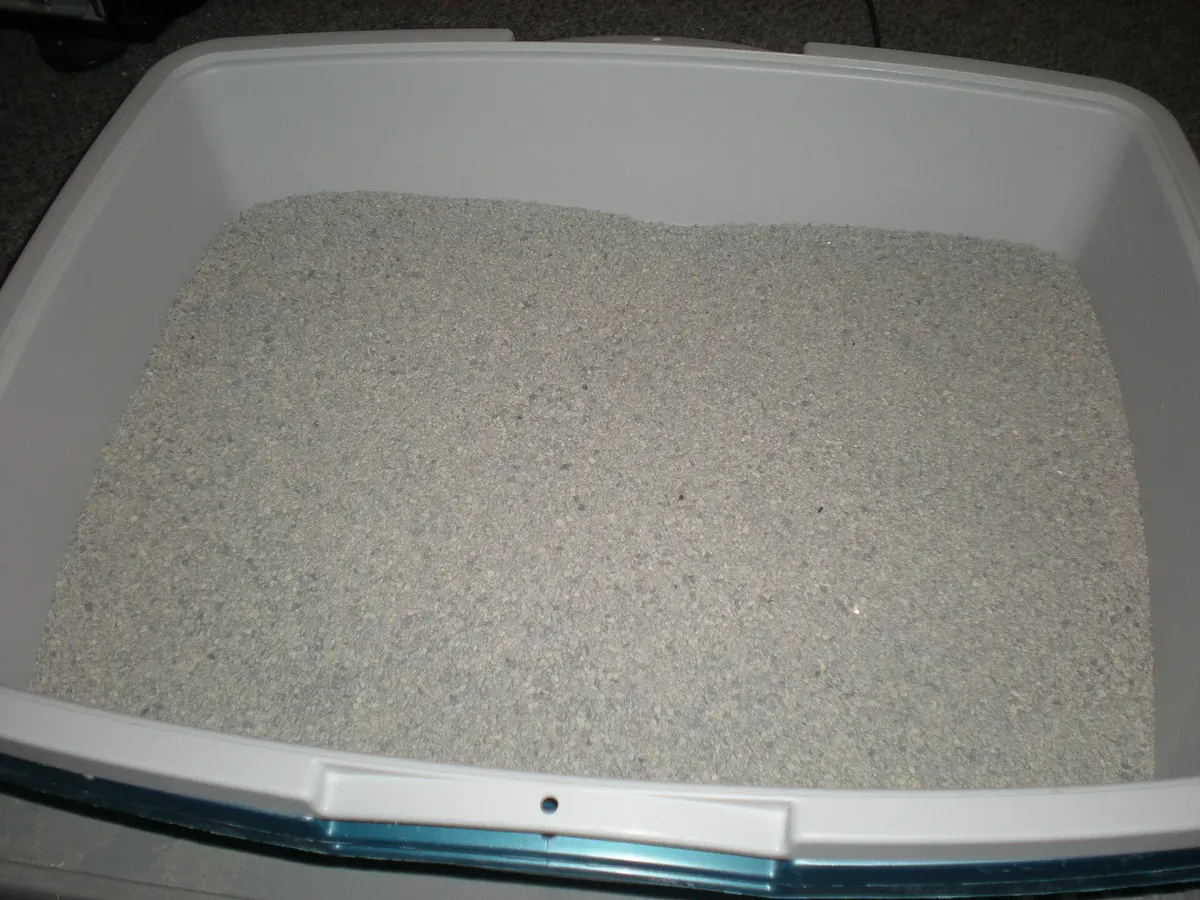
Build a litter box cleaning rhythm that controls odor, supports litter box use, and avoids harsh scents cats dislike.
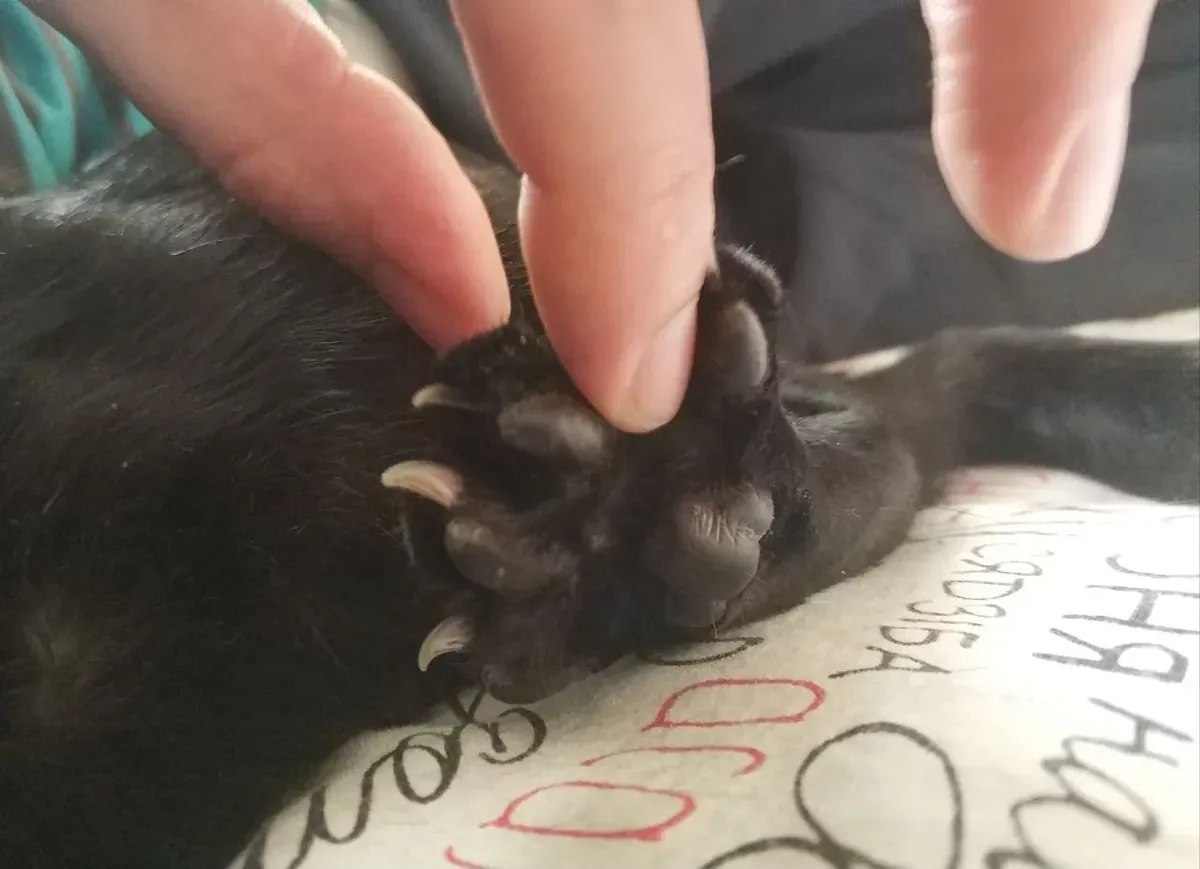
A gentle cat nail trim process using handling practice, good light, tiny sessions, and safe clipping technique.