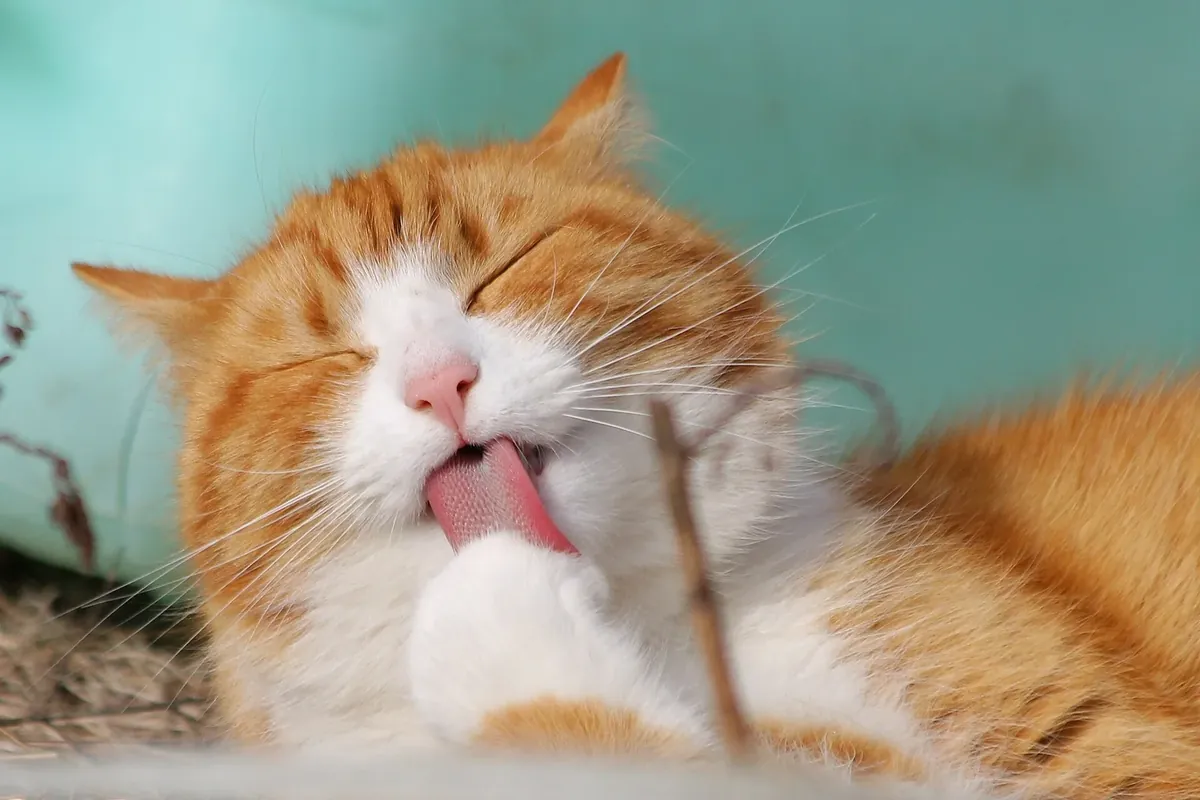
Cat Grooming Basics: Brushing, Nails, Teeth, and Coat Checks
A low-stress grooming primer for brushing, nail checks, teeth basics, handling practice, and when mats need help.
Tag
Articles and resources connected to nail trimming.
Claws grow continuously, and indoor cats do not wear them down the way an outdoor cat does, so trimming is routine rather than remedial. The mechanics are simple — press the toe gently to extend the claw, take the clear hooked tip only, and stay well clear of the pink quick inside. The hard part is the handling, and handling is trainable.
Build tolerance the way you would build any other routine: one paw, one claw, a treat, done. International Cat Care's list of discomfort signals applies directly here — skin twitching, a sharp head turn, ears rotating back, freezing, lip-licking — and any of them ends the session. Front claws usually need attention before back claws, and a cat that is sore, elderly or has been missing the litter box deserves a vet conversation, because claws that have grown into the pad are a pain problem, not a trimming problem.
See the calm trim guide, grooming basics and the grooming and hygiene category.
For the mechanics, work in good light and take a series of small cuts rather than one confident one. On a pale claw the quick is visible as a pink line inside the shell, and the safe cut sits well ahead of it. On dark claws you cannot see the quick, so trim only the clear hooked tip and check again in a couple of weeks — a cat trimmed slightly too short once will resist the next attempt, and rebuilding that trust takes longer than the claw takes to grow.
Start with a single claw if that is all the cat will allow today. Front claws tend to need attention more often than back claws, kittens usually need less than adults, and a senior cat whose claws catch in carpet may need a hand more often rather than less.
A low-stress grooming primer for brushing, nail checks, teeth basics, handling practice, and when mats need help.
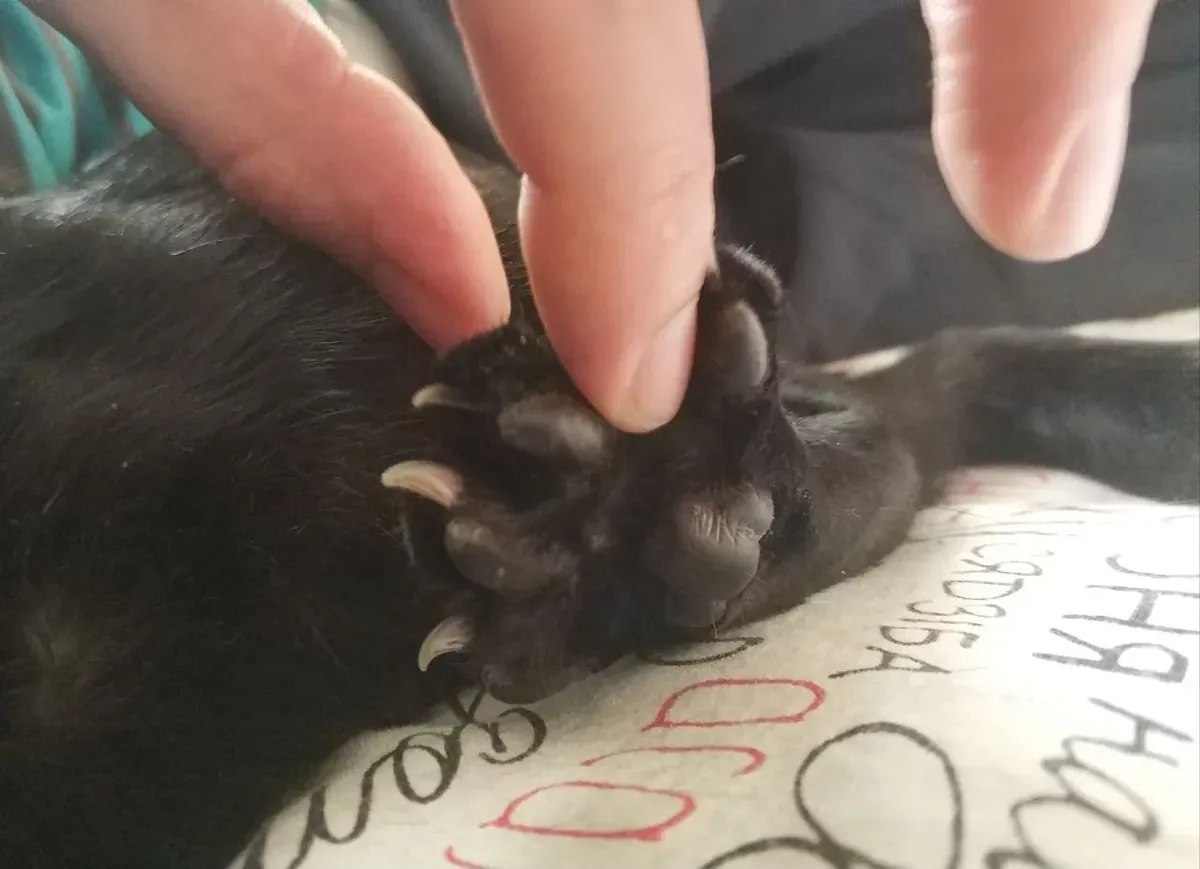
A gentle cat nail trim process using handling practice, good light, tiny sessions, and safe clipping technique.