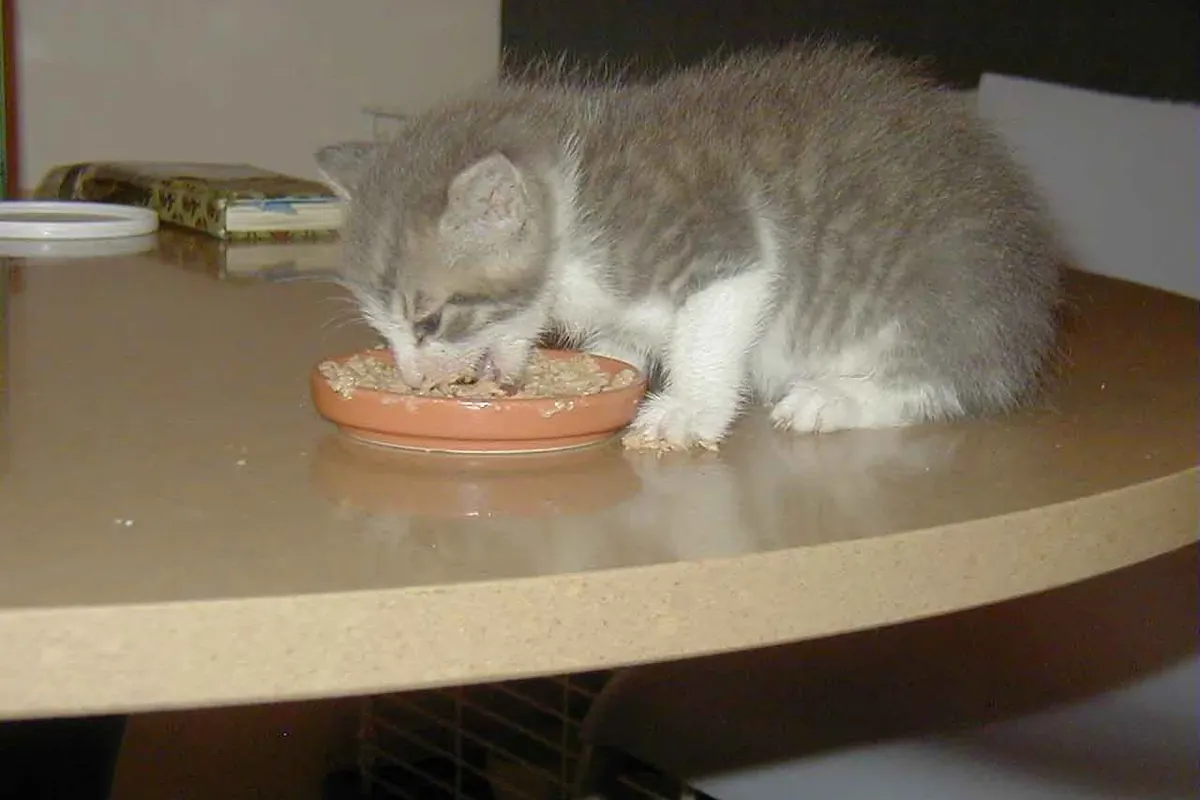
What to Feed a Cat: A Beginner's Guide to Meals, Water, and Treats
A beginner-friendly overview of complete cat food, wet versus dry food, treats, water placement, and food changes.
Tag
Articles and resources connected to nutrition.
Cats are obligate carnivores — Cornell's Feline Health Center is direct that their nutrition has to come from animal tissue, in the proportions of a hunter's diet: high protein, moderate fat, minimal carbohydrate. Taurine, which cats cannot synthesise in sufficient amounts, is the classic example of why that matters; it has to come from animal-origin food and it protects heart and eye health.
At the bowl, three checks cover most decisions. Does the label carry an AAFCO nutritional guarantee, and does the named life stage match your cat? Are animal proteins among the first ingredients, which are listed by decreasing weight? And how much of the day's calories is coming from treats — Cornell's ceiling is 10-15%, and the ASPCA puts it at 5% for kittens? Supplements are not a shortcut; Cornell advises against adding vitamins or minerals without a vet's approval on an otherwise complete diet.
See the beginner feeding guide, the food transition plan and the feeding and nutrition category.
Feeding style is the last piece of the puzzle. Free-feeding dry food makes it hard to notice a small drop in appetite, since the bowl is topped up before the trend is visible; measured meals show you the change on day one. Cornell also notes that cats can be choosy about where they eat — a noisy spot, a busy walkway, a dirty bowl or a litter box in the same corner can suppress eating as effectively as an unappetising food.
Sources: Cornell Feline Health Center — Feeding Your Cat, ASPCA — Cat Nutrition Tips.
A beginner-friendly overview of complete cat food, wet versus dry food, treats, water placement, and food changes.
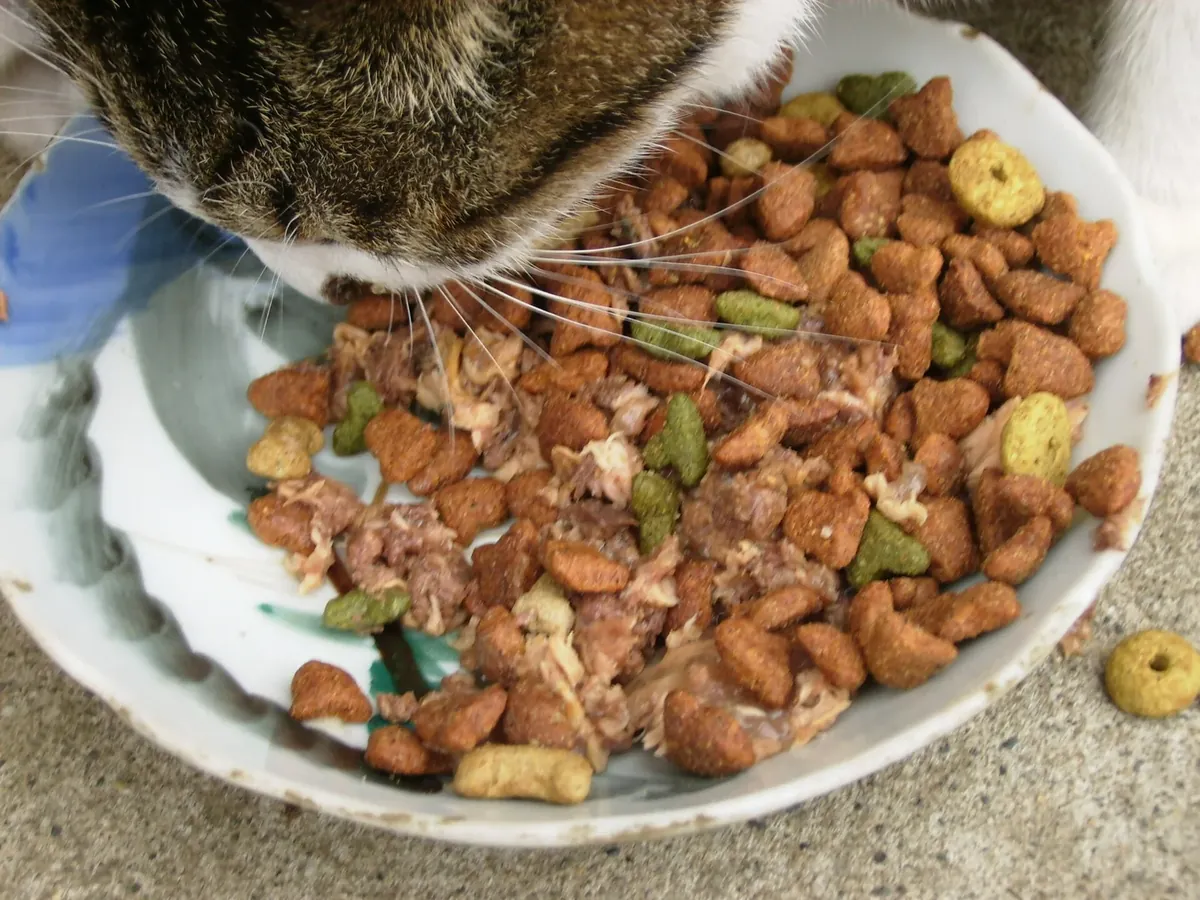
A gradual cat food transition plan with practical pacing, appetite checks, and what to do if your cat refuses the new food.