
Bringing Home a New Cat: A Gentle First 72-Hour Plan
A step-by-step first three days plan for helping a new cat decompress, eat, explore, and trust the household.
Tag
Articles and resources connected to stress.
Stress is the quiet variable behind a lot of what gets labelled behaviour. International Cat Care is explicit that stress plays a significant part in most common cat behaviour problems and in some diseases, and that cats rarely advertise it — the early signs are usually withdrawal and going quiet rather than anything dramatic. A large share of domestic stress comes from other cats: sharing litter trays, food and water bowls, scratching posts, beds and toys with a cat they do not get on with is a genuine source of competition even when nothing looks like a fight.
The visible consequences are things people notice separately — over-grooming in symmetrical patches on the belly, flanks or inner hind legs, soiling outside the tray, appetite changes, hiding, night vocalising. International Cat Care's advice on soiling indoors sets the tone for all of them: the behaviour is a signal that the cat is unwell or stressed, and punishment makes it worse by adding fear to a problem that already has a cause.
What usually helps is predictability and control: fixed feeding and play times, one of every resource per cat in a different location, a high place the cat can retreat to, and a slow pace for anything new. Where a behaviour change is sudden or the cat looks unwell, the medical side comes first — pain and illness both present as stress behaviour. Read helping a shy cat settle in, cat body language, and peeing outside the litter box next.
Sources: International Cat Care — Stress in cats, International Cat Care — Over-grooming in cats.
A step-by-step first three days plan for helping a new cat decompress, eat, explore, and trust the household.

Learn how to read common cat body language signals so you can respond with less pressure and more trust.

A slow cat introduction plan using separation, scent, feeding distance, visual access, and supervised meetings.
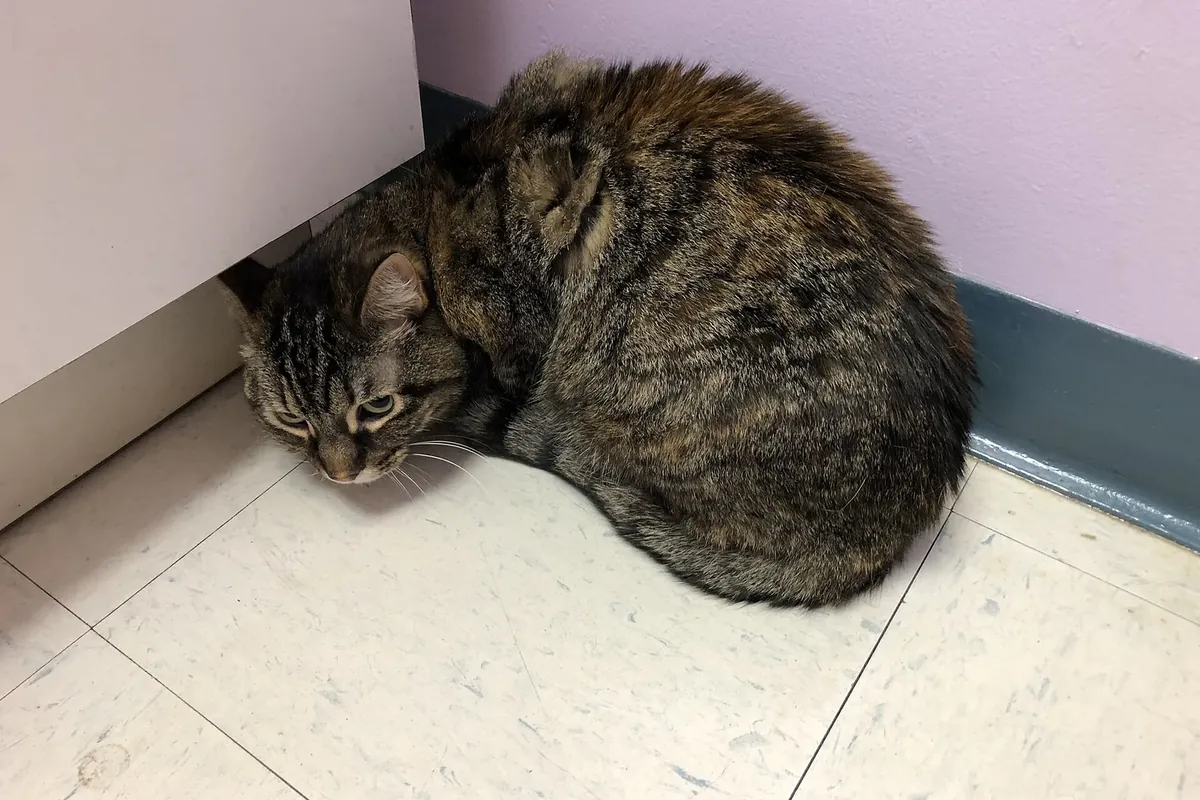
A gentle plan for shy cats using safe rooms, predictable visits, low-pressure play, scent, and patience.

Troubleshoot nighttime meowing with health checks, play timing, feeding rhythm, boredom, and reinforcement patterns.
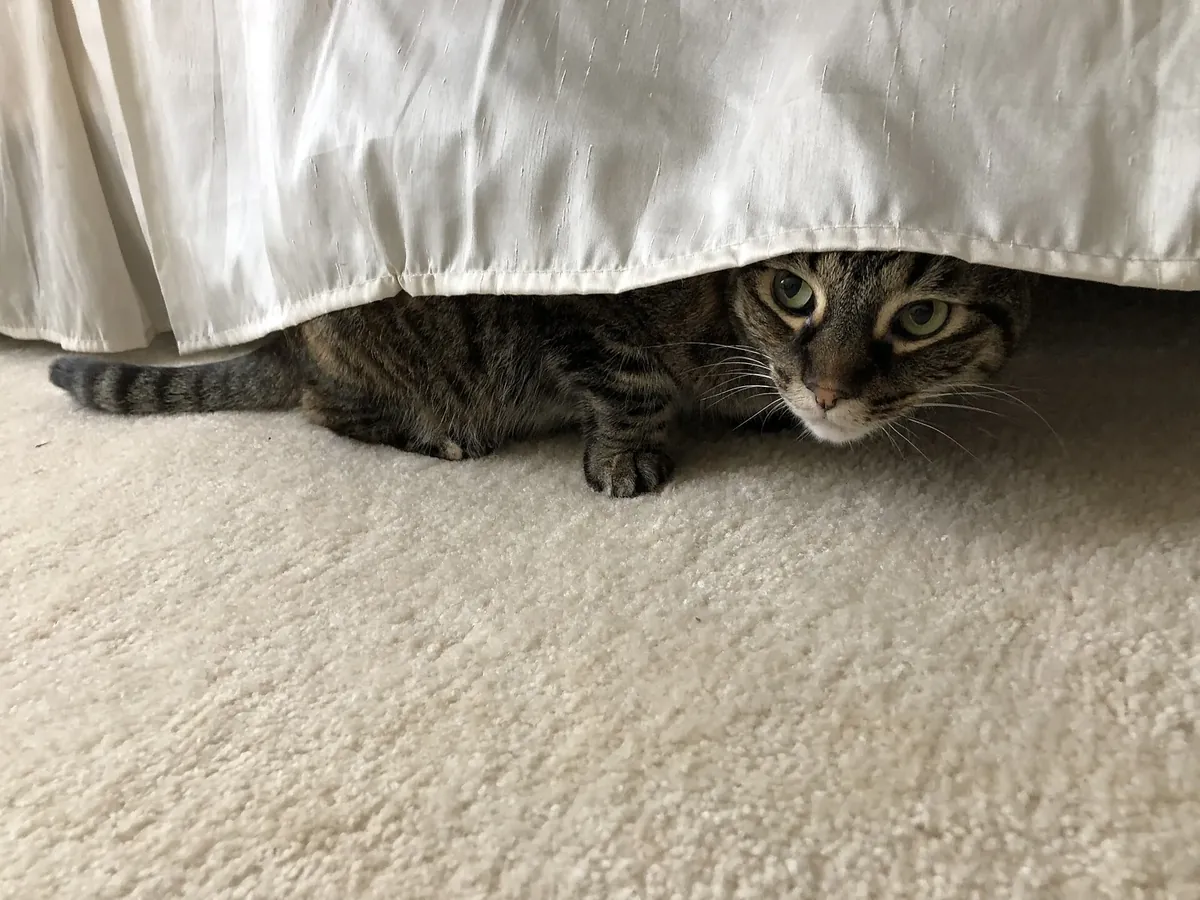
Understand normal adoption hiding, create safer hiding options, track food and litter, and know when hiding needs help.