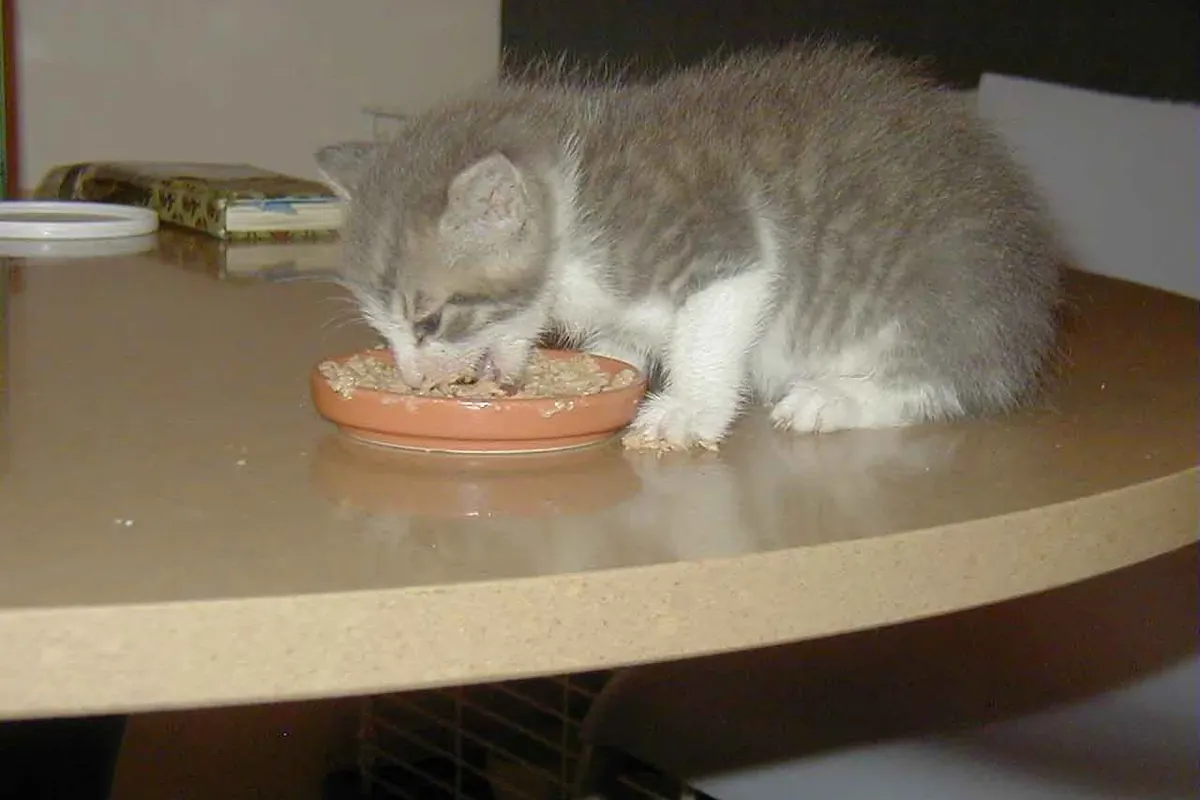
What to Feed a Cat: A Beginner's Guide to Meals, Water, and Treats
A beginner-friendly overview of complete cat food, wet versus dry food, treats, water placement, and food changes.
Tool
Estimate a starting daily calorie range from weight, age, body condition, and activity.
Cats are obligate carnivores: Cornell Feline Health Center notes they rely on nutrients found only in animal products and evolved on prey that is high in protein, moderate in fat and low in carbohydrate. That is why the estimator starts from body weight and food type rather than from a scoop size — the same volume of food can carry very different calories and very different water.
| Food type | Water content | Practical note |
|---|---|---|
| Dry | 6–10% | Cheapest and can be left out, but adds little water to the diet |
| Semi-moist | ~35% | Mid-range cost; dries out once the pack is opened |
| Canned / wet | 75% or more | The most expensive, but a genuine dietary source of water |
Whatever the number says, confirm it against the cat. Vets score body condition on a nine-point scale where five is ideal, judged by feeling the ribs and looking for a waist from above; if the ribs are hard to feel, the portion is too generous regardless of what the calculator printed. Fresh water should be available at all times, and Cornell advises against supplements unless a veterinarian has approved them.
Use this alongside the beginner feeding guide for label reading, and switching foods if you are changing diet — abrupt swaps are the usual cause of a settled cat going off its food. If your cat stops eating and is losing weight, that is a vet visit, not a portion adjustment: see cat not eating.
Sources: Feeding Your Cat (obligate carnivore nutrition, water content, body condition) and Cat Nutrition Tips (taurine, water as the most important nutrient).
Use the result as a starting point for observation and planning. Cats vary by age, body condition, temperament, medical history, and household setup.
A beginner-friendly overview of complete cat food, wet versus dry food, treats, water placement, and food changes.
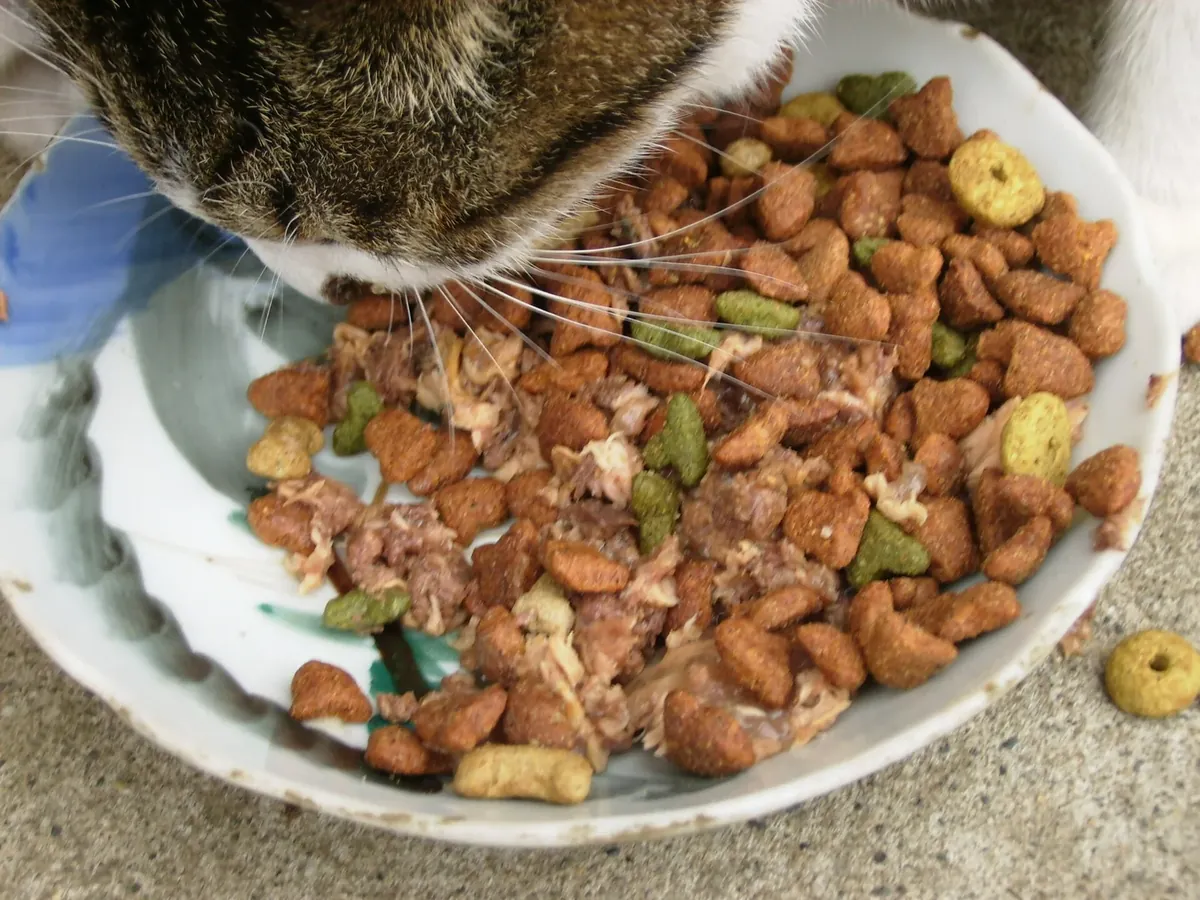
A gradual cat food transition plan with practical pacing, appetite checks, and what to do if your cat refuses the new food.
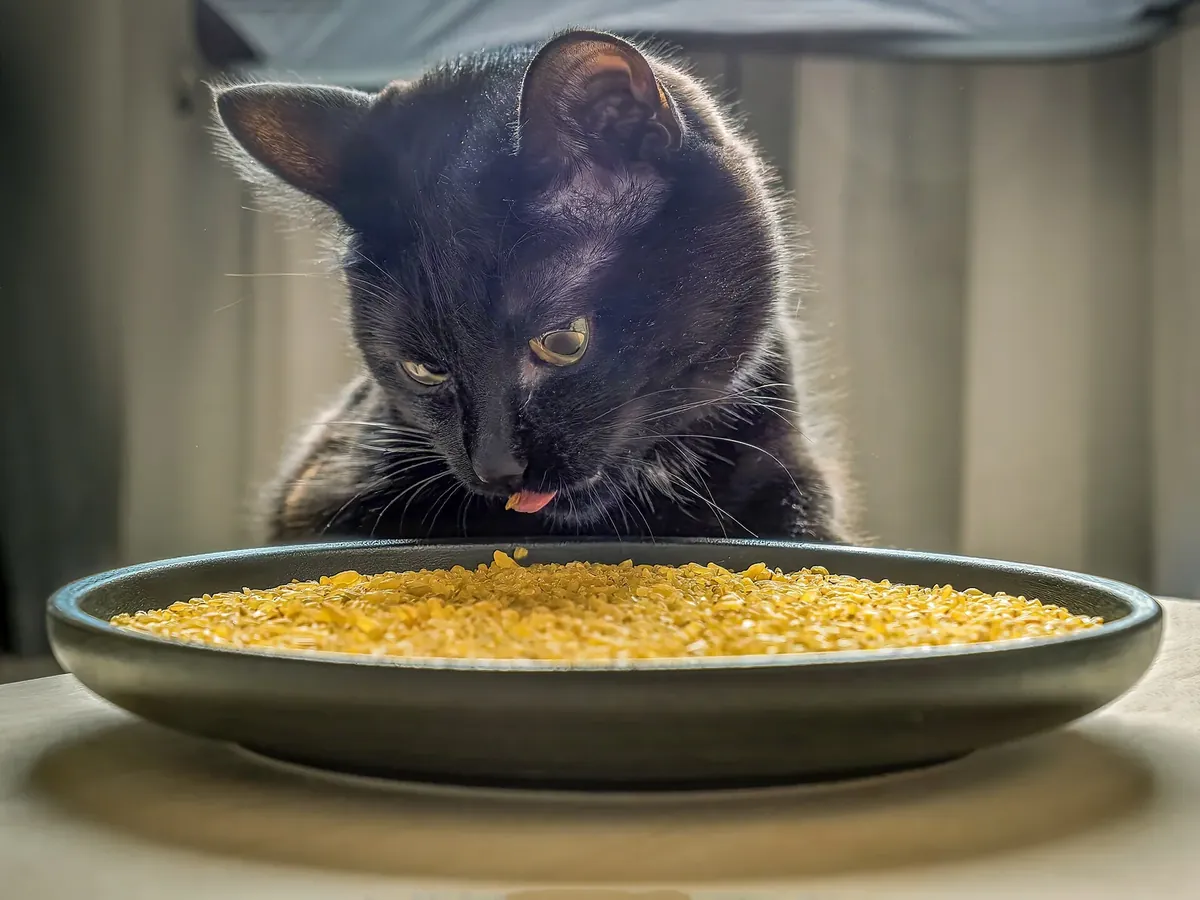
A calm appetite checklist for cats who skip food, including food changes, stress, nausea signs, and urgent veterinary boundaries.