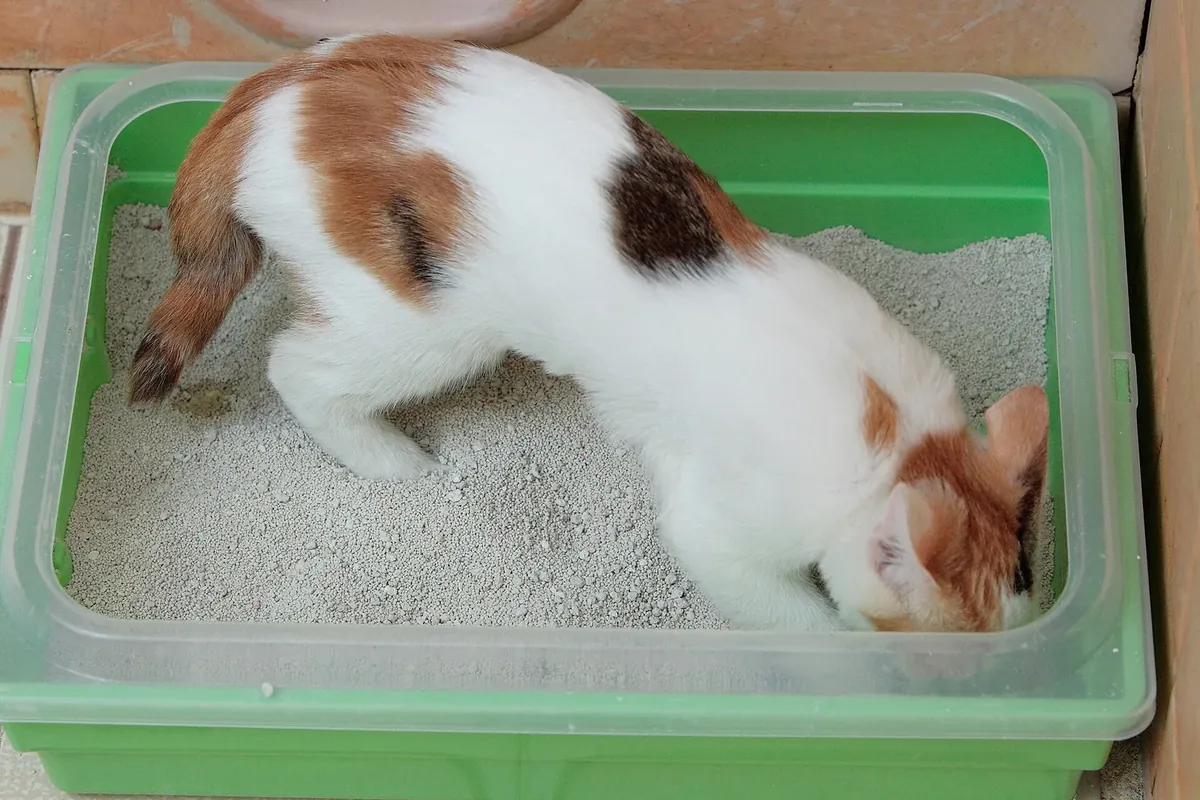
Litter Box Setup 101: Boxes, Litter, Placement, and Cleaning
Set up a litter box system cats are more likely to use: right size, right location, enough boxes, and simple cleaning habits.
Tool
Plan box count, placement, and minimum tray size for one or more cats.
Toileting problems are usually setup problems, and International Cat Care is direct that issues such as house soiling and stress-related illness are more likely when a cat does not have optimum toileting facilities indoors. The planner above gives you a count and a placement; this section explains why those defaults are what they are.
| Decision | Working default | Why |
|---|---|---|
| How many trays | At least one per cat, cleaned daily — add a spare in multi-cat homes | The OSU checklist sets one per cat as the floor, not the target |
| Open or covered | Try open first; if covered, remove the flap | A closed tray holds odour in, and cats avoid a tray that already smells used |
| Size | Long enough to turn around and dig; large breeds need more | Small hooded trays leave big cats unable to position themselves properly |
| Position | Quiet corner, clear exit, away from food and water | A tray with one exit in a busy spot feels like a trap when other cats share the house |
| Litter depth & cleaning | Deep enough to dig; scoop at least daily | Cleanliness is the single most reliable predictor of use |
Once the setup is right, the routine is what maintains it — see litter box setup 101 for the full walkthrough and a realistic cleaning routine for the schedule. If a cat has already started going elsewhere, read cat peeing outside the litter box before changing anything else, because urinary problems need to be ruled out rather than managed with placement.
Sources: Choosing a litter tray for your cat (open vs covered trays, flaps, large breeds, soiling risk) and Basic Indoor Cat Needs (one box per cat, daily cleaning).
Use the result as a starting point for observation and planning. Cats vary by age, body condition, temperament, medical history, and household setup.
Set up a litter box system cats are more likely to use: right size, right location, enough boxes, and simple cleaning habits.
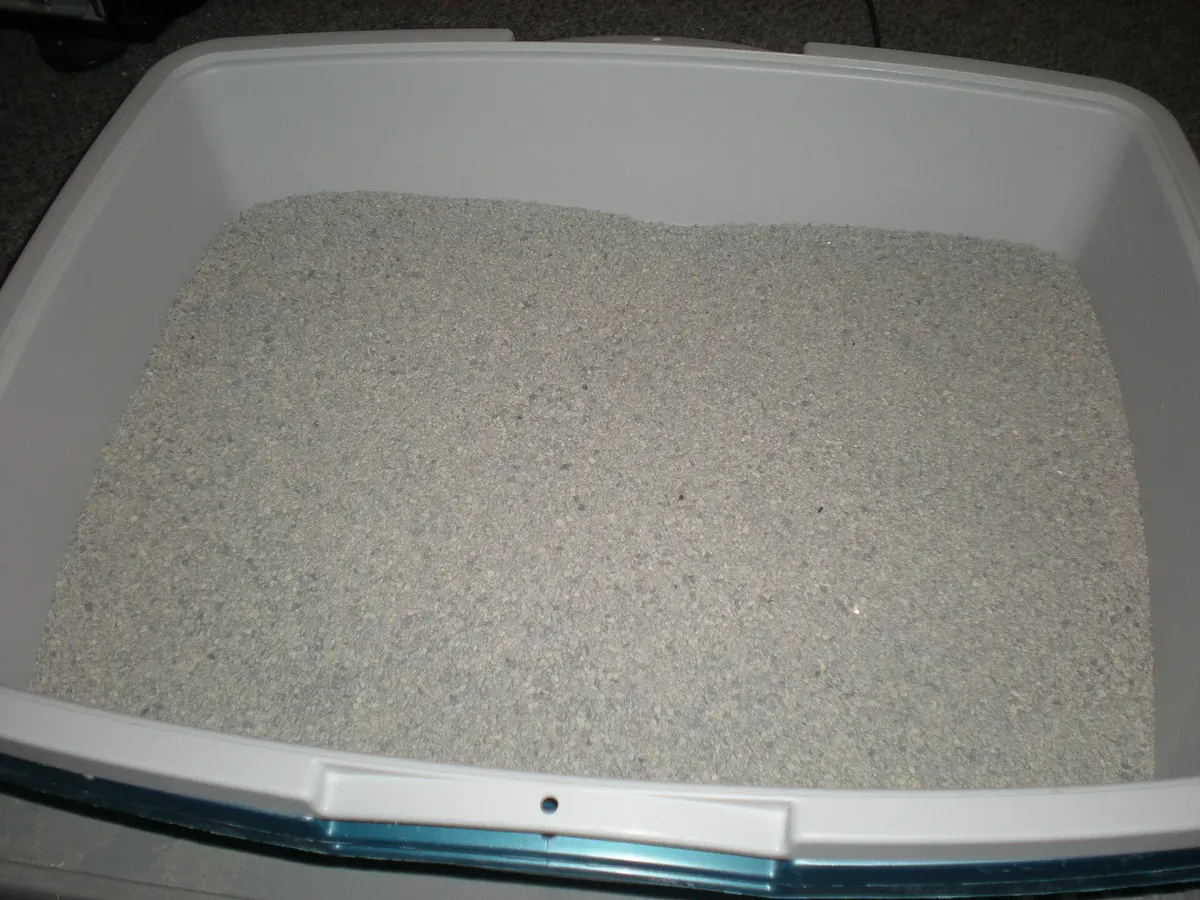
Build a litter box cleaning rhythm that controls odor, supports litter box use, and avoids harsh scents cats dislike.
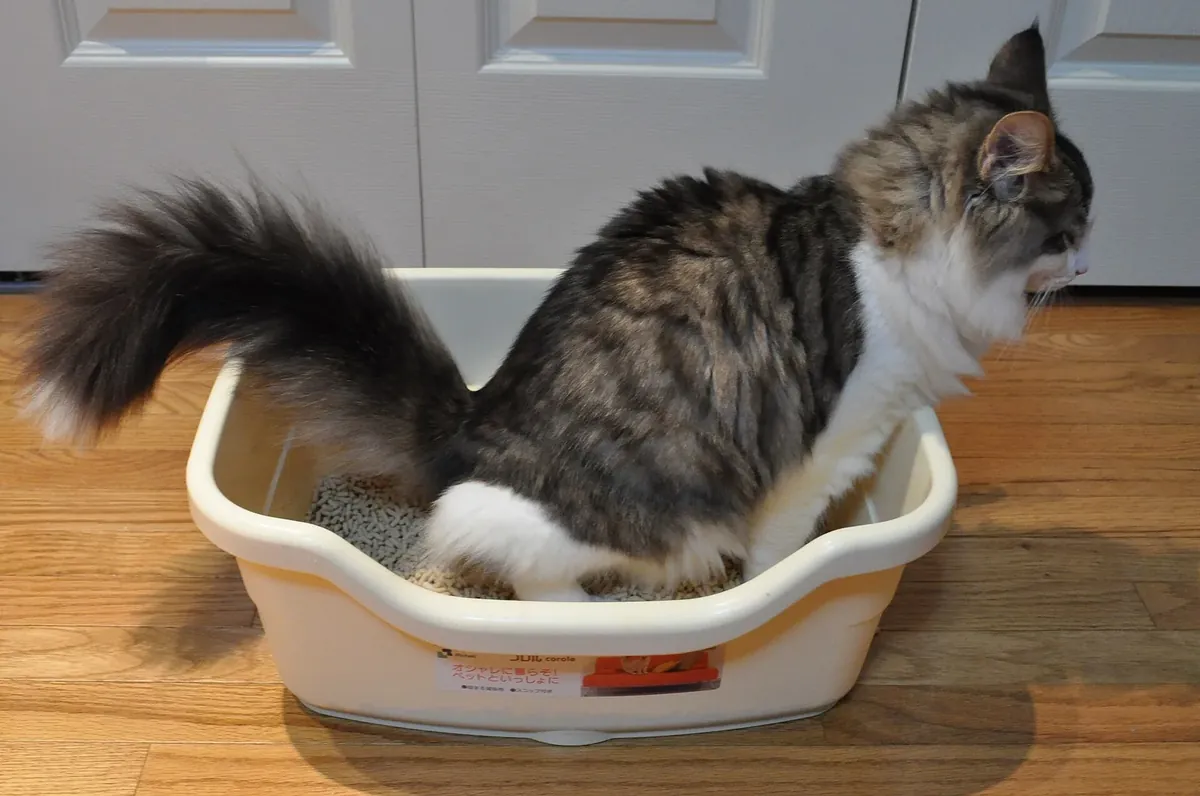
A cautious guide to litter box accidents, including urgent urinary red flags, setup checks, cleaning, and stress factors.