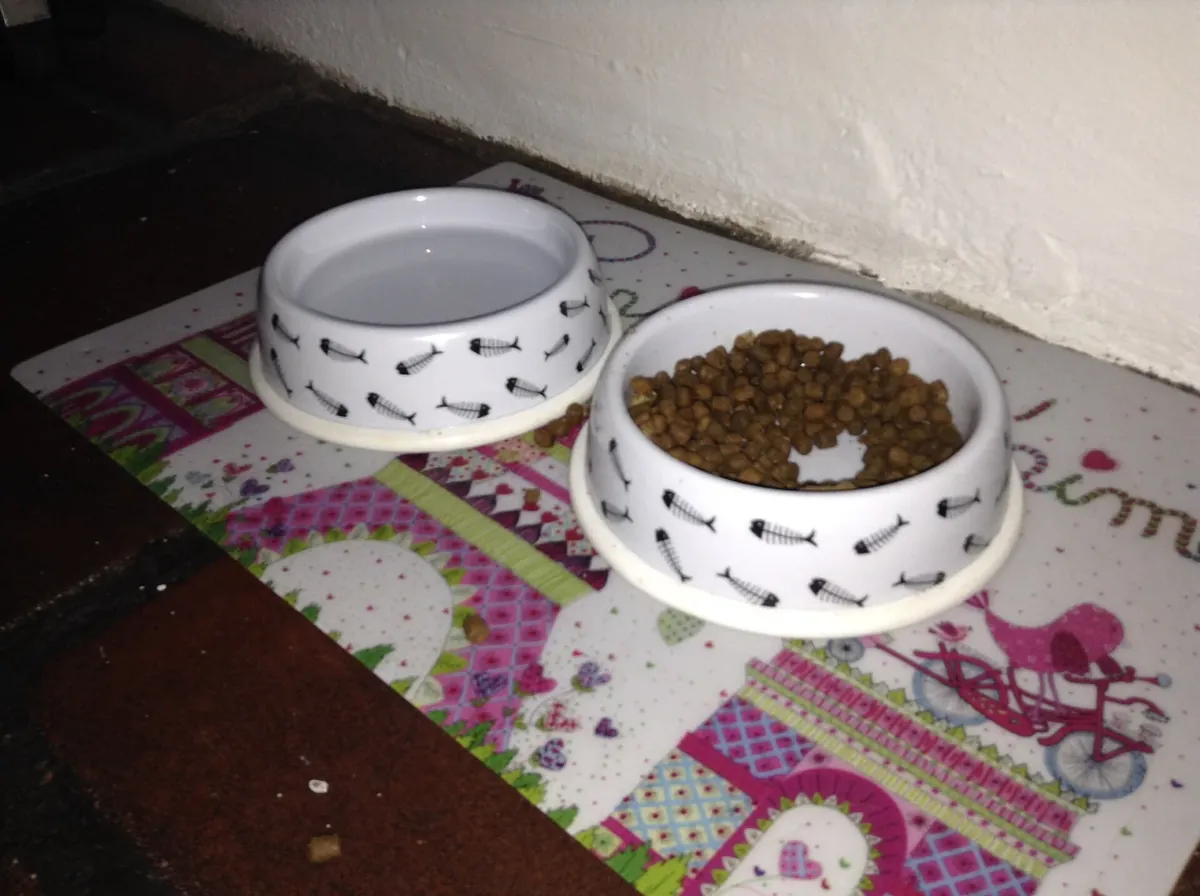
First-Time Cat Owner Checklist: What to Prepare Before Adoption
A calm, practical checklist for new cat owners covering supplies, rooms, routines, vet prep, and the first week.
Tool
Create a simple monthly estimate for food, litter, preventive care, grooming, and savings.
A monthly figure is really four or five smaller budgets stacked together. Food is the one people estimate most confidently and most wrongly, because the same cat costs very different amounts on dry, semi-moist and canned food. Cornell Feline Health Center puts dry food at six to ten percent water, semi-moist at roughly 35 percent, and canned food at 75 percent water or more — and canned is the most expensive of the three, while dry is the cheapest and the only one that can be left out for free-choice feeding.
| Line | What moves it up or down | Why it drifts |
|---|---|---|
| Food | Wet vs dry vs mixed; body weight; life stage | Kitten and senior formulas are priced differently from adult maintenance |
| Litter | Number of trays, number of cats, scooping cadence | At least one box per cat, cleaned daily, is the baseline the OSU checklist sets — so a second cat doubles this line |
| Routine vet care | Age, lifestyle, local clinic pricing | Checks get more frequent from the mature stage onward |
| Prevention | Flea/tick and parasite cover, dental chews or brushing | Weighted by whether your cat goes outside |
| One-off buffer | Insurance excess, emergency fund | Dental work and urinary episodes are the classic unplanned bills |
Two habits keep the estimate honest. First, weigh or measure food rather than topping up a bowl, because the body condition scale vets use is a nine-point chart where five is ideal — guessing at portions is how cats drift away from it. Second, treat the buffer as a real line item rather than a rounding error; the first-time owner checklist covers what belongs in the starter kit, and cat-proofing covers the household changes that prevent some of the avoidable bills.
Sources: Feeding Your Cat (water content by food type, body condition scoring) and Basic Indoor Cat Needs (one litter box per cat, cleaned daily).
Use the result as a starting point for observation and planning. Cats vary by age, body condition, temperament, medical history, and household setup.
A calm, practical checklist for new cat owners covering supplies, rooms, routines, vet prep, and the first week.
A room-by-room cat-proofing guide for cords, plants, small objects, windows, cleaners, food hazards, and hiding spots.
Understand routine veterinary care, adoption exams, records, vaccine conversations, and signs that should not wait.