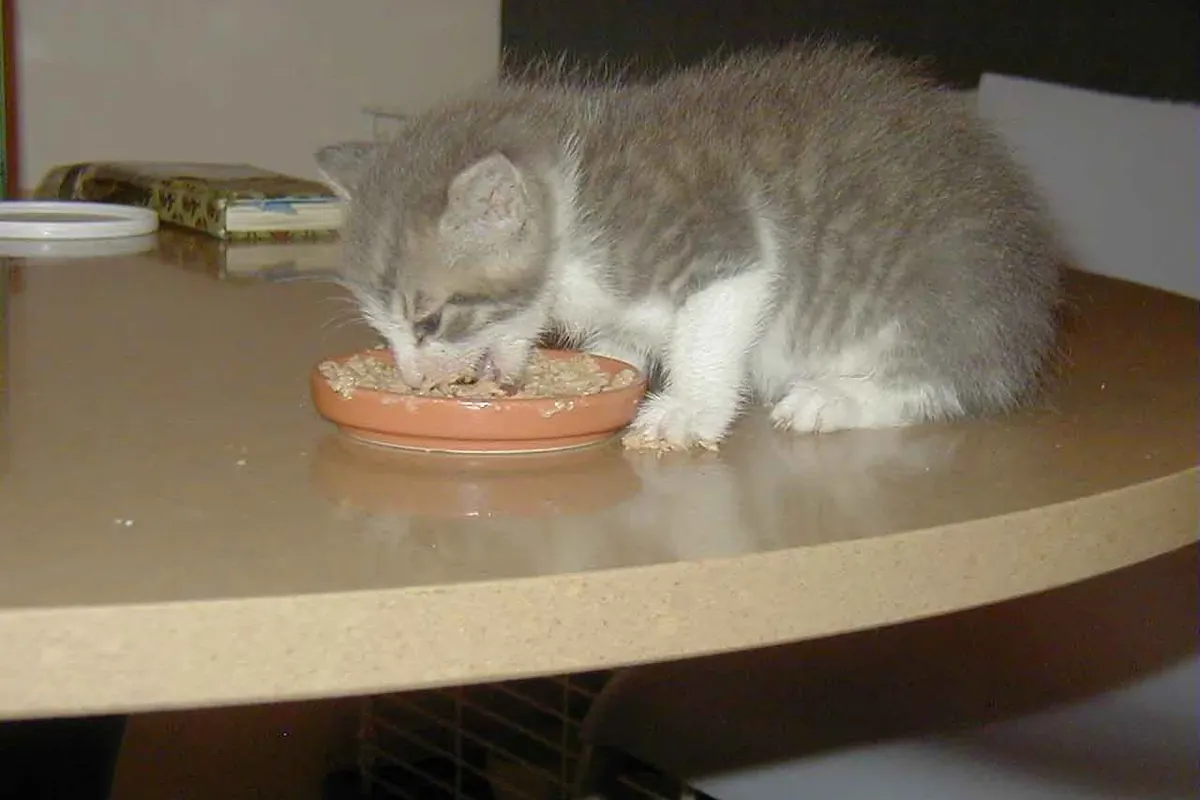
What to Feed a Cat: A Beginner's Guide to Meals, Water, and Treats
A beginner-friendly overview of complete cat food, wet versus dry food, treats, water placement, and food changes.
Tag
Articles and resources connected to feeding.
Feeding decisions sit on one biological fact: cats are obligate carnivores, so the diet has to be built from animal tissue rather than adapted from a plant-based plan. Cornell's feeding guidance is the reference worth reading end to end — it covers what a complete diet looks like, why the AAFCO nutritional adequacy statement on the label matters more than the marketing on the front of the pack, and how much of a cat's daily calories treats should be allowed to occupy.
Water is the part owners most often miss. Cats have a low thirst drive by design, and an exclusively dry diet leaves them relying on drinking more than their instincts encourage; wet food, or water added to meals, is a straightforward way to raise intake. More than one water station, kept away from food and litter, also helps.
Two habits make the whole thing safer. Measure meals rather than topping up a bowl, so a drop in appetite shows up within a day; and transition any food change slowly across a week or more instead of switching overnight. A cat that refuses food entirely is not a wait-and-see case — Cornell notes that sustained appetite loss can affect a mature cat's health within about 24 hours, and far faster in very young kittens. Start with the beginner feeding guide, the food transition plan, and the feeding estimator.
Sources: Cornell Feline Health Center — Feeding Your Cat, ASPCA — Cat Nutrition Tips.
A beginner-friendly overview of complete cat food, wet versus dry food, treats, water placement, and food changes.
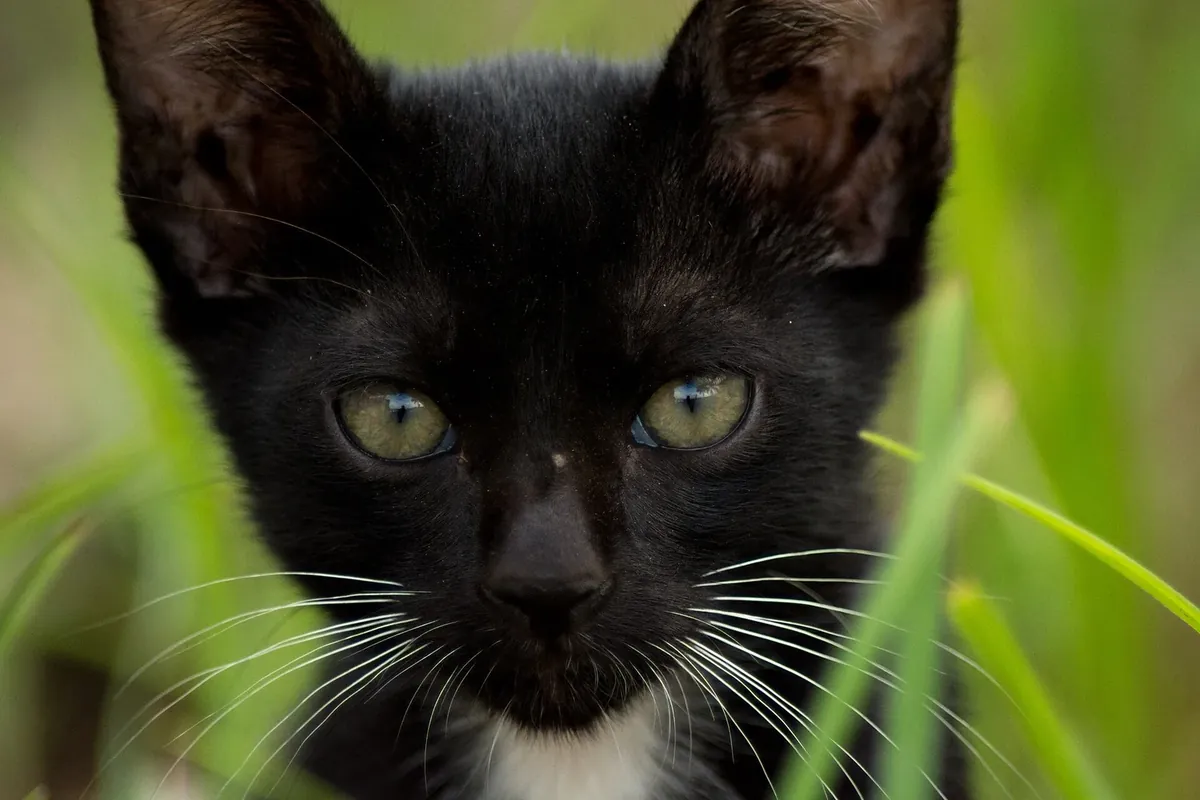
A first-year kitten guide covering safe rooms, food, litter, play, handling, vet visits, and healthy routines.
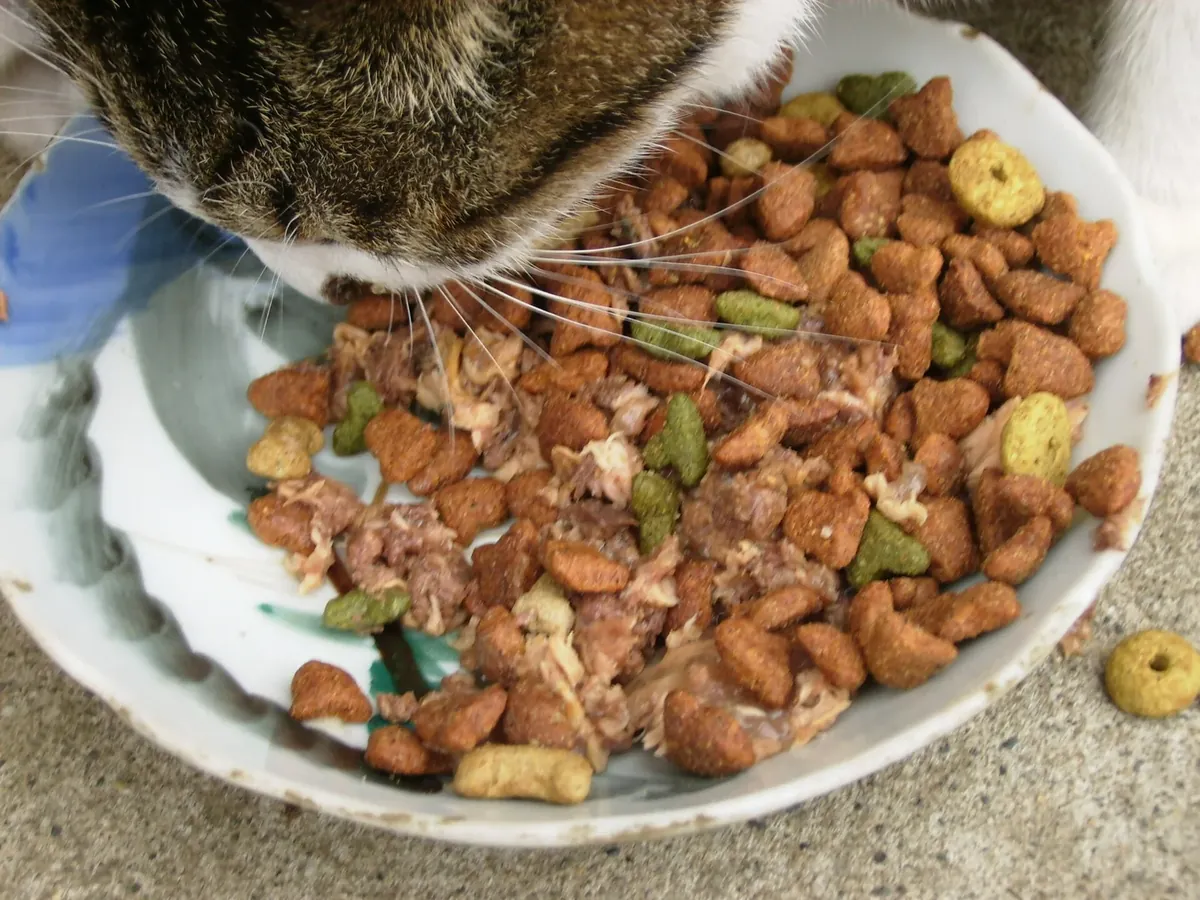
A gradual cat food transition plan with practical pacing, appetite checks, and what to do if your cat refuses the new food.
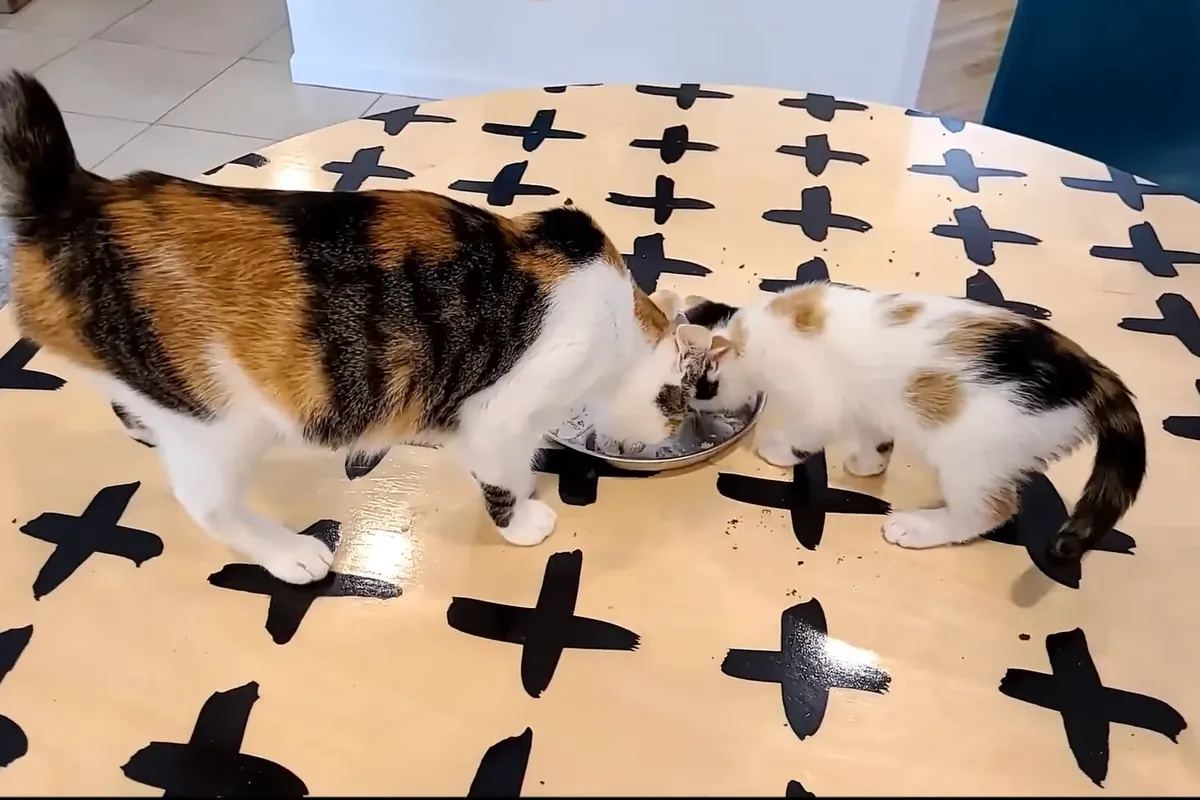
Plan calmer multi-cat meals with separated stations, measured portions, observation, and individual needs.
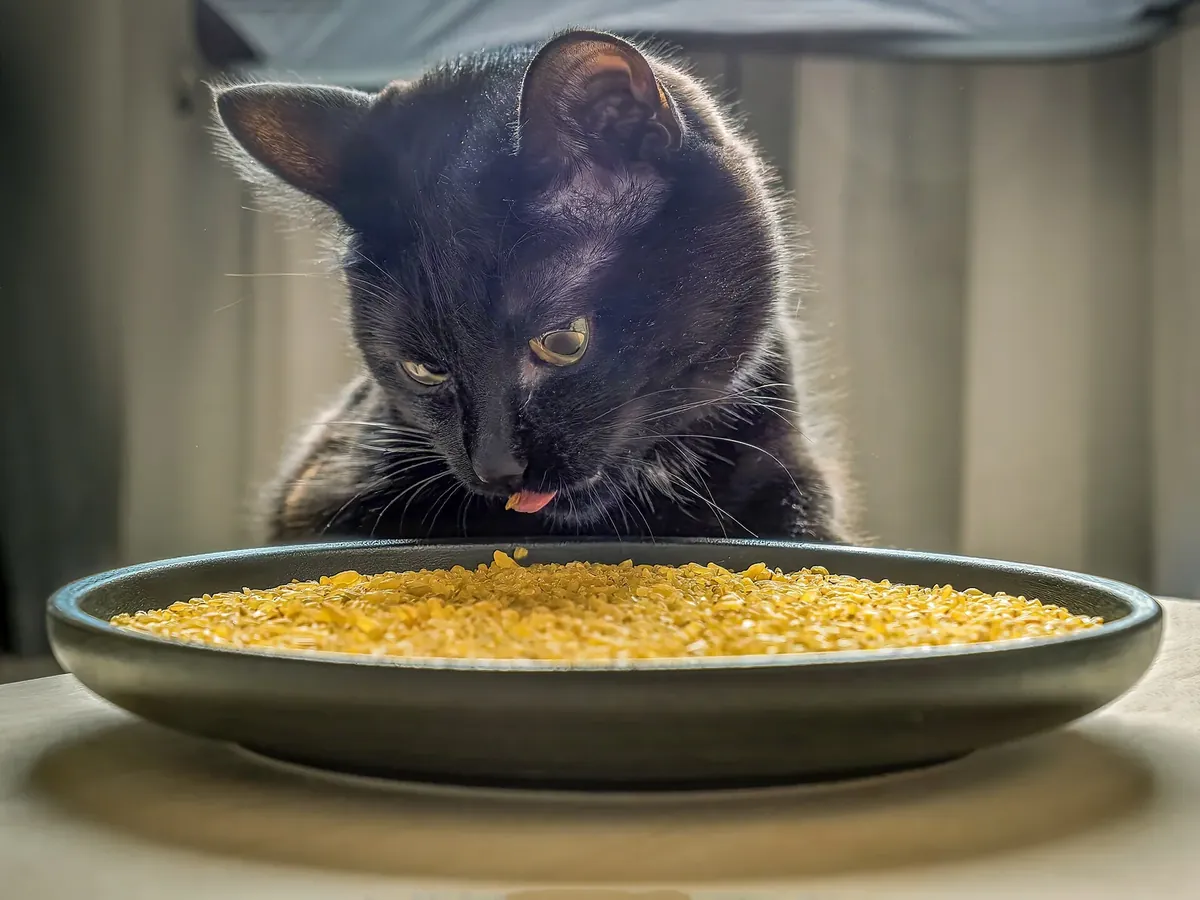
A calm appetite checklist for cats who skip food, including food changes, stress, nausea signs, and urgent veterinary boundaries.