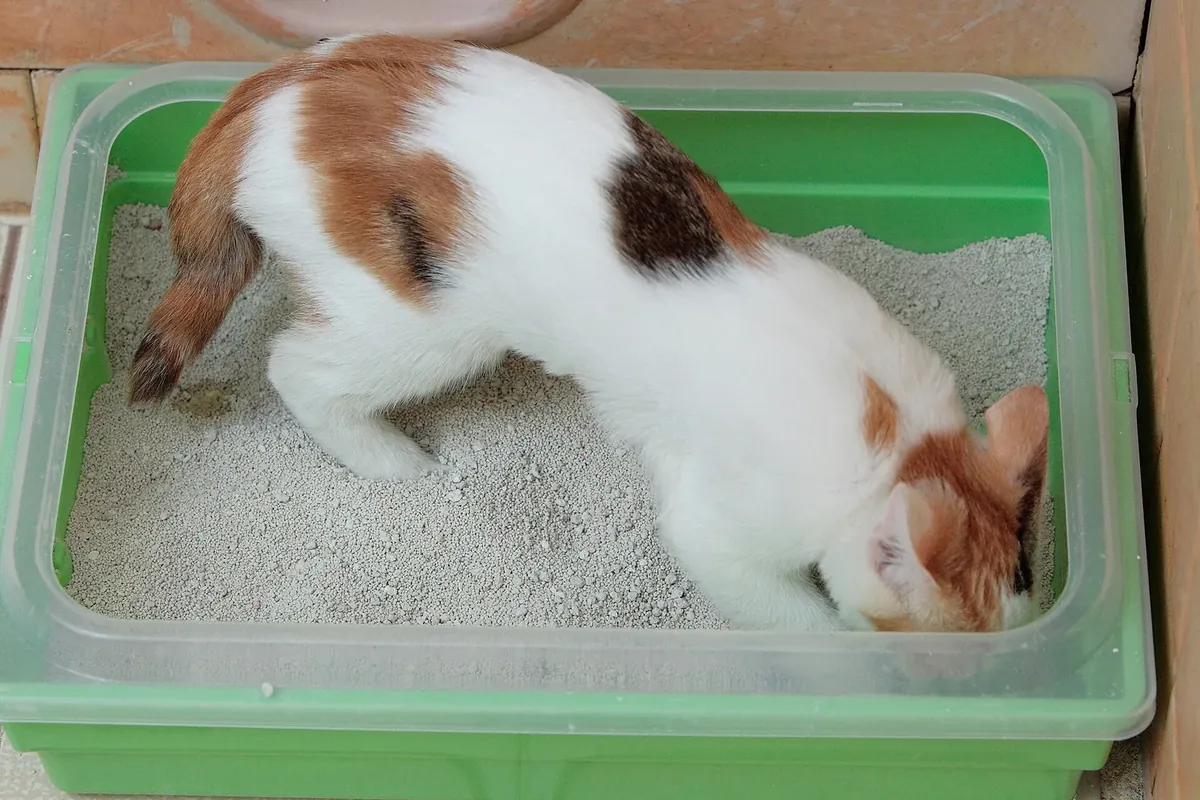
Litter Box Setup 101: Boxes, Litter, Placement, and Cleaning
Set up a litter box system cats are more likely to use: right size, right location, enough boxes, and simple cleaning habits.
Tag
Articles and resources connected to litter box.
Tray logistics are arithmetic before they are preference. The working rule is one tray per cat plus one extra, each big enough for the cat to turn around in — roughly one and a half times body length — filled to about 3-5 cm with a fine, unscented, clumping litter, and placed in separate spots rather than lined up in a row. Two trays side by side behave like one tray in a house where a cat is guarding or lurking.
Scooping is the maintenance job that decides whether the tray stays acceptable: at least once a day, with a full litter change and a wash when the tray starts to hold odour. Liners, deodorising powders and hoods all reduce usability for many cats, and a covered tray concentrates smell exactly where the cat has to stand.
When a cat stops using the tray, that is information. International Cat Care is direct about it: soiling indoors is a sign that something is wrong — illness or stress — and punishment makes it worse, because it adds fear to a problem that already has a cause. It is worth checking the medical side with a veterinary team rather than experimenting with deterrents. Practical next steps: litter box setup 101, the cleaning routine, and the litter box planner for multi-cat maths.
Sources: International Cat Care — Choosing a litter tray for your cat, International Cat Care — Soiling indoors.
Set up a litter box system cats are more likely to use: right size, right location, enough boxes, and simple cleaning habits.
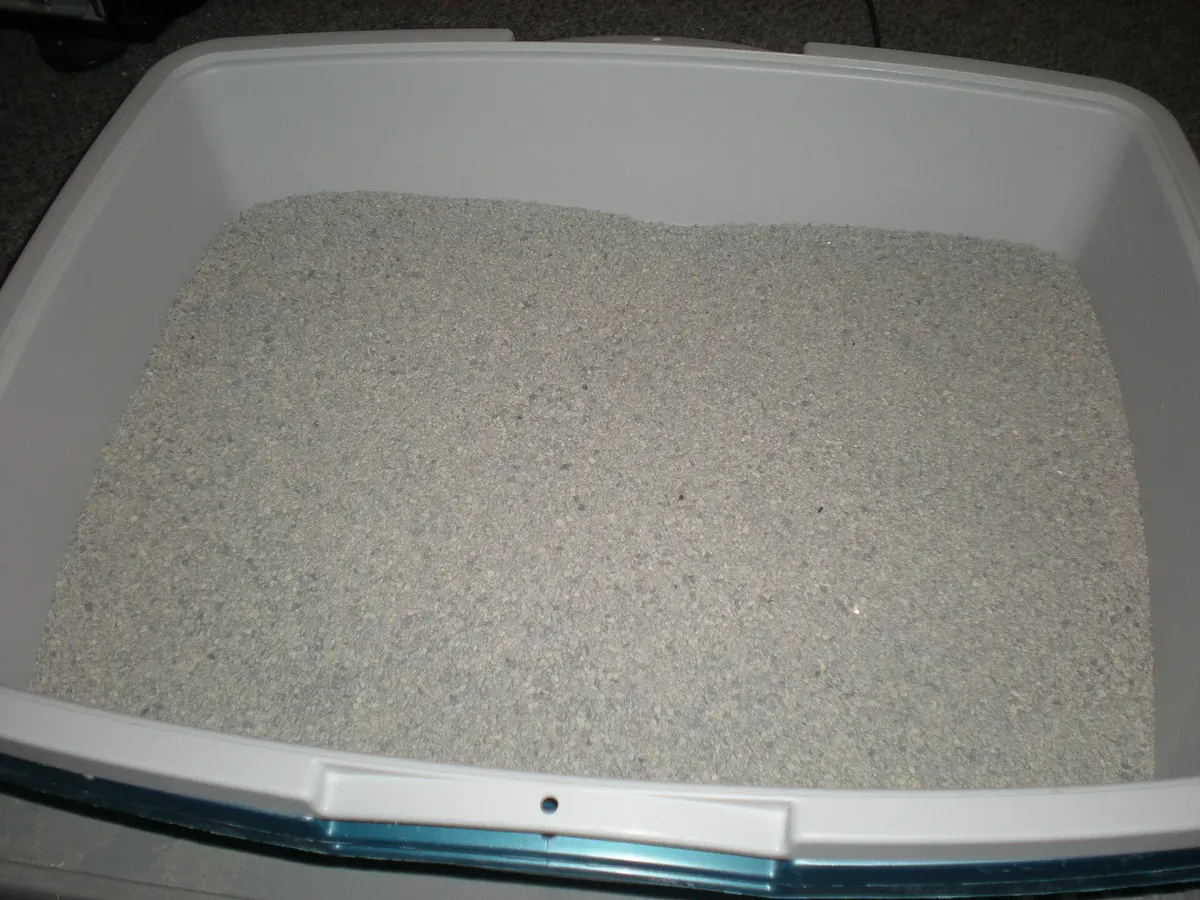
Build a litter box cleaning rhythm that controls odor, supports litter box use, and avoids harsh scents cats dislike.
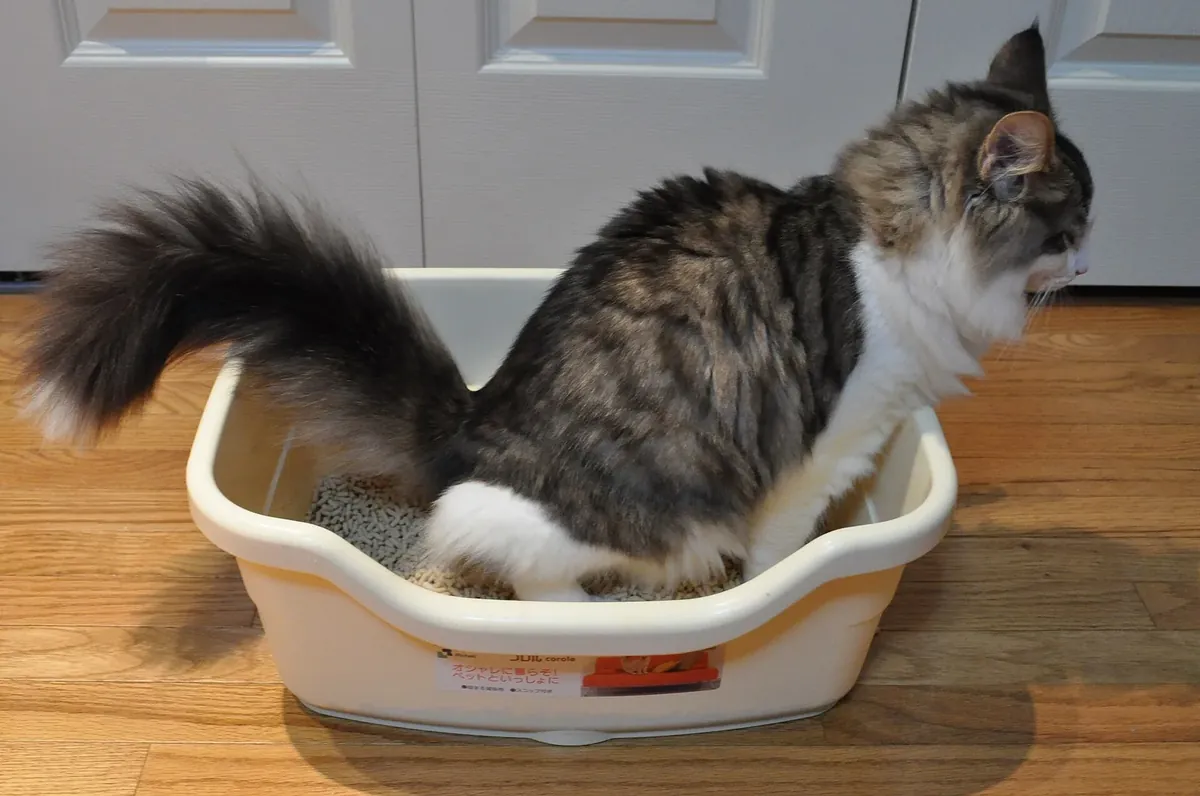
A cautious guide to litter box accidents, including urgent urinary red flags, setup checks, cleaning, and stress factors.