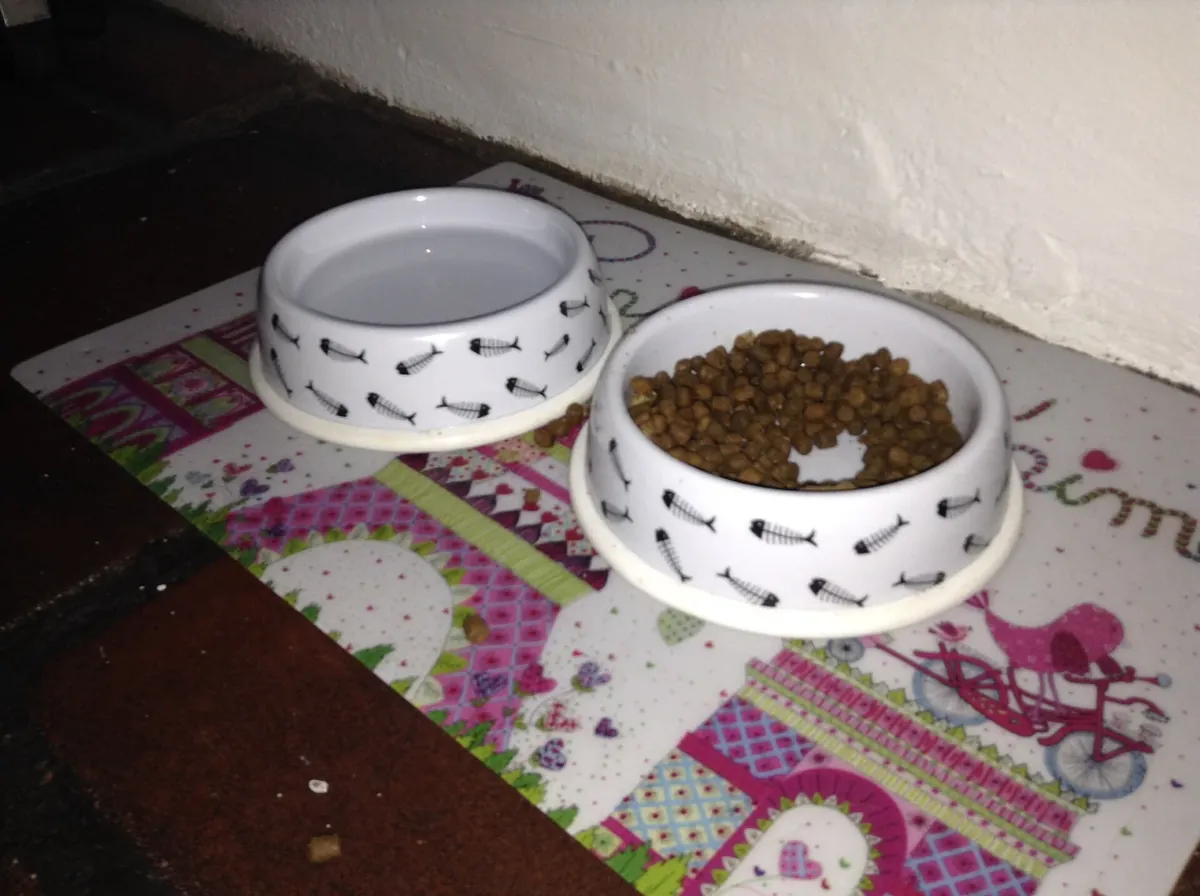
First-Time Cat Owner Checklist: What to Prepare Before Adoption
A calm, practical checklist for new cat owners covering supplies, rooms, routines, vet prep, and the first week.
Tag
Articles and resources connected to safety.
Most household safety work is deciding what a cat can reach, and then either moving it or covering it. Plants come first, because they are the risk people most often underestimate: the ASPCA's plant database lists species reported to cause systemic effects or intense gastrointestinal upset in animals, publishes a cat-specific list alongside it, and warns that eating any plant material can cause vomiting and digestive upset. Checking a plant by its botanical name — not by what the label in the shop called it — is the only reliable test.
Beyond plants, the recurring hazards are the obvious ones people stop noticing: looped cords and blind pulls, thread and hair ties, sewing needles, open upper-floor windows without a secured screen, hot hobs, and the inside of a tumble dryer or washing machine. String-like objects are a particular problem because they can bunch in the gut rather than pass, and a cat that has swallowed thread needs a veterinary assessment rather than observation.
Keep the emergency information somewhere you will find it at 2am: your veterinary clinic's number, the nearest out-of-hours service, and the ASPCA's 24-hour poison hotline at (888) 426-4435, printed rather than only saved to a phone. Then the practical layers: cat-proofing the home, what to check when a cat stops eating, and the symptom checklist for the "call now or wait" question.
Sources: ASPCA — Poisonous Plants (toxic and non-toxic plant list), Cornell Feline Health Center — Anorexia.
A calm, practical checklist for new cat owners covering supplies, rooms, routines, vet prep, and the first week.

Create a cat-friendly home with separated resources, vertical space, scratching options, quiet retreats, and predictable routines.
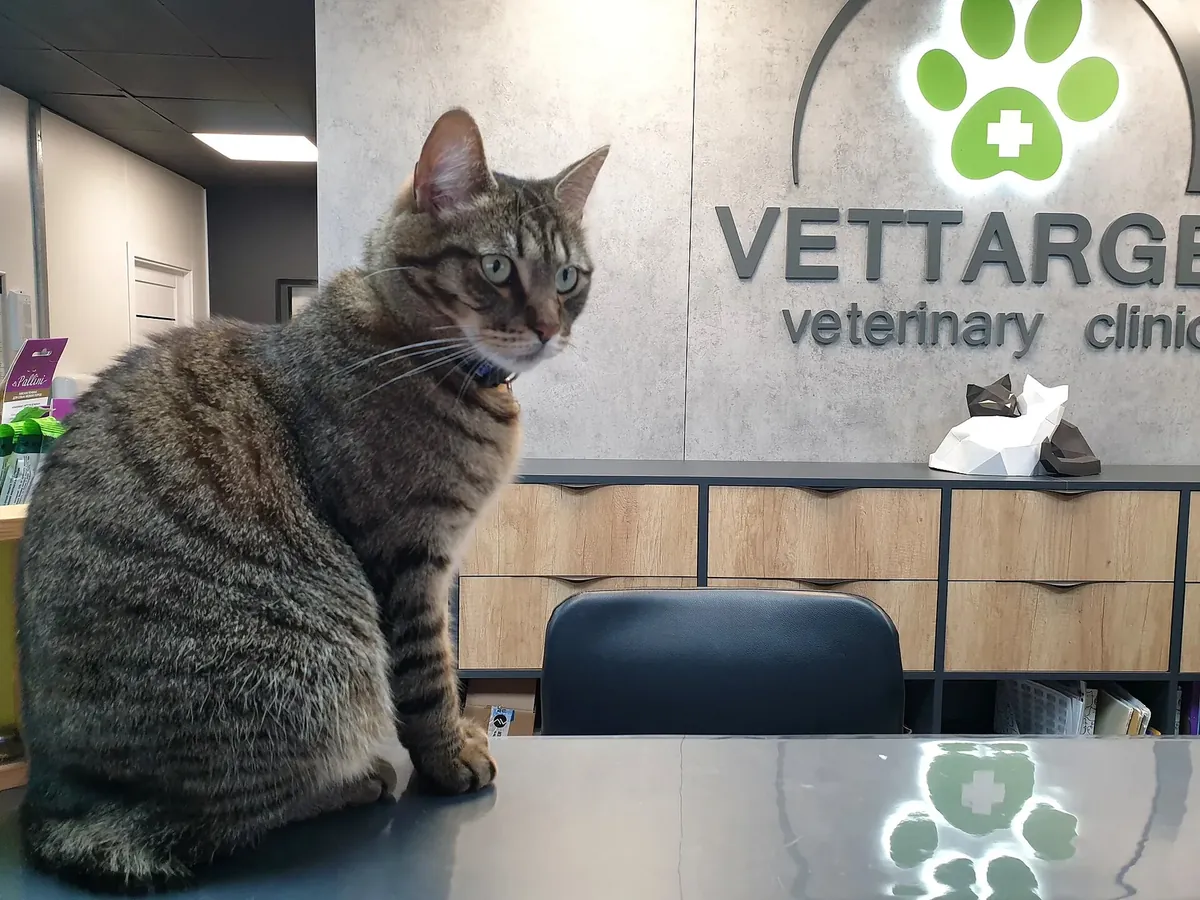
Understand routine veterinary care, adoption exams, records, vaccine conversations, and signs that should not wait.
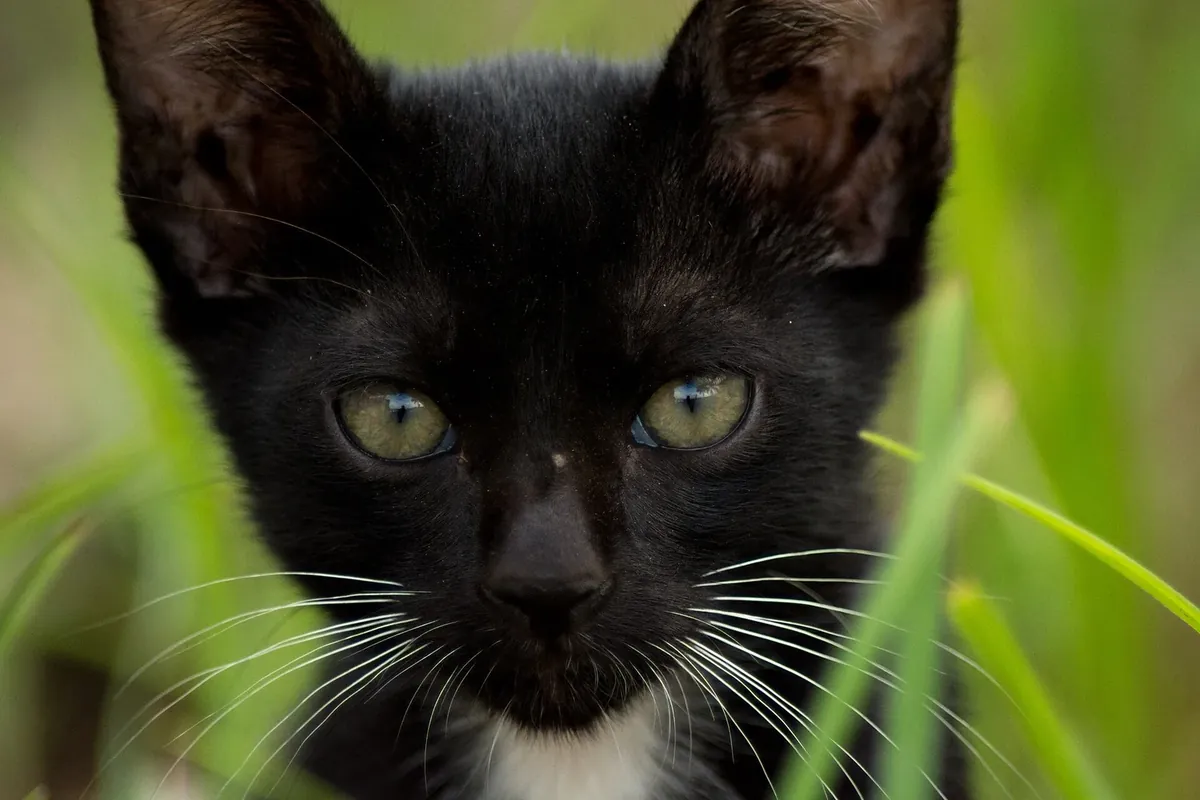
A first-year kitten guide covering safe rooms, food, litter, play, handling, vet visits, and healthy routines.
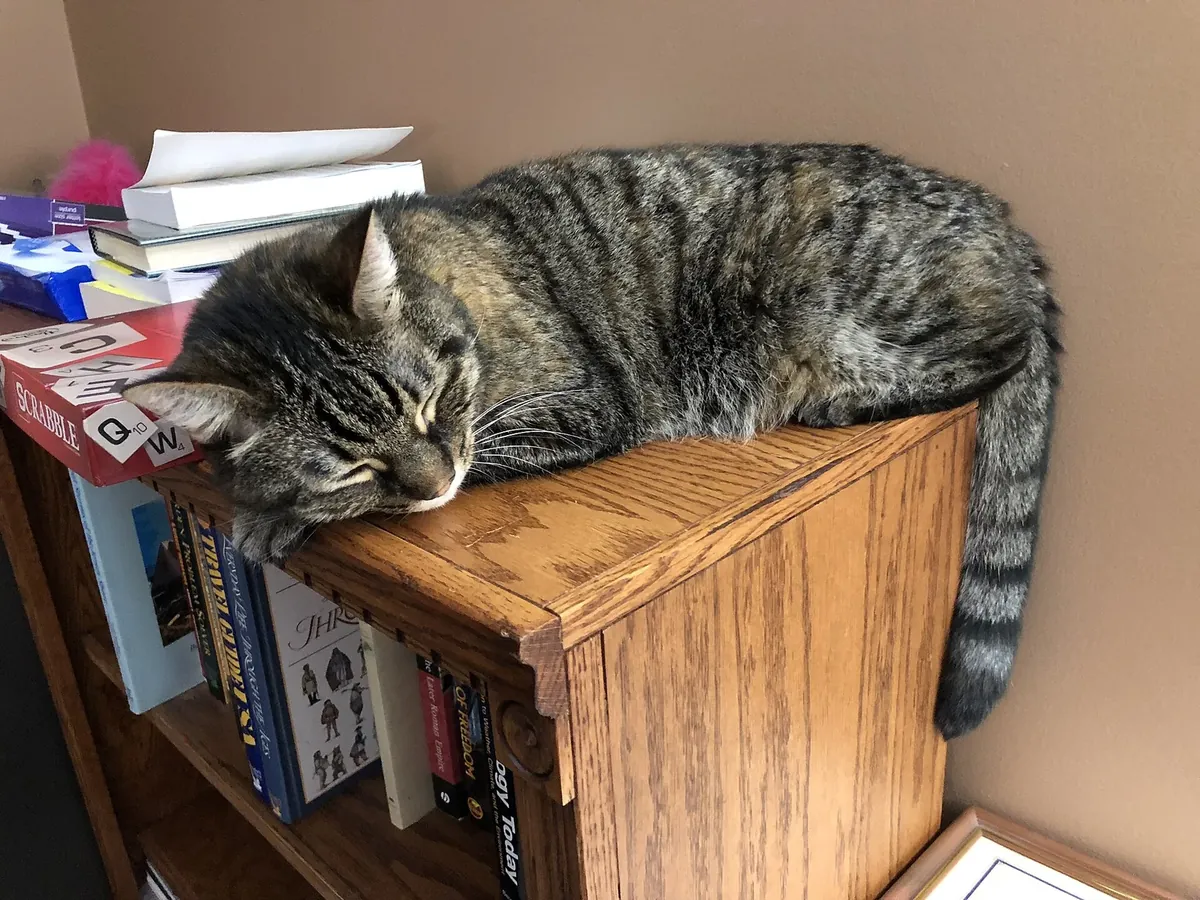
A room-by-room cat-proofing guide for cords, plants, small objects, windows, cleaners, food hazards, and hiding spots.