Challenge
7-Day Enrichment Reset
One tiny daily change: scratch, climb, stalk, puzzle, hide, watch, rest.
Use daily ideasTry one habit
Short, share-friendly cat-care challenges designed to help readers try one useful habit at a time.
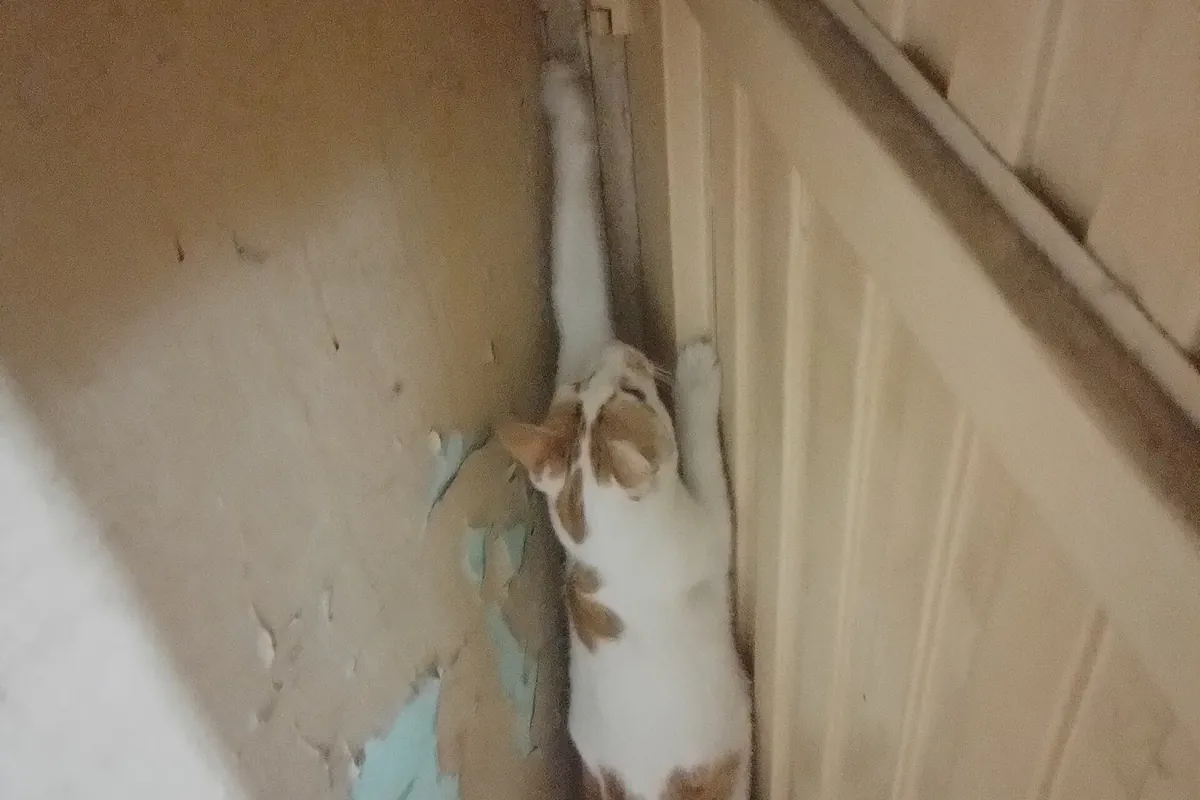
Challenge
One tiny daily change: scratch, climb, stalk, puzzle, hide, watch, rest.
Use daily ideasChallenge
For shy cats: predictable visits, safe hiding, no reaching, and reward-based invitations.
Use daily ideasChallenge
A seven-point check of box size, count, location, litter depth, cleanliness, noise, and access.
Use daily ideasChallenge
Leave the carrier out and make it ordinary before the next vet visit.
Use daily ideasChallenge
Remove toy clutter, rotate textures, and learn what your cat actually chooses.
Use daily ideasA challenge gives readers a small action to try, a clear reason to return, and a natural update to share later. Keep it gentle: one change, one observation, one useful next step.
Every challenge on this page uses the same three-part loop: change one thing, keep the rest of the routine identical, and write down what the cat did. That is why they are small. A challenge that changes five things at once cannot tell you which change helped, and a challenge you cannot observe is just a chore.
| Challenge | What it is aimed at | Daily time | You will know it worked when… |
|---|---|---|---|
| 7-Day Enrichment Reset | Boredom-driven behaviour: night waking, over-grooming, furniture scratching | 10–15 min, twice a day | Your cat waits at the play spot, and the evening burst of energy has somewhere to go |
| Quiet Confidence Week | A shy or newly adopted cat that leaves the room when you enter | 3–5 min at the same times daily | The cat stays visible while you are seated, and stops leaving when you stand up |
| Litter Comfort Audit | Avoidance, tracking, or a tray used only when nobody is watching | One 10-minute setup check, then daily scooping | The circling before your cat goes stops, and the tray is used at a predictable time |
| Carrier Peace Project | Vet-visit stress — the carrier appearing only on bad days | 2–3 min, most days | You find the cat asleep in the carrier rather than avoiding the room it is in |
| Toy Rotation Trial | Toy clutter: a basket of toys nobody plays with | 2 min to swap, then play as normal | Two or three specific toys get chosen every time — usually not the ones you would have picked |
Two rules keep a challenge useful. Decide the observation before you start — “does the tray get used while I am in the room” is an observation, “is my cat happier” is not. And keep a challenge non-medical: if the thing you want to fix is appetite, breathing, urination or a sudden behaviour change, go to the symptom checklist instead and treat it as a health question rather than a habit question.
Play-based challenges have a natural finish line. International Cat Care describes the signals of a cat in a playful mood — stalking posture with crouched legs and a lowered head, sudden erratic movement, eyes locked onto an object — and notes that highly motivated cats rarely tire and may tear up their toys. Ending a session while your cat is still interested, on a catch or a treat, is what keeps the next session easy to start. The enrichment planner balances a week across play, climbing, scratching and rest, and the care calendar gives the same idea a seasonal shape.
Sources: Playing with your cat (International Cat Care: playful signals, high- and low-motivation behaviour) and Basic Indoor Cat Needs (OSU Indoor Pet Initiative resource checklist).